Manual Lathe Machine: Precision Manufacturing Equipment for Versatile Machining Operations

Get a Free Quote

Our representative will contact you soon.
Email
Mobile/WhatsApp
Name
Company Name
Message
0/1000

manual lathe machine

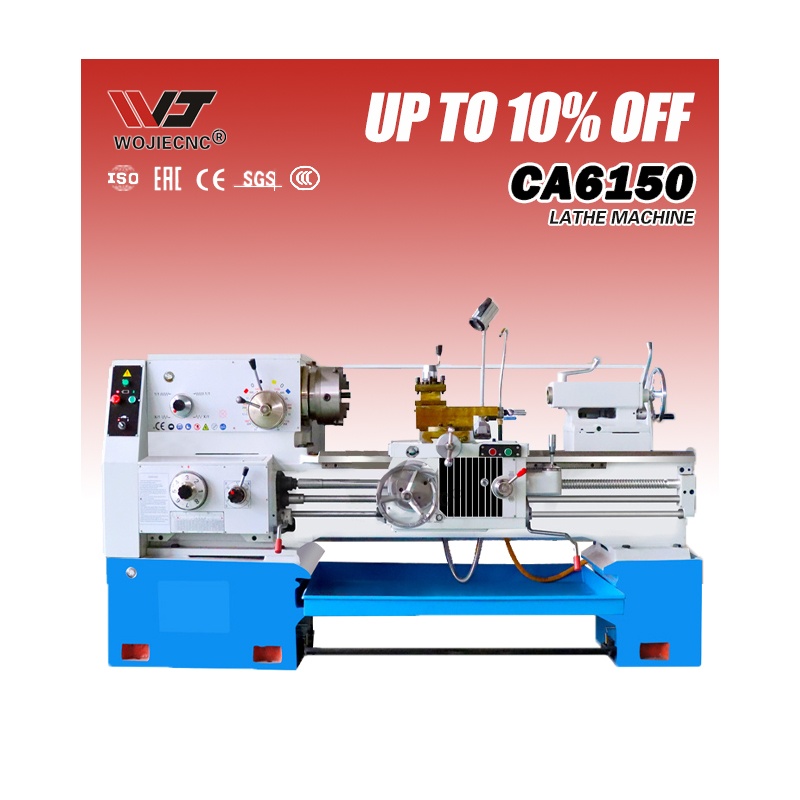
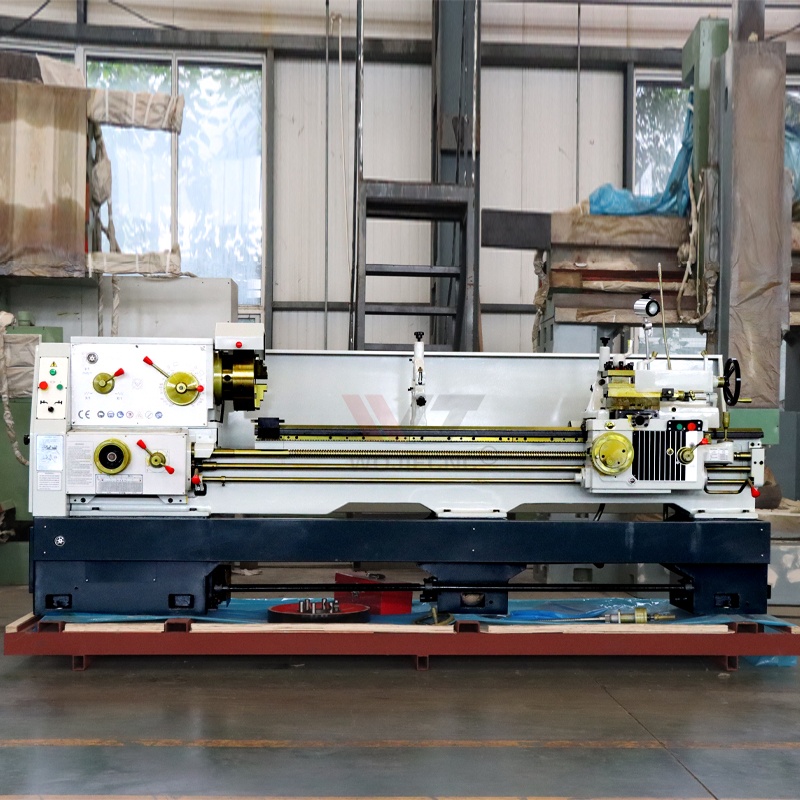
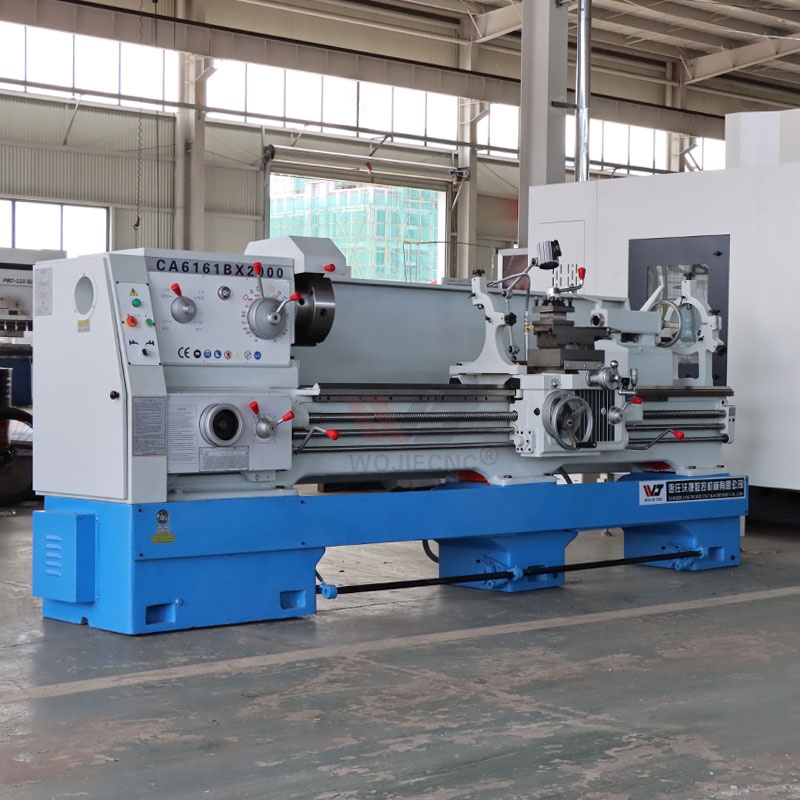
A manual lathe machine represents one of the most fundamental and versatile tools in mechanical manufacturing and machining operations. This precision instrument operates through human control and mechanical systems to shape, cut, and form various materials, primarily metals, into desired specifications. The manual lathe machine functions by rotating the workpiece against cutting tools, allowing operators to create cylindrical objects, threads, tapers, and complex geometrical shapes with remarkable accuracy. The primary functions of a manual lathe machine encompass turning operations, facing, drilling, boring, threading, and knurling. During turning operations, the workpiece rotates while the cutting tool moves parallel to the axis, removing material to achieve the desired diameter. Facing involves cutting perpendicular to the workpiece axis to create flat surfaces. The drilling function enables operators to create holes directly through the center of rotating workpieces, while boring expands existing holes to precise dimensions. Threading capabilities allow the creation of both internal and external threads, essential for fastening applications. Knurling produces textured surfaces for improved grip and aesthetic appeal. Technological features of modern manual lathe machines include robust cast iron construction, precision-ground bed ways, variable speed control systems, and comprehensive tooling capabilities. The headstock contains the main spindle and driving mechanisms, while the tailstock provides support for longer workpieces. The carriage assembly houses the cutting tools and enables precise movement in multiple directions. Most manual lathe machines feature graduated dials and measurement systems that allow operators to achieve tolerances within thousandths of an inch. Applications for manual lathe machines span across numerous industries including automotive manufacturing, aerospace engineering, medical device production, prototype development, and general machining services. These machines excel in producing custom components, repair parts, and small-batch manufacturing where flexibility and precision are paramount.

Popular Products

Manual lathe machines offer exceptional versatility that makes them invaluable assets in manufacturing environments. Operators can quickly switch between different cutting operations without complex programming or setup procedures, enabling rapid adaptation to varying production requirements. This flexibility allows manufacturers to handle diverse projects efficiently, from simple cylindrical parts to complex multi-featured components. The cost-effectiveness of manual lathe machines provides significant advantages for businesses of all sizes. Initial purchase prices remain substantially lower than computer-controlled alternatives, making these machines accessible to smaller workshops and educational institutions. Maintenance costs stay minimal due to straightforward mechanical systems that require basic mechanical knowledge for upkeep. Operational expenses remain low since manual lathe machines consume less electricity and eliminate the need for specialized programming software or advanced technical support. Precision control represents another major advantage of manual lathe machines. Experienced operators develop exceptional tactile feedback and visual assessment skills that enable them to achieve remarkable accuracy levels. This human element allows for real-time adjustments based on material behavior, tool wear, and changing conditions. Skilled machinists can often achieve tolerances that rival computer-controlled machines while maintaining complete control over the manufacturing process. The learning curve for manual lathe machine operation provides valuable educational benefits. Students and new machinists gain fundamental understanding of machining principles, material properties, and tool behavior. This hands-on experience builds essential skills that translate to advanced manufacturing technologies. Educational institutions particularly value manual lathe machines for teaching core machining concepts before introducing automated systems. Durability and longevity make manual lathe machines excellent long-term investments. Simple mechanical construction means fewer components that can fail, resulting in decades of reliable service with proper maintenance. Many workshops operate manual lathe machines that have functioned effectively for thirty or forty years, demonstrating their exceptional build quality and enduring value. Repair capabilities remain straightforward since most components can be rebuilt or replaced using standard mechanical practices. Independence from power outages or computer failures ensures continuous operation even during electrical disruptions, making manual lathe machines reliable for critical production schedules.

Practical Tips

Zaozhuang Wojie CNC Machinery Co., Ltd.: 30+ Years of CNC Mastery, Your Global Trusted Partner

03

Nov

Zaozhuang Wojie CNC Machinery Co., Ltd.: 30+ Years of CNC Mastery, Your Global Trusted Partner

View More
Wojie CNC Shines at International Machine Tool Exhibitions: Forging Global Partnerships with CNC Expertise

30

Oct

Wojie CNC Shines at International Machine Tool Exhibitions: Forging Global Partnerships with CNC Expertise

View More
Wojie CNC Hot-Selling Machines: Full-Scene Precision Machining Solutions for Global Manufacturers

30

Oct

Wojie CNC Hot-Selling Machines: Full-Scene Precision Machining Solutions for Global Manufacturers

View More

Get a Free Quote

Our representative will contact you soon.
Email
Mobile/WhatsApp
Name
Company Name
Message
0/1000

manual lathe machine

Unmatched Operator Control and Precision

Unmatched Operator Control and Precision

The manual lathe machine delivers unparalleled operator control that distinguishes it from automated alternatives in the machining industry. This direct human interface allows skilled machinists to make instantaneous adjustments based on real-time feedback from the cutting process, material behavior, and tool performance. Operators develop an intimate understanding of how different materials respond to various cutting parameters, enabling them to optimize surface finish, dimensional accuracy, and tool life through tactile and auditory feedback that no automated system can replicate. The precision achievable with a manual lathe machine depends entirely on the operator's skill level, but experienced machinists routinely achieve tolerances within 0.001 inches or better. This level of accuracy stems from the direct mechanical connection between the operator's hands and the cutting tools, eliminating the potential errors introduced by electronic interfaces, servo motors, or programming inconsistencies. The manual control system allows for micro-adjustments during the cutting process, enabling operators to compensate for material variations, tool wear, or thermal expansion in real-time. This human element becomes particularly valuable when working with challenging materials, prototype parts, or components requiring exceptional surface finish quality. Furthermore, the learning process associated with manual lathe machine operation develops invaluable skills that enhance overall machining expertise. Operators learn to interpret cutting sounds, feel vibrations that indicate tool problems, and visually assess surface quality throughout the machining process. These skills translate directly to improved performance on any type of machining equipment, making manual lathe machine experience an essential foundation for advanced manufacturing careers. The direct control also enables creative problem-solving approaches that might not be possible with programmed machines, allowing experienced operators to develop innovative techniques for challenging machining operations.
Cost-Effective Manufacturing Solution

Cost-Effective Manufacturing Solution

Manual lathe machines represent an exceptionally cost-effective manufacturing solution that provides outstanding return on investment across multiple financial dimensions. The initial capital expenditure for a quality manual lathe machine remains significantly lower than comparable computer-controlled equipment, making these machines accessible to small businesses, educational institutions, and startup manufacturing operations. This affordability extends beyond the purchase price to encompass reduced facility requirements, as manual lathe machines typically require less floor space and simpler electrical installations compared to their automated counterparts. Operating costs remain minimal throughout the machine's lifespan due to straightforward mechanical systems that consume less electricity and require fewer specialized components. Unlike computer-controlled equipment that demands expensive software licenses, regular updates, and specialized technical support, manual lathe machines operate with basic electrical power and standard cutting tools. Maintenance expenses stay predictably low because most repairs can be performed using conventional mechanical skills and readily available replacement parts. The absence of complex electronic controls, servo motors, and computer systems eliminates the most common and expensive failure points found in modern automated equipment. Training costs also favor manual lathe machines significantly, as operators can develop proficiency through traditional apprenticeship methods or vocational programs without requiring expensive computer programming courses or specialized software training. This accessibility means businesses can train existing employees or hire skilled machinists who can become productive immediately without extensive retraining periods. The longevity of manual lathe machines provides exceptional long-term value, with many machines delivering reliable service for decades with proper maintenance. This durability means the cost per hour of operation decreases substantially over time, making manual lathe machines one of the most economical machining solutions available. Additionally, the resale value of well-maintained manual lathe machines remains strong due to their continued relevance in manufacturing environments worldwide.
Versatile Applications Across Industries

Versatile Applications Across Industries

The versatility of manual lathe machines makes them indispensable tools across an remarkable range of industries and applications, from heavy manufacturing to precision instrument making. In automotive manufacturing, manual lathe machines excel at producing custom components, prototype parts, and specialized repair items that don't justify the setup time required for automated equipment. Engine rebuilding shops rely heavily on manual lathe machines for machining cylinder heads, crankshafts, and connecting rods where each job requires unique specifications and careful attention to detail. The aerospace industry utilizes manual lathe machines for creating critical components that demand exceptional precision and material integrity, particularly in situations where small quantities or prototype development make automated solutions impractical. Medical device manufacturing represents another significant application area where manual lathe machines provide the precision and flexibility needed for producing specialized instruments, implant components, and surgical tools. The ability to work with exotic materials like titanium, medical-grade stainless steel, and specialized polymers makes manual lathe machines valuable assets in this highly regulated industry. Educational institutions worldwide depend on manual lathe machines to teach fundamental machining principles to students in engineering, manufacturing technology, and skilled trades programs. These machines provide hands-on learning experiences that develop essential understanding of material properties, cutting tool geometry, and machining fundamentals that serve as building blocks for advanced manufacturing knowledge. Research and development facilities utilize manual lathe machines for creating prototype components, test specimens, and experimental apparatus where the ability to make quick modifications and iterations proves invaluable. The flexibility to switch between different materials, cutting parameters, and machining strategies without programming delays makes manual lathe machines ideal for research applications. Small job shops and custom manufacturing businesses build their entire operations around manual lathe machines due to their ability to handle diverse customer requirements efficiently. These versatile machines enable small businesses to compete effectively by offering personalized service, quick turnaround times, and the flexibility to take on unique projects that larger automated facilities might reject due to setup complexity or minimum quantity requirements.
Manual Lathe Machine: Precision Manufacturing Equipment for Versatile Machining Operations

Get a Free Quote

Our representative will contact you soon.
Email
Mobile/WhatsApp
Name
Company Name
Message
0/1000
email goToTop