Advanced CNC Mill Turn Center Solutions - Complete Machining Integration for Precision Manufacturing

Get a Free Quote

Our representative will contact you soon.
Email
Mobile/WhatsApp
Name
Company Name
Message
0/1000

cnc mill turn center

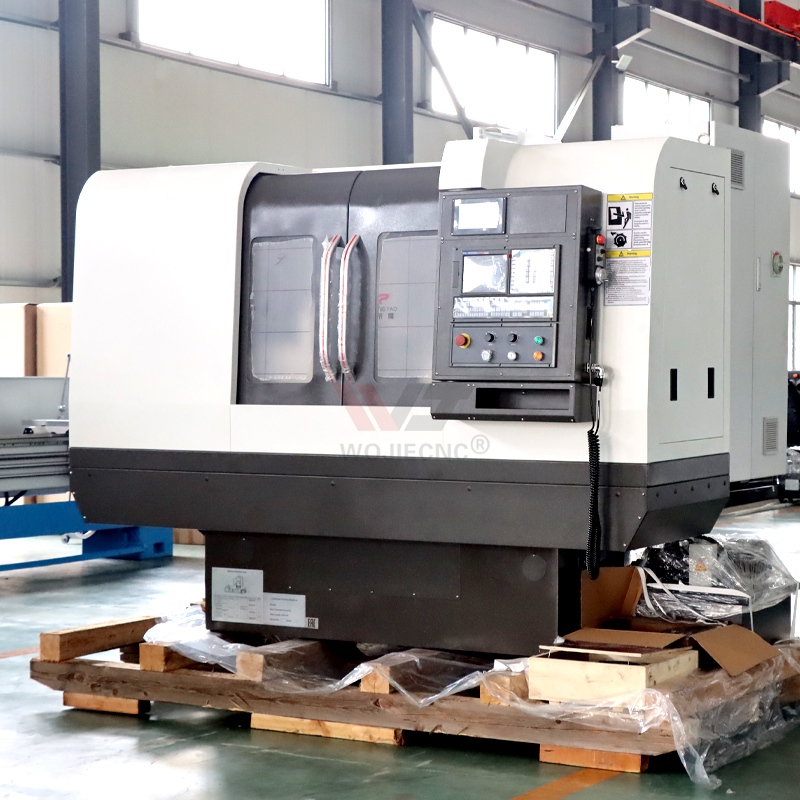
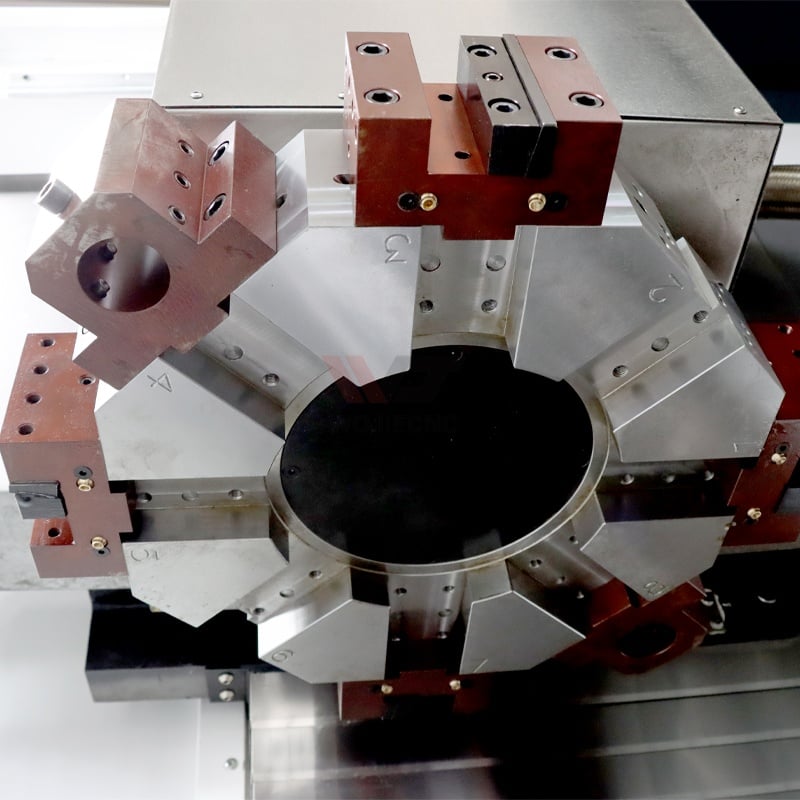
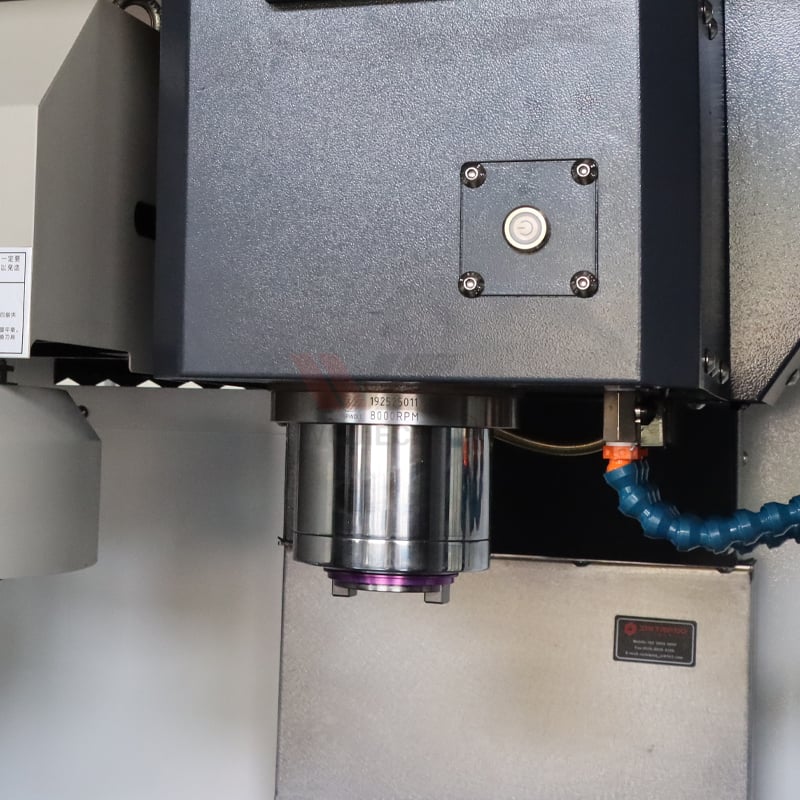
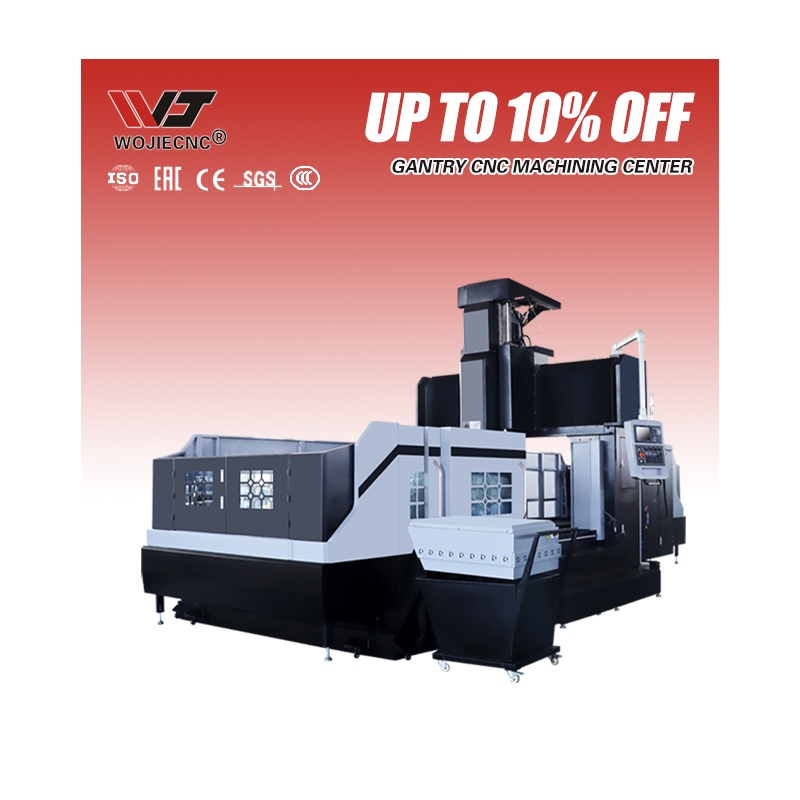
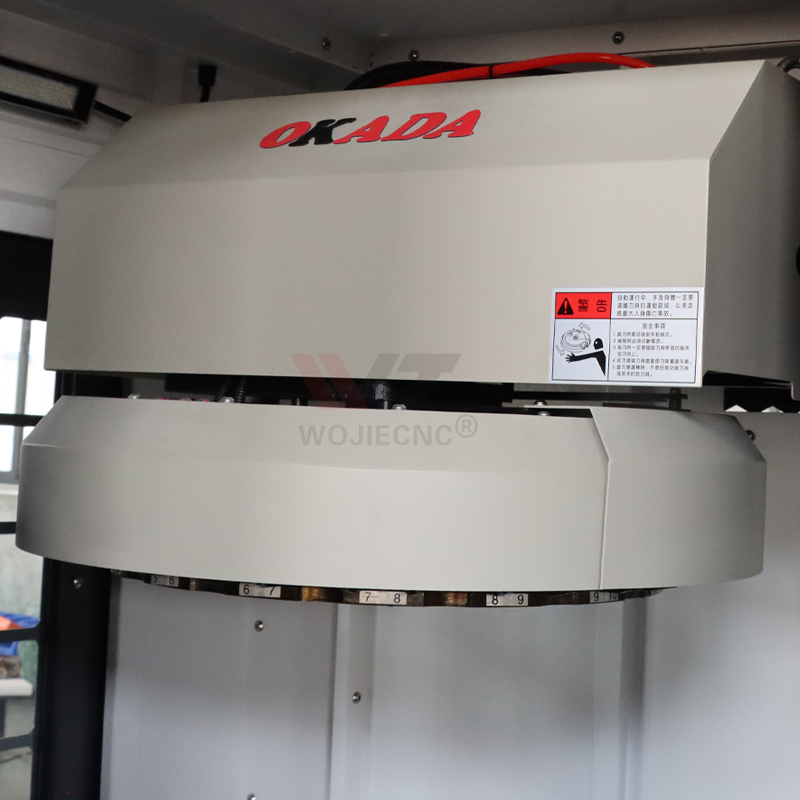
The CNC mill turn center represents a revolutionary advancement in modern manufacturing technology, combining the capabilities of both milling and turning operations within a single, integrated machine platform. This sophisticated manufacturing solution eliminates the need for multiple machine setups by incorporating both rotary cutting tools for milling operations and stationary cutting tools for turning processes. The CNC mill turn center features advanced computer numerical control systems that enable precise automation of complex machining sequences, allowing manufacturers to produce intricate components with exceptional accuracy and repeatability. The machine's dual-spindle configuration typically includes a main spindle for primary turning operations and a sub-spindle for secondary operations, enabling complete part processing without manual intervention. Advanced tool changers accommodate both rotating milling tools and stationary turning tools, providing unprecedented flexibility in machining strategies. The CNC mill turn center incorporates sophisticated workpiece handling systems, including chuck mechanisms and tailstock assemblies, ensuring secure component positioning throughout various machining phases. Live tooling capabilities enable powered cutting operations at multiple angles, expanding the range of possible geometric features that can be machined in a single setup. The machine's rigid construction and precision-engineered components deliver superior surface finishes and dimensional accuracy, meeting the demanding requirements of aerospace, automotive, medical device, and precision engineering industries. Modern CNC mill turn center models feature intuitive programming interfaces and simulation software that streamline operation planning and reduce setup times. The integration of advanced sensors and monitoring systems enables real-time process optimization and predictive maintenance capabilities, maximizing uptime and productivity while minimizing operational costs.

New Product Releases

The CNC mill turn center delivers substantial productivity gains by consolidating multiple machining operations into a single setup, dramatically reducing part handling time and eliminating the accuracy losses typically associated with multiple machine transfers. This integrated approach significantly decreases overall production cycle times, as manufacturers can complete complex components without the delays inherent in moving parts between separate milling and turning machines. The elimination of multiple setups reduces labor requirements, allowing skilled machinists to focus on higher-value activities while the CNC mill turn center operates autonomously for extended periods. Quality improvements represent another major advantage, as maintaining parts in a single fixture throughout the entire machining process preserves critical dimensional relationships and geometric tolerances. The consistent reference points provided by single-setup machining ensure superior accuracy compared to traditional multi-machine approaches, where accumulated tolerances can compromise final part quality. Cost savings emerge from multiple sources, including reduced inventory requirements for work-in-process parts, lower facility space requirements due to machine consolidation, and decreased tooling costs through optimized cutting strategies. The CNC mill turn center enables manufacturers to respond more quickly to changing customer demands and market conditions, as the machine's versatility allows rapid transitions between different part types without extensive reconfiguration. Energy efficiency improvements result from optimized cutting parameters and reduced material handling requirements, contributing to more sustainable manufacturing practices. The advanced automation capabilities minimize human error and ensure consistent quality across production runs, while sophisticated monitoring systems provide early warning of potential issues before they impact production. Training requirements are simplified as operators need to master only one machine platform instead of multiple separate systems, reducing skill development time and improving workforce flexibility. The CNC mill turn center's ability to machine complete parts reduces supply chain complexity and improves delivery schedules, enhancing customer satisfaction and competitive positioning in demanding markets.

Latest News

Zaozhuang Wojie CNC Machinery Co., Ltd.: 30+ Years of CNC Mastery, Your Global Trusted Partner

03

Nov

Zaozhuang Wojie CNC Machinery Co., Ltd.: 30+ Years of CNC Mastery, Your Global Trusted Partner

View More
Wojie CNC Shines at International Machine Tool Exhibitions: Forging Global Partnerships with CNC Expertise

30

Oct

Wojie CNC Shines at International Machine Tool Exhibitions: Forging Global Partnerships with CNC Expertise

View More
Wojie CNC Hot-Selling Machines: Full-Scene Precision Machining Solutions for Global Manufacturers

30

Oct

Wojie CNC Hot-Selling Machines: Full-Scene Precision Machining Solutions for Global Manufacturers

View More

Get a Free Quote

Our representative will contact you soon.
Email
Mobile/WhatsApp
Name
Company Name
Message
0/1000

cnc mill turn center

Complete Part Processing in Single Setup

Complete Part Processing in Single Setup

The CNC mill turn center's most compelling advantage lies in its ability to machine complete parts from raw material to finished components without requiring part transfers between machines. This revolutionary capability transforms traditional manufacturing workflows by eliminating the time-consuming processes of part removal, repositioning, and re-fixturing that characterize conventional multi-machine operations. The single-setup approach begins with the raw material loaded into the main spindle chuck, where initial turning operations establish primary surfaces and dimensional features. Advanced live tooling systems then engage to perform milling operations, creating complex geometric features such as cross holes, flats, keyways, and intricate contours while the part remains securely held in its original position. The sub-spindle capability enables the machine to grip the part from the opposite end, allowing complete machining of both part faces and the creation of features that would otherwise be inaccessible due to chuck interference. This comprehensive processing capability eliminates the accumulation of setup errors that typically occur when parts move between multiple machines, resulting in superior dimensional accuracy and geometric relationships. The time savings are substantial, as manufacturers eliminate not only the physical handling time but also the quality inspection steps required between operations when using separate machines. The reduced handling also minimizes the risk of part damage, contamination, or loss, improving overall yield rates and reducing scrap costs. Programming efficiency improves significantly as engineers can optimize cutting sequences across all operations, taking advantage of the CNC mill turn center's full capabilities to minimize cycle times and maximize tool life. The single-setup approach also enables the machining of features that would be impossible or extremely difficult to achieve using conventional methods, such as intersecting holes at precise angles or complex internal geometries that require coordinated milling and turning operations.
Advanced Multi-Axis Machining Capabilities

Advanced Multi-Axis Machining Capabilities

The CNC mill turn center incorporates sophisticated multi-axis machining capabilities that enable the production of highly complex components with geometric features that challenge conventional manufacturing approaches. The machine's simultaneous multi-axis control allows cutting tools to move along multiple axes concurrently, creating smooth surface finishes and precise angular features that would require multiple setups on traditional machines. The integration of rotary axes with linear positioning enables the machining of helical features, angled holes, and complex three-dimensional surfaces in a single continuous operation. Advanced interpolation algorithms ensure smooth tool paths and optimal cutting conditions throughout complex machining sequences, maintaining consistent surface quality and dimensional accuracy. The CNC mill turn center's ability to orient cutting tools at optimal angles for specific operations maximizes cutting efficiency and extends tool life by maintaining proper chip evacuation and cutting forces. The machine's rigid construction and precision-engineered spindle systems provide the stability necessary for heavy cutting operations while maintaining the accuracy required for finishing processes. Dynamic tool path optimization adjusts cutting parameters in real-time based on material conditions and geometric requirements, ensuring optimal performance across varying part features. The advanced control systems coordinate multiple tool operations simultaneously, enabling efficient rough machining with one tool while performing finishing operations with another, dramatically reducing overall cycle times. Collision detection and avoidance systems protect both the machine and workpiece while enabling aggressive cutting strategies that maximize material removal rates. The multi-axis capabilities extend to measurement and inspection functions, allowing in-process verification of critical dimensions and automatic compensation for tool wear or thermal effects. This comprehensive approach to multi-axis machining enables manufacturers to produce components with complexity levels that previously required expensive specialized equipment or extensive manual operations, making the CNC mill turn center an ideal solution for high-precision applications in aerospace, medical device manufacturing, and advanced automotive components.
Integrated Quality Control and Process Monitoring

Integrated Quality Control and Process Monitoring

The CNC mill turn center incorporates comprehensive quality control and process monitoring systems that ensure consistent part quality while maximizing operational efficiency and machine uptime. Advanced sensor technologies continuously monitor critical machining parameters including cutting forces, vibration levels, spindle loads, and thermal conditions, providing real-time feedback that enables immediate adjustments to maintain optimal cutting conditions. In-process measurement capabilities allow the machine to verify critical dimensions and geometric features without removing parts from their fixtures, ensuring that quality standards are maintained throughout the machining cycle. Sophisticated probing systems can measure complex three-dimensional features and automatically adjust subsequent operations to compensate for any detected variations, maintaining tight tolerances even when processing challenging materials or complex geometries. The integrated quality control systems generate comprehensive documentation for each part produced, creating complete traceability records that meet the stringent requirements of regulated industries such as aerospace and medical device manufacturing. Statistical process control algorithms analyze measurement data trends to identify potential quality issues before they result in defective parts, enabling proactive adjustments that maintain process stability and reduce scrap rates. Tool condition monitoring systems track cutting tool performance and provide early warning of tool wear or damage, allowing for optimal tool replacement timing that minimizes both tool costs and the risk of part damage. The CNC mill turn center's advanced monitoring capabilities extend to predictive maintenance functions, analyzing machine performance data to identify potential maintenance needs before they impact production schedules. Comprehensive alarm and notification systems ensure that operators are immediately informed of any condition requiring attention, while automated responses can implement safe shutdown procedures or process adjustments to protect both the machine and workpiece. The integration of quality control functions directly into the machining process eliminates the need for separate inspection operations for many applications, reducing cycle times and improving workflow efficiency. Remote monitoring capabilities enable supervisors and quality engineers to track production progress and quality metrics from anywhere in the facility or even off-site, improving response times and enabling more effective production management.
Advanced CNC Mill Turn Center Solutions - Complete Machining Integration for Precision Manufacturing

Get a Free Quote

Our representative will contact you soon.
Email
Mobile/WhatsApp
Name
Company Name
Message
0/1000
email goToTop