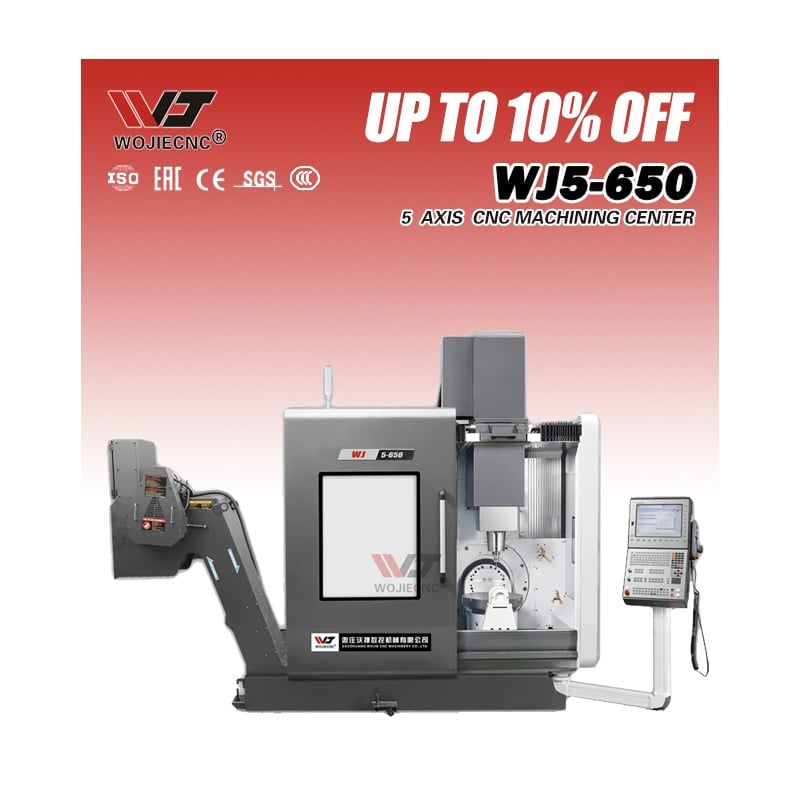
5 axis cnc milling machine
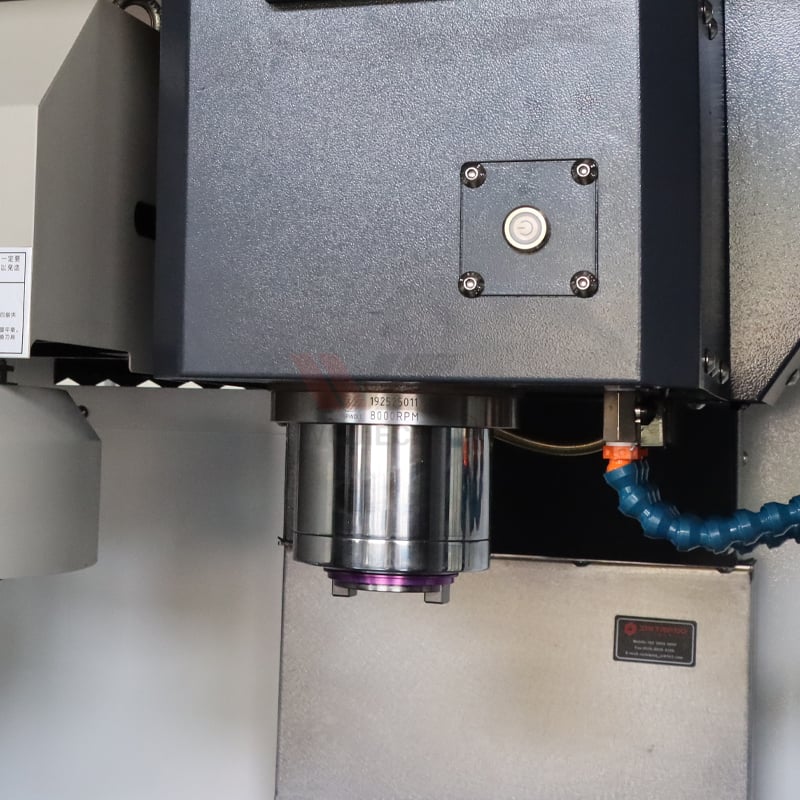
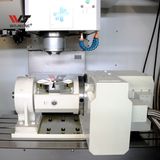
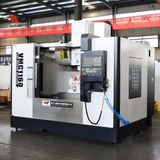
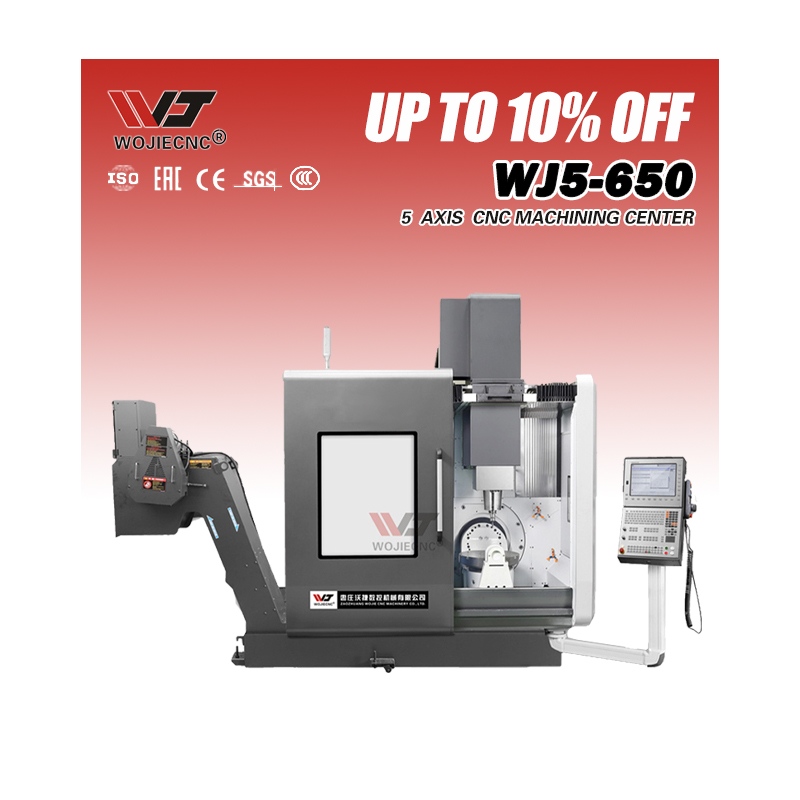
A 5 axis cnc milling machine is an advanced manufacturing system that moves a cutting tool or workpiece along five different axes simultaneously. Unlike traditional 3-axis machines, a 5 axis cnc milling machine can approach a part from virtually any angle in a single setup, eliminating the need for multiple repositioning steps. The five axes typically include the standard X, Y, and Z linear movements combined with two additional rotational axes, commonly referred to as A and B or A and C, depending on the machine configuration. This multi-directional capability allows manufacturers to produce highly complex geometric shapes with exceptional accuracy and surface finish quality. The core technology behind a 5 axis cnc milling machine relies on sophisticated CAM software, precision servo motors, and rigid machine structures engineered to minimize vibration and thermal drift. Modern systems often incorporate real-time tool path compensation, high-speed spindles, and intelligent collision detection to ensure safe and efficient operation. Industries such as aerospace, automotive, medical device manufacturing, mold making, and defense rely heavily on this technology to produce turbine blades, orthopedic implants, complex molds, and structural components. The 5 axis cnc milling machine supports materials including aluminum, titanium, stainless steel, engineering plastics, and composite materials. Whether you are producing low-volume precision prototypes or high-volume production parts, a 5 axis cnc milling machine delivers the speed, flexibility, and accuracy that modern manufacturing demands. It represents a significant leap forward in machining capability and continues to define the standard for precision part production worldwide.

 EN
EN