EN
EN




News
What makes a CNC milling machine reliable for long-term industrial use?
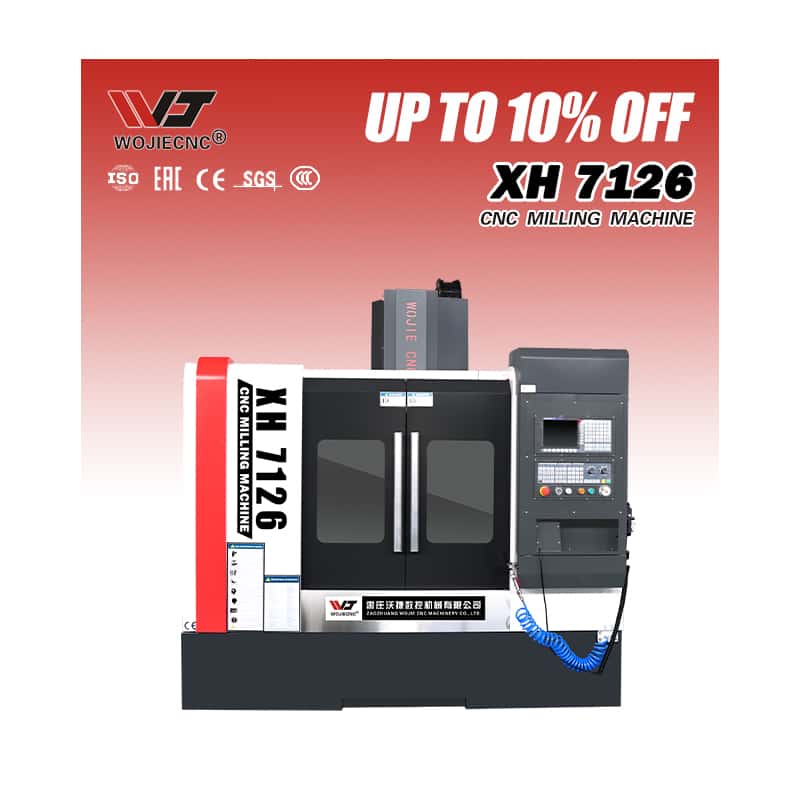
Industrial manufacturing demands equipment that can withstand continuous operation while maintaining precision and efficiency. A reliable CNC milling machine forms the backbone of modern production facilities, where downtime translates directly to lost revenue and missed deadlines. Understanding what separates a robust industrial CNC milling machine from inferior alternatives requires examining critical design elements, construction quality, and operational capabilities that ensure consistent performance over years of demanding use.
The foundation of any dependable CNC milling machine lies in its structural integrity and component selection. Premium machines incorporate heavy-duty cast iron or steel construction that provides exceptional vibration dampening and thermal stability. These materials resist warping under thermal cycling and maintain dimensional accuracy throughout extended machining cycles. Quality manufacturers invest heavily in stress-relieving processes and precision machining of critical structural components to eliminate internal tensions that could compromise long-term performance.
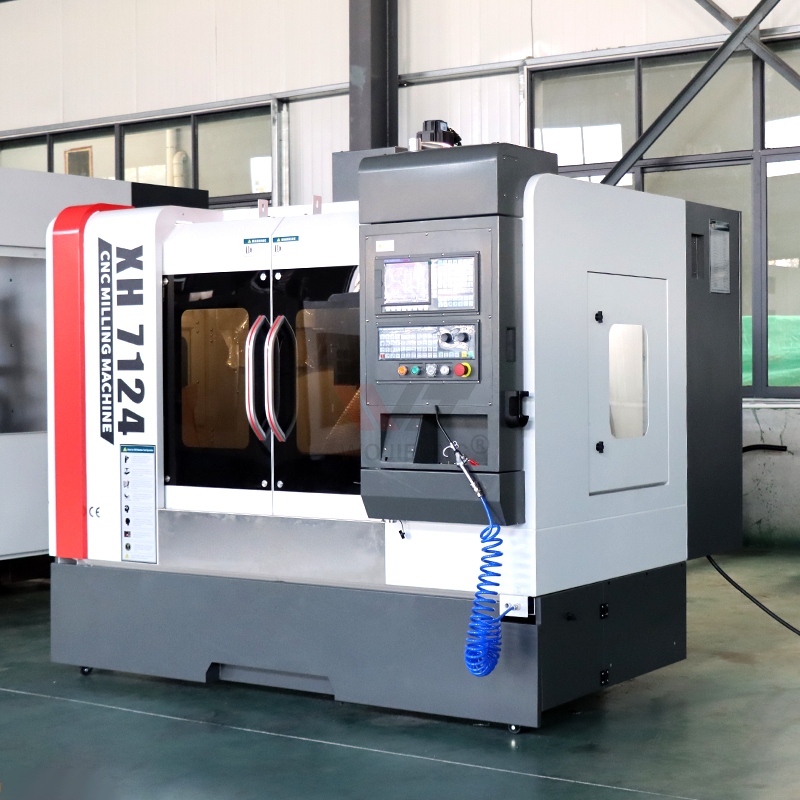
Structural Design Excellence in Industrial CNC Systems
Heavy-Duty Frame Construction
The machine frame represents the most critical component determining long-term reliability in any CNC milling machine. Industrial-grade frames utilize high-quality cast iron or fabricated steel construction with substantial cross-sectional areas to resist deflection under cutting forces. Proper ribbing and internal structure distribution ensures optimal stiffness-to-weight ratios while minimizing resonant frequencies that could affect surface finish quality. Advanced manufacturers employ finite element analysis to optimize frame geometry for maximum rigidity and thermal stability.
Thermal compensation systems integrated into premium CNC milling machine designs actively monitor temperature variations and adjust positioning accordingly. These systems typically incorporate multiple temperature sensors throughout the machine structure, feeding data to sophisticated algorithms that predict and compensate for thermal growth. Such technology proves essential in maintaining tight tolerances during extended production runs where ambient temperature fluctuations could otherwise compromise part accuracy.
Linear Motion System Durability
Linear guides and ballscrews represent critical wear components in any CNC milling machine, directly impacting positioning accuracy and repeatability over time. High-quality systems employ hardened and ground linear guides with advanced sealing systems to prevent contamination while ensuring smooth motion throughout the machine's service life. Premium ballscrews feature precision grinding, optimal lead angles, and sophisticated preloading mechanisms that maintain backlash-free operation despite wear.
Lubrication systems play a vital role in extending component life within industrial CNC milling machine applications. Centralized lubrication systems automatically deliver precise amounts of lubricant to all critical wear points on scheduled intervals. These systems incorporate filtration, monitoring, and alarm functions to ensure consistent lubrication quality while alerting operators to potential maintenance requirements before component damage occurs.
Spindle Technology and Power Systems
High-Performance Spindle Design
The spindle assembly represents the heart of any CNC milling machine, converting rotational power into precise cutting action while maintaining concentricity and balance throughout demanding machining operations. Industrial-grade spindles incorporate precision angular contact bearings arranged in optimized configurations to handle both radial and axial loads encountered during heavy cutting operations. Advanced bearing preloading systems maintain optimal clearances while minimizing heat generation and extending bearing life.
Spindle cooling systems prove essential for maintaining consistency in precision CNC milling machine operations. Liquid cooling circuits maintain stable spindle temperatures despite varying cutting loads, preventing thermal expansion that could affect tool positioning accuracy. Sophisticated temperature monitoring and control systems maintain optimal operating temperatures while protecting against overheating conditions that could damage critical components.
Electrical Power and Drive Systems
Reliable electrical systems form the nervous system of modern CNC milling machine installations, requiring robust components capable of handling frequent start-stop cycles and varying load conditions. Industrial-grade servo motors incorporate advanced permanent magnet technology and precision encoders that provide exceptional positioning accuracy and repeatability. These motors feature enhanced heat dissipation capabilities and robust construction designed to withstand industrial environments.
Power transmission systems in quality CNC milling machine designs minimize backlash and maximize stiffness through precision-matched components and optimal design practices. Direct-drive systems eliminate gear reduction complexity while providing exceptional response characteristics and positioning accuracy. Where gear reduction proves necessary, high-quality planetary or harmonic drive systems provide optimal stiffness and minimal backlash throughout their service life.
Control System Reliability and Integration
Industrial-Grade CNC Controllers
The control system represents the brain of every CNC milling machine, requiring exceptional reliability and processing capability to manage complex machining operations safely and efficiently. Industrial controllers incorporate redundant safety systems, advanced diagnostics, and robust hardware designed to operate reliably in demanding manufacturing environments. Quality control systems feature modular architecture that facilitates maintenance and upgrades while ensuring long-term supportability.
Advanced CNC milling machine controllers incorporate predictive maintenance capabilities that monitor system performance and component condition continuously. These systems track operational parameters, identify trending issues, and provide early warning of potential problems before they result in unplanned downtime. Integration with plant-wide monitoring systems enables centralized maintenance planning and optimization of production schedules.
Safety Systems and Operator Protection
Comprehensive safety systems ensure reliable operation while protecting both operators and equipment from potential hazards. Modern CNC milling machine installations incorporate multiple levels of safety protection, including physical barriers, light curtains, emergency stop systems, and software-based safety functions. These systems undergo rigorous testing and certification to ensure compliance with international safety standards while providing reliable protection throughout the machine's service life.
Integrated monitoring systems continuously assess machine condition and operational parameters to identify potential safety concerns before they develop into hazardous situations. Advanced sensors monitor cutting forces, vibration levels, temperature conditions, and other critical parameters that could indicate developing problems. Automated shutdown procedures protect both equipment and workpieces when abnormal conditions are detected.
Maintenance Accessibility and Serviceability
Design for Maintainability
Long-term reliability in any CNC milling machine depends heavily on the ability to perform routine maintenance efficiently and effectively. Well-designed machines incorporate easy access to all critical maintenance points, clearly marked service intervals, and comprehensive documentation that guides maintenance personnel through required procedures. Modular component design facilitates rapid replacement of wear items while minimizing machine downtime.
Diagnostic systems built into modern CNC milling machine controllers provide detailed information about system status and component condition. These systems generate maintenance schedules based on actual operating conditions rather than arbitrary time intervals, optimizing maintenance efficiency while ensuring reliable operation. Integration with maintenance management systems enables efficient planning and execution of preventive maintenance activities.
Component Standardization and Availability
Reliable long-term operation requires ready availability of replacement components and consumables throughout the machine's service life. Quality manufacturers utilize standard industrial components wherever possible, ensuring broad availability and competitive pricing for replacement parts. Proprietary components receive extensive testing and qualification to ensure long service life and consistent performance characteristics.
Technical support systems play a crucial role in maintaining CNC milling machine reliability throughout extended service periods. Comprehensive documentation, training programs, and technical support services ensure that maintenance personnel possess the knowledge and resources necessary to maintain optimal machine performance. Remote diagnostic capabilities enable expert support personnel to assist with troubleshooting and optimization activities regardless of geographic location.
Environmental Considerations and Adaptability
Temperature and Humidity Control
Environmental factors significantly impact the long-term reliability and accuracy of precision CNC milling machine installations. Temperature fluctuations cause dimensional changes in machine components and workpieces that can compromise machining accuracy and part quality. Quality machines incorporate thermal compensation systems and environmental controls that maintain stable operating conditions despite external temperature variations.
Humidity control proves equally important in maintaining consistent CNC milling machine performance, particularly in applications involving ferrous materials susceptible to corrosion. Proper environmental control systems maintain optimal humidity levels while providing adequate ventilation to remove heat and contaminants generated during machining operations. Integration with facility environmental systems ensures coordinated control and energy efficiency.
Contamination Protection and Filtration
Industrial environments expose CNC milling machine components to various contaminants that can accelerate wear and compromise reliability. Effective sealing systems protect critical components from dust, chips, and cutting fluid contamination while maintaining proper lubrication. Advanced filtration systems remove contaminants from cutting fluids and lubrication systems, extending component life and maintaining optimal performance.
Chip management systems integrated into quality CNC milling machine designs ensure effective removal of machining debris that could interfere with machine operation or compromise part quality. Automated chip conveying systems, high-pressure coolant systems, and effective chip shields work together to maintain clean operating conditions while protecting critical machine components from damage.
FAQ
What are the most critical components affecting CNC milling machine reliability?
The most critical components affecting long-term CNC milling machine reliability include the machine frame and structure, linear motion systems such as ballscrews and linear guides, the spindle assembly with its bearing systems, and the electrical control system. These components work together to maintain positioning accuracy and operational consistency over extended periods of industrial use.
How often should preventive maintenance be performed on industrial CNC milling machines?
Preventive maintenance schedules for CNC milling machine installations should be based on actual operating hours and conditions rather than calendar intervals. Typical schedules include daily inspections, weekly lubrication checks, monthly comprehensive inspections, and annual major service intervals. Modern machines with integrated monitoring systems can optimize these schedules based on actual component wear and operating conditions.
What environmental factors most impact CNC milling machine longevity?
Temperature stability represents the most critical environmental factor affecting CNC milling machine longevity and accuracy. Rapid temperature changes cause thermal expansion and contraction that can compromise positioning accuracy and accelerate component wear. Humidity control, vibration isolation, and contamination protection also play important roles in maintaining long-term reliability and performance consistency.
How can operators identify early warning signs of potential CNC milling machine problems?
Early warning signs of potential problems in CNC milling machine operations include changes in surface finish quality, increased vibration or noise levels, positioning accuracy degradation, unusual temperature increases, and changes in power consumption patterns. Modern machines equipped with monitoring systems can automatically detect and report these conditions before they result in component failure or quality issues.