EN
EN




News
How can a CNC milling machine improve precision for complex metal parts?
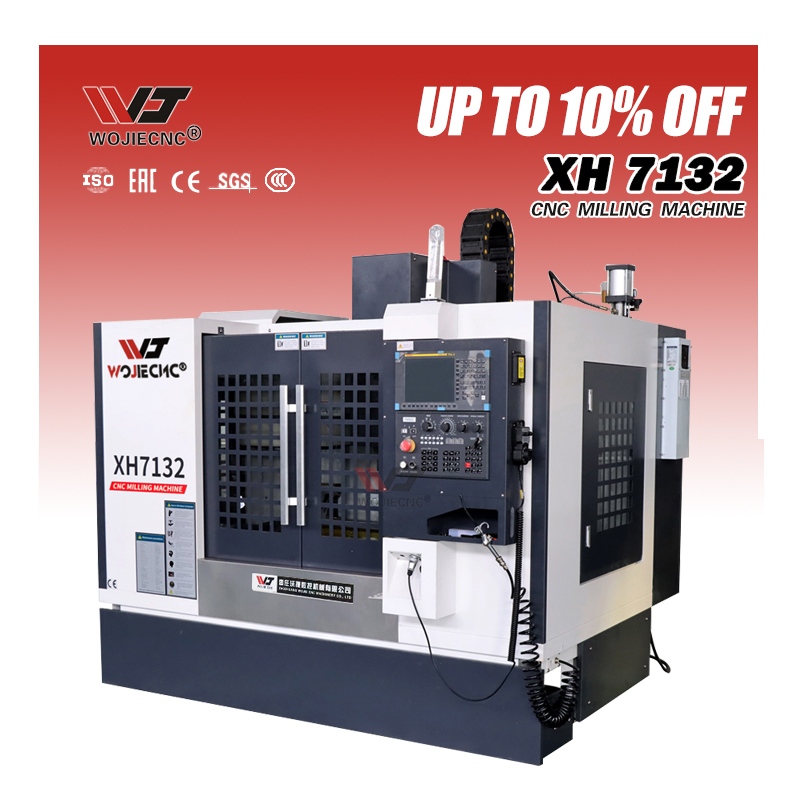
Manufacturing complex metal parts with exceptional precision has become a cornerstone requirement in modern industrial applications. A CNC milling machine represents the pinnacle of automated machining technology, offering manufacturers unprecedented control over dimensional accuracy, surface finish quality, and geometric complexity. These sophisticated machines have revolutionized how industries approach metal fabrication, transforming traditional manufacturing processes into highly precise, repeatable operations that consistently deliver superior results across diverse applications.
The evolution of precision machining has driven manufacturers to seek advanced solutions capable of meeting increasingly stringent tolerance requirements. Modern CNC milling machine technology integrates sophisticated control systems, high-resolution feedback mechanisms, and advanced cutting strategies to achieve remarkable precision levels previously unattainable through conventional machining methods. This technological advancement enables manufacturers to produce intricate metal components with tolerances measured in micrometers while maintaining consistent quality throughout extended production runs.
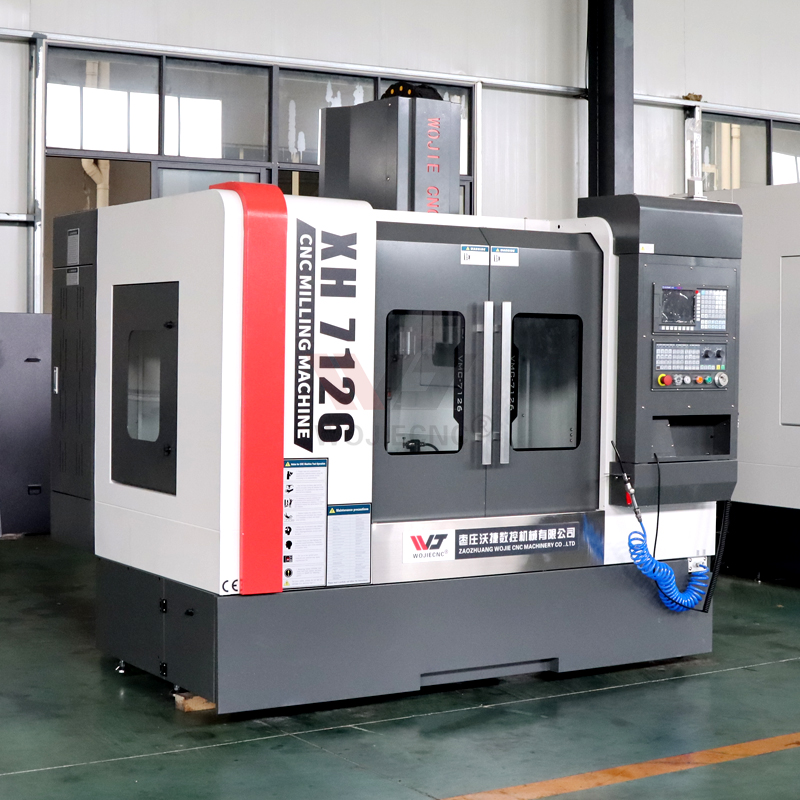
Advanced Control Systems for Enhanced Precision
Multi-Axis Coordination Technology
Contemporary CNC milling machine designs incorporate sophisticated multi-axis coordination systems that enable simultaneous movement across multiple planes with exceptional accuracy. These systems utilize advanced servo motors, precision linear guides, and high-resolution encoders to maintain exact positioning throughout complex machining operations. The integration of real-time feedback loops ensures that each axis maintains its programmed position within extremely tight tolerances, even during high-speed machining cycles or when processing challenging materials.
The coordination between different axes becomes particularly critical when machining complex geometries that require simultaneous multi-directional movements. Modern control algorithms calculate optimal tool paths that minimize positioning errors while maximizing material removal rates. This sophisticated coordination enables manufacturers to achieve precision levels that would be impossible through manual machining or less advanced automated systems, making complex metal parts production both feasible and economically viable.
Adaptive Control and Real-Time Monitoring
Advanced CNC milling machine systems incorporate adaptive control technologies that continuously monitor machining conditions and automatically adjust parameters to maintain optimal performance. These systems utilize sensors to detect variations in cutting forces, spindle loads, and dimensional accuracy, enabling real-time compensations that preserve precision throughout the manufacturing process. Temperature sensors monitor thermal expansion effects, automatically adjusting tool positions to compensate for dimensional changes caused by heat generation during extended machining cycles.
The implementation of predictive maintenance algorithms within modern CNC milling machine control systems helps prevent precision degradation before it affects part quality. These systems continuously analyze machine performance data, identifying potential issues such as bearing wear, spindle imbalance, or guide rail deterioration that could compromise accuracy. By addressing these issues proactively, manufacturers can maintain consistent precision levels while minimizing unexpected downtime and quality defects.
Precision Enhancement Through Advanced Tool Management
Automated Tool Changing Systems
Modern CNC milling machine configurations feature sophisticated automatic tool changer systems that significantly enhance precision by eliminating manual tool handling errors. These systems maintain tools in precisely controlled environments, protecting cutting edges from damage while ensuring consistent tool positioning accuracy. The automated tool changing process incorporates length measurement systems that automatically compensate for tool wear and variations, maintaining programmed dimensions without manual intervention.
Tool preset systems integrated within advanced CNC milling machine setups enable precise tool geometry measurement before machining begins. These systems capture detailed information about tool length, diameter, and cutting edge positions, feeding this data directly into the control system for automatic compensation calculations. This automation eliminates human error in tool setup procedures while significantly reducing setup times for complex multi-tool operations.
Dynamic Tool Wear Compensation
Sophisticated tool wear monitoring systems within modern CNC milling machine configurations continuously track cutting tool condition throughout machining operations. These systems utilize various sensing technologies including power monitoring, vibration analysis, and acoustic emission detection to identify tool wear patterns and predict optimal replacement timing. By maintaining tools within their optimal performance windows, these systems ensure consistent precision throughout extended production runs.
The implementation of dynamic tool wear compensation algorithms enables CNC milling machine systems to automatically adjust cutting parameters and tool offsets as wear progresses. This capability maintains dimensional accuracy even as tools gradually wear, extending tool life while preserving part quality. Advanced systems can even automatically trigger tool changes when wear reaches predetermined limits, ensuring uninterrupted production with consistent precision levels.
Material-Specific Precision Strategies
Optimized Cutting Parameters for Different Metals
Different metal materials require specific machining strategies to achieve optimal precision on a CNC milling machine. Aluminum alloys typically benefit from high-speed machining with sharp cutting tools and adequate lubrication to prevent built-up edge formation. Steel materials require more robust cutting parameters with emphasis on tool rigidity and thermal management to maintain dimensional stability. Titanium and other exotic alloys demand specialized cutting strategies that balance material removal rates with tool life while maintaining precision.
The selection of appropriate cutting parameters directly impacts the precision achievable on any CNC milling machine operation. Spindle speeds, feed rates, and depth of cut must be carefully balanced to minimize cutting forces while maintaining surface finish quality. Advanced CNC milling machine control systems incorporate material databases that automatically select optimal parameters based on material properties, ensuring consistent precision across different workpiece materials without extensive manual parameter optimization.
Thermal Management for Dimensional Stability
Thermal effects present significant challenges to precision in CNC milling machine operations, particularly when machining large or complex metal parts. Heat generation from cutting operations can cause workpiece expansion, tool dimensional changes, and machine structure distortion, all of which compromise final part accuracy. Modern CNC milling machine designs incorporate sophisticated thermal management systems including coolant circulation, controlled environment chambers, and thermal compensation algorithms.
Advanced thermal monitoring systems within CNC milling machine configurations track temperature variations throughout the machining process, enabling real-time compensation for thermal effects. These systems can adjust tool paths, modify cutting parameters, or implement cooling cycles to maintain dimensional stability. Some high-end CNC milling machine installations include climate-controlled environments that minimize external temperature variations, further enhancing precision capabilities for critical applications.
Quality Assurance Through Integrated Measurement
On-Machine Measurement Systems
Contemporary CNC milling machine systems often incorporate integrated measurement capabilities that enable real-time quality verification without removing parts from the machine setup. These on-machine measurement systems utilize touch probes, laser scanners, or vision systems to verify dimensional accuracy throughout the machining process. This integration eliminates positioning errors that can occur when transferring parts between machining and inspection equipment, significantly improving overall precision and reducing cycle times.
The implementation of closed-loop quality control within CNC milling machine operations enables automatic correction of dimensional variations as they occur. When on-machine measurement systems detect deviations from programmed dimensions, the control system can automatically adjust subsequent machining operations to compensate for identified variations. This capability ensures that complex metal parts meet specified tolerances even when intermediate machining steps produce slight variations.
Statistical Process Control Integration
Modern CNC milling machine installations increasingly incorporate statistical process control capabilities that continuously monitor precision performance across multiple production runs. These systems collect dimensional data from every manufactured part, analyzing trends and identifying process variations before they result in quality defects. The integration of SPC capabilities enables manufacturers to maintain consistent precision levels while optimizing machining parameters for improved efficiency.
Advanced data analysis algorithms within CNC milling machine control systems can identify subtle correlations between machining parameters and precision outcomes. This analytical capability enables continuous process optimization, automatically adjusting parameters to maintain optimal precision as conditions change. The resulting feedback loop ensures that CNC milling machine operations continuously improve precision performance while maintaining high productivity levels.
Applications in Complex Metal Part Manufacturing
Aerospace Component Production
Aerospace manufacturing demands exceptional precision levels that push CNC milling machine capabilities to their limits. Complex turbine components, structural elements, and engine parts require tolerances measured in micrometers while maintaining superior surface finish quality. CNC milling machine technology enables the production of these critical components with consistency and reliability that manual machining cannot achieve. The ability to machine complex geometries in single setups reduces accumulation of positioning errors while improving overall part accuracy.
The aerospace industry benefits significantly from advanced CNC milling machine capabilities including five-axis simultaneous machining, which enables complex contoured surfaces to be machined without multiple setups. This capability is particularly valuable for impeller manufacturing, where complex curved surfaces must maintain precise aerodynamic profiles. Modern CNC milling machine systems can maintain tolerances within ±0.005mm across these complex surfaces while achieving surface finishes suitable for critical aerospace applications.
Medical Device Manufacturing Precision
Medical device manufacturing presents unique precision challenges that require specialized CNC milling machine capabilities. Implantable devices, surgical instruments, and diagnostic equipment components demand biocompatible surface finishes combined with dimensional accuracy that ensures proper fit and function. CNC milling machine technology enables the production of these critical components while maintaining the cleanliness and precision standards required for medical applications.
The production of orthopedic implants exemplifies the precision capabilities of modern CNC milling machine systems. Hip joint components require precise spherical surfaces with tolerances measured in micrometers to ensure proper articulation and longevity. Advanced CNC milling machine configurations can maintain these tolerances across titanium and other biocompatible materials while achieving surface finishes that promote proper biological integration.
Future Developments in CNC Milling Precision
Artificial Intelligence Integration
The integration of artificial intelligence technologies within CNC milling machine control systems represents the next frontier in precision manufacturing. AI algorithms can analyze vast amounts of machining data to identify optimal parameters for specific applications, automatically adjusting processes to maximize precision while minimizing cycle times. These systems learn from each machining operation, continuously improving precision performance as they accumulate operational experience.
Machine learning capabilities within advanced CNC milling machine systems enable predictive optimization that anticipates precision challenges before they occur. These systems can predict tool wear patterns, identify optimal cutting strategies for new materials, and automatically compensate for environmental variations that might affect precision. The result is CNC milling machine performance that continuously improves over time, achieving precision levels that exceed original design specifications.
Advanced Sensor Integration
Future CNC milling machine developments will likely incorporate even more sophisticated sensor technologies that provide detailed real-time feedback about machining conditions. Advanced vibration sensors, acoustic monitoring systems, and high-resolution position feedback will enable unprecedented precision control. These sensors will work in conjunction with advanced control algorithms to maintain optimal machining conditions throughout complex operations.
The development of wireless sensor networks within CNC milling machine systems will enable comprehensive monitoring of all machine subsystems simultaneously. These networks will provide detailed information about spindle performance, axis positioning accuracy, thermal conditions, and cutting tool status. This comprehensive monitoring capability will enable precision levels that approach theoretical limits while maintaining high productivity and reliability.
FAQ
What tolerance levels can modern CNC milling machines achieve for complex metal parts
Modern CNC milling machine systems can routinely achieve tolerances of ±0.005mm (±0.0002 inches) for most metal materials, with high-end systems capable of maintaining tolerances within ±0.002mm (±0.00008 inches) under optimal conditions. The achievable tolerance depends on factors including part geometry, material properties, machine rigidity, environmental conditions, and tooling selection. Complex geometries may require slightly looser tolerances, but advanced CNC milling machine configurations with proper setup and maintenance can maintain exceptional precision across diverse applications.
How does a five-axis CNC milling machine improve precision compared to three-axis systems
Five-axis CNC milling machine configurations significantly improve precision by enabling complex geometries to be machined in single setups, eliminating positioning errors that accumulate through multiple setups. The additional rotational axes allow optimal tool orientation for each machining operation, reducing cutting forces and improving surface finish quality. This capability is particularly beneficial for complex contoured surfaces where maintaining consistent tool engagement is critical for precision. Five-axis systems also enable shorter, more rigid cutting tools to be used for deep features, further enhancing precision capabilities.
What maintenance practices are essential for maintaining CNC milling machine precision
Maintaining CNC milling machine precision requires regular calibration of all axes using precision measurement equipment, typically performed monthly or after significant temperature changes. Spindle bearings require regular inspection and replacement according to manufacturer specifications to prevent precision degradation. Linear guides and ball screws need regular lubrication and periodic replacement to maintain positioning accuracy. Environmental factors including temperature stability and vibration isolation are equally important for maintaining long-term precision performance in demanding applications.
How do advanced CNC milling machines handle thermal expansion during precision machining
Advanced CNC milling machine systems incorporate sophisticated thermal compensation strategies including real-time temperature monitoring of critical machine components and workpieces. Thermal expansion coefficients for different materials are programmed into the control system, enabling automatic adjustment of tool paths as temperatures change. Some high-end systems include active cooling systems that maintain consistent temperatures throughout machining operations. Pre-heating cycles may be used to achieve thermal equilibrium before precision machining begins, ensuring dimensional stability throughout the manufacturing process.