EN
EN




News
How does a CNC milling machine reduce scrap rates in machining projects?
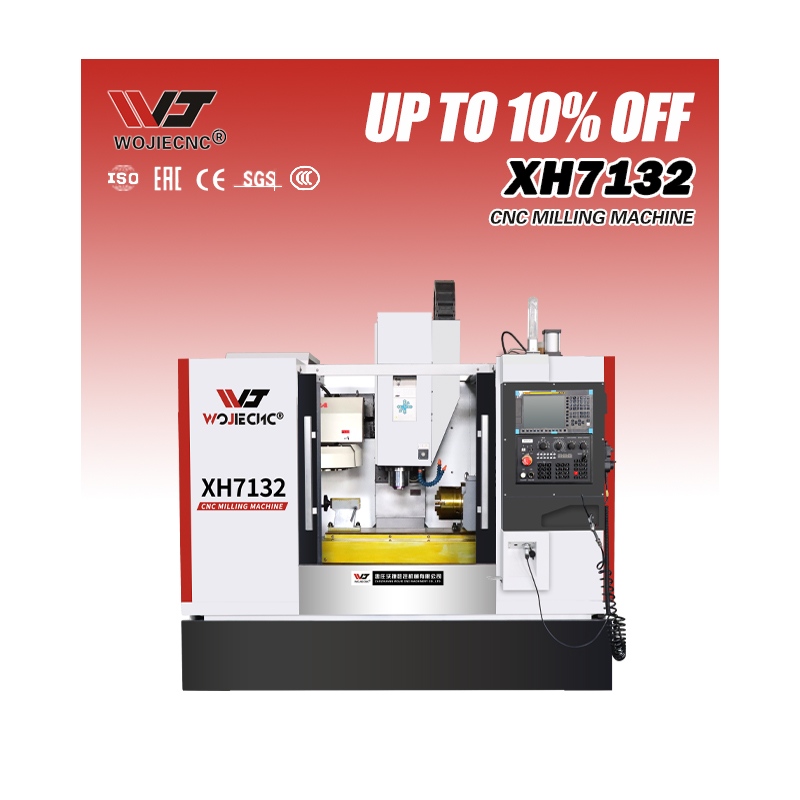
Manufacturing precision has never been more critical in today's competitive industrial landscape, where companies constantly seek ways to minimize waste and maximize efficiency. The challenge of reducing scrap rates in machining projects represents a significant concern for manufacturers across various industries, from aerospace to automotive. Modern production demands require solutions that can deliver consistent quality while eliminating costly material waste. Understanding how advanced machining technologies address these challenges becomes essential for businesses aiming to maintain profitability and competitive advantage in their respective markets.
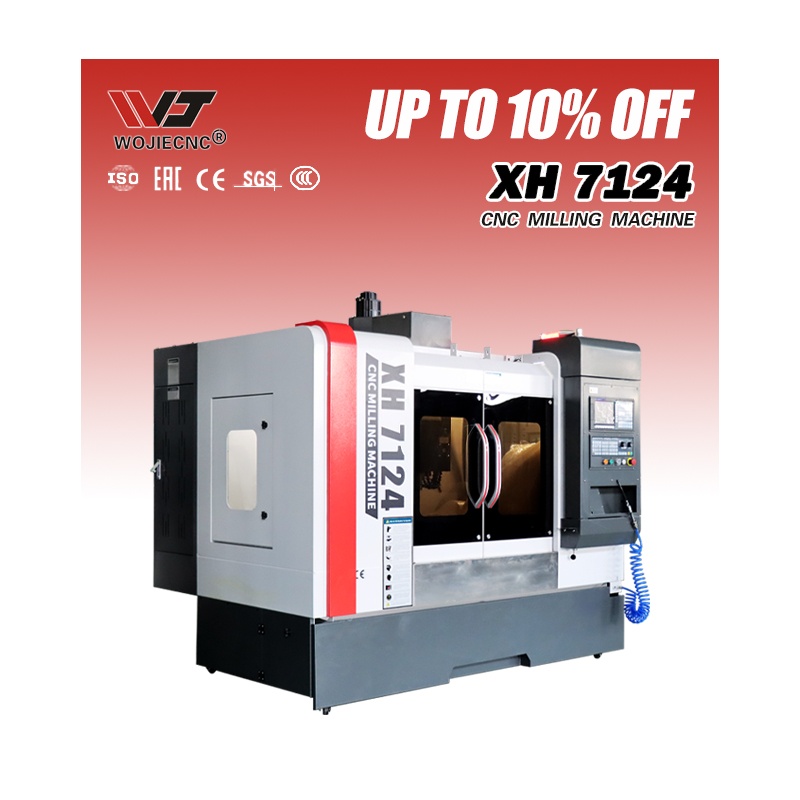
Precision Engineering and Dimensional Accuracy
Advanced Computer Control Systems
The foundation of scrap reduction lies in the sophisticated computer control systems that govern every aspect of a CNC milling machine operation. These systems eliminate human error by executing pre-programmed instructions with mathematical precision, ensuring that each component meets exact specifications. The digital nature of CNC control allows for real-time monitoring and adjustment, preventing deviations that could lead to scrapped parts. Computer-controlled positioning systems can achieve tolerances as tight as 0.0001 inches, dramatically reducing the likelihood of producing out-of-specification components.
Modern CNC milling machine controllers incorporate feedback loops that continuously monitor tool position, spindle speed, and cutting parameters. This constant monitoring enables immediate corrections when variations are detected, preventing the production of defective parts. The integration of advanced sensors and measurement systems provides operators with instant feedback about part dimensions, surface finish, and other critical quality parameters. Such real-time quality control significantly reduces the risk of producing entire batches of scrap material.
Repeatability and Consistency
One of the most significant advantages of CNC milling technology is its ability to produce identical parts repeatedly with minimal variation. This repeatability stems from the machine's ability to execute the same program countless times without deviation. Unlike manual machining operations where operator fatigue and skill variations can introduce inconsistencies, a CNC milling machine maintains the same level of precision throughout extended production runs. This consistency is particularly valuable in high-volume manufacturing where even small variations can accumulate into significant scrap losses.
The statistical process control capabilities inherent in CNC systems allow manufacturers to track dimensional variations over time and identify trends before they result in scrap production. By maintaining detailed records of part dimensions and process parameters, operators can implement preventive adjustments that keep production within acceptable tolerances. This proactive approach to quality control represents a fundamental shift from reactive scrap management to preventive quality assurance.
Optimized Cutting Parameters and Tool Management
Adaptive Feed Rate Control
Modern CNC milling machine systems incorporate adaptive control technologies that automatically adjust cutting parameters based on real-time feedback from the machining process. These systems monitor factors such as cutting forces, spindle load, and vibration levels to optimize feed rates and cutting speeds for each specific operation. By maintaining optimal cutting conditions throughout the machining cycle, these adaptive systems prevent tool breakage, excessive wear, and poor surface finishes that can lead to scrap production.
The ability to automatically adjust cutting parameters becomes particularly valuable when machining complex geometries or working with materials that have varying properties. Traditional fixed-parameter machining approaches often result in conservative settings that may prevent tool failure but can also lead to longer cycle times and increased tool wear. Adaptive control systems find the optimal balance between productivity and quality, ensuring that each cut is performed under ideal conditions while minimizing the risk of producing defective parts.
Intelligent Tool Life Management
Tool wear represents one of the primary causes of scrap production in machining operations, as worn tools can produce parts with poor dimensional accuracy and surface finish. A CNC milling machine equipped with advanced tool management systems can monitor tool condition in real-time and predict when tool replacement is necessary. These systems track parameters such as cutting time, number of parts produced, and measured tool wear to determine optimal tool change intervals.
Predictive tool management eliminates the guesswork associated with tool replacement schedules and prevents the production of scrap parts due to unexpected tool failure. By automatically scheduling tool changes before critical wear limits are reached, these systems ensure that all parts are produced with tools in optimal condition. The integration of tool break detection systems provides immediate notification when unexpected tool failure occurs, allowing for immediate production stoppage and preventing the production of additional scrap parts.
Advanced Programming and Simulation Technologies
Virtual Machining and Error Prevention
The development of sophisticated CAM software and virtual machining environments has revolutionized the way CNC programs are developed and validated. These systems allow programmers to simulate the entire machining process before any material is cut, identifying potential problems such as tool collisions, excessive cutting forces, or dimensional errors. Virtual machining simulation can detect programming errors that would otherwise result in scrapped parts or damaged equipment during actual production.
The ability to visualize the complete machining process in a virtual environment enables programmers to optimize tool paths, cutting sequences, and machining strategies for each specific part. This optimization process not only improves efficiency but also reduces the likelihood of producing defective parts. Modern simulation software can accurately predict surface finishes, dimensional accuracy, and even tool wear patterns, allowing for proactive adjustments before production begins.
Automated Quality Verification
Integration of measurement and inspection systems directly into the CNC milling machine environment enables real-time quality verification during the machining process. On-machine probing systems can measure critical dimensions and features while the part remains fixtured, eliminating setup errors and reducing measurement uncertainty. This immediate feedback allows for in-process corrections that prevent the production of out-of-specification parts.
Automated quality verification systems can also implement statistical process control protocols that track dimensional trends and automatically adjust machining parameters to maintain process capability. These systems can detect gradual changes in part dimensions that might indicate tool wear or thermal drift, enabling corrective action before scrap production occurs. The integration of quality control directly into the machining process represents a significant advancement in preventive quality management.
Material Optimization and Waste Reduction Strategies
Efficient Stock Removal Algorithms
Modern CNC milling machine programming incorporates advanced algorithms that optimize material removal strategies to minimize waste while maximizing productivity. These algorithms consider factors such as part geometry, material properties, and available tooling to develop cutting strategies that remove material efficiently while maintaining part quality. High-speed machining techniques combined with optimized tool paths can significantly reduce cycle times while producing superior surface finishes.
The implementation of trochoidal milling and other advanced cutting strategies allows for aggressive material removal rates while maintaining tool life and part quality. These techniques distribute cutting forces more evenly and reduce thermal loading on both the tool and workpiece, preventing heat-related distortion that can lead to dimensional inaccuracy. By optimizing the material removal process, manufacturers can achieve faster production rates while maintaining the precision required to eliminate scrap production.
Workholding and Fixturing Innovation
Proper workholding and fixturing play critical roles in scrap reduction by ensuring that parts remain accurately positioned throughout the machining process. Modern CNC milling machine systems incorporate advanced workholding solutions that provide secure clamping while minimizing workpiece distortion. Vacuum fixturing, magnetic workholding, and pneumatic clamping systems offer alternatives to traditional mechanical clamping that can reduce setup time and improve part accuracy.
The development of modular fixturing systems allows for quick changeovers between different part configurations while maintaining positional accuracy. These systems enable manufacturers to efficiently produce small batches of different parts without compromising quality or increasing scrap rates. Automated workpiece loading and unloading systems further reduce handling errors that can result in damaged or incorrectly positioned parts.
Integration with Manufacturing Execution Systems
Real-Time Production Monitoring
The integration of CNC milling machine systems with manufacturing execution systems provides comprehensive visibility into production processes and quality metrics. These integrated systems can track scrap rates, identify patterns in quality issues, and provide actionable insights for process improvement. Real-time monitoring capabilities enable immediate response to quality problems and prevent the continuation of processes that produce defective parts.
Data collection and analysis systems can identify correlations between process parameters and quality outcomes, enabling continuous improvement in machining strategies. By analyzing historical data on scrap rates, tool performance, and process variations, manufacturers can implement proactive measures that prevent quality problems before they occur. This data-driven approach to quality management represents a significant advancement in manufacturing efficiency and waste reduction.
Predictive Maintenance and Equipment Reliability
Equipment reliability plays a crucial role in maintaining consistent part quality and minimizing scrap production. Modern CNC milling machine systems incorporate predictive maintenance technologies that monitor equipment condition and predict potential failures before they impact production quality. Vibration analysis, thermal monitoring, and lubricant analysis systems provide early warning of developing problems that could lead to quality issues.
Predictive maintenance strategies ensure that CNC milling machine systems operate at peak performance levels, maintaining the precision required for scrap-free production. By addressing maintenance issues before they affect part quality, manufacturers can avoid the production disruptions and quality problems associated with unexpected equipment failures. Scheduled maintenance based on actual equipment condition rather than arbitrary time intervals maximizes equipment availability while ensuring consistent performance.
Workforce Training and Skill Development
Operator Education and Certification
The complexity of modern CNC milling machine systems requires skilled operators who understand both the technology and the principles of quality manufacturing. Comprehensive training programs that cover programming, setup, operation, and troubleshooting ensure that operators can maximize the scrap reduction capabilities of these advanced systems. Certification programs provide standardized skill validation and ensure consistent operational practices across different operators and shifts.
Ongoing education programs keep operators current with evolving technology and manufacturing best practices. As CNC milling machine capabilities continue to advance, operators must develop new skills to fully utilize these capabilities for scrap reduction. Investment in operator training and development provides long-term benefits in terms of improved quality, reduced scrap rates, and increased productivity.
Quality Culture and Continuous Improvement
Creating a culture of quality consciousness among machine operators and production staff reinforces the technical capabilities of CNC milling machine systems in reducing scrap rates. When operators understand the importance of quality and are empowered to make process improvements, they become active participants in scrap reduction efforts. Regular quality meetings, suggestion programs, and recognition for quality achievements help maintain focus on continuous improvement.
The implementation of lean manufacturing principles alongside advanced CNC milling machine technology creates synergistic effects that amplify scrap reduction benefits. When operators are trained to identify and eliminate waste in all its forms, the technical precision of CNC systems combines with human insight to create robust quality systems. This holistic approach to quality management ensures that the full potential of modern machining technology is realized in practical manufacturing environments.
FAQ
What percentage of scrap reduction can be expected when implementing CNC milling machines?
While specific results vary depending on the application and previous manufacturing methods, most manufacturers report scrap reduction of 60-80% when transitioning from manual machining to CNC milling machine operations. The exact percentage depends on factors such as part complexity, material type, and the sophistication of the CNC system implemented. Advanced CNC milling machine systems with integrated quality control can achieve even higher scrap reduction rates through real-time monitoring and automatic process adjustments.
How do CNC milling machines handle material variations that might cause scrap?
Modern CNC milling machine systems incorporate adaptive control technologies that automatically adjust cutting parameters based on material variations detected during machining. These systems monitor cutting forces, tool deflection, and other parameters to compensate for material hardness variations, inclusions, or other irregularities. Additionally, advanced programming techniques can include multiple cutting strategies for different material zones, ensuring optimal machining conditions regardless of material variations.
What role does preventive maintenance play in CNC milling machine scrap reduction?
Preventive maintenance is crucial for maintaining the precision and reliability required for consistent scrap reduction performance. Regular calibration of positioning systems, replacement of worn components, and maintenance of spindle accuracy ensure that the CNC milling machine continues to produce parts within specification. Predictive maintenance systems that monitor equipment condition enable proactive maintenance scheduling that prevents unexpected failures that could result in scrap production.
Can older CNC milling machines be upgraded to achieve better scrap reduction performance?
Many older CNC milling machine systems can be retrofitted with modern control systems, measurement technologies, and adaptive control capabilities to improve their scrap reduction performance. Upgrades such as high-resolution encoders, advanced probing systems, and modern CNC controllers can significantly enhance the precision and reliability of existing machines. However, the cost-effectiveness of such upgrades depends on the specific machine condition and the requirements of the application.