
 EN
EN



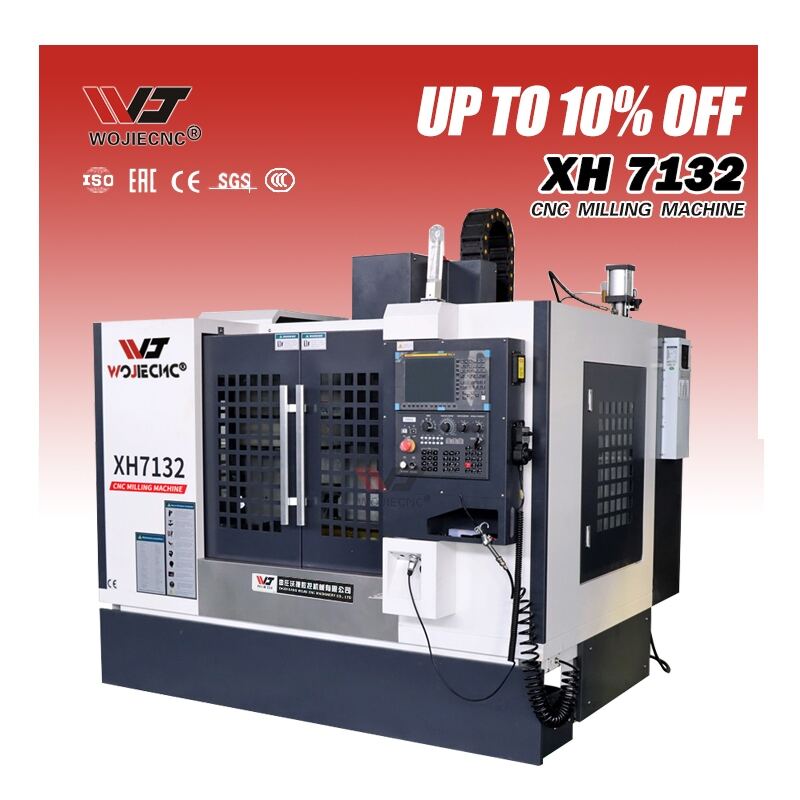
Wakati wa kushawishi kwa wateja wa viwanda kuhusu mauzo ya vifaa vya utengenezaji, uamuzi hujifunika zaidi ya bei ya mwisho ya ununuzi au vipengele vya katalogi. Miwadi ambayo huamua kuchong'wa kwa CNC uwezo wa mfumo wa kupatia thamani ya kudumu kwa miaka mingi ya matumizi katika uzalishaji mara nyingi huja tofauti sana na yale yanayotajwa katika vitabu vya kuzungumzia bidhaa. Ustawi wa muda mrefu katika uendeshaji wa kuchomwa kwa CNC unategemea jumla ya kujitegemea ya muundo, muundo wa mfumo wa udhibiti, usimamizi wa joto, muundo wa urahisi wa kurekebisha, na uсовместимости na mahitaji ya uzalishaji yanayobadilika. Kuelewa vipi vya maonyo maalum vinavyohusiana na uendelevu wa uendeshaji husaidia timu za kununua kuepuka mizani ya kubadilisha zisizo na faida na kudumisha uwezo wa kufanya uzalishaji kwa kiasi cha kushinda wengine kote katika mzunguko mrefu wa maombi ya vifaa.
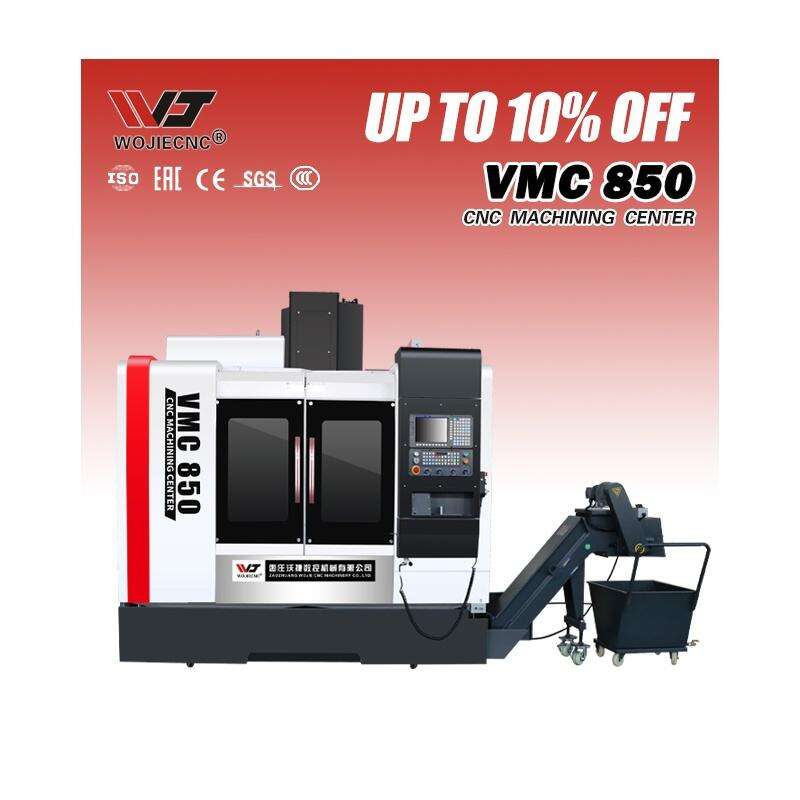
Vipengele vya kuchagua vifaa vya kuchoma kwa CNC vya kufanya kazi kwa muda mrefu vinahitaji uchambuzi wa jinsi ya maamuzi ya ubunifu yanavyoathiri tarakimu ya usafishaji, uwezekano wa kurudia mchakato, miongo ya mabadiliko ya joto, na uwezo wa kubadilika kwa umbo la sehemu zinazobadilika. Vifaa vilivyoelezwa kuwa yenye uaminifu kwa miaka kumi hadi kumi na tano za kufanya kazi kwa muda mrefu hushiriki vipengele vilivyotambulika katika ubunifu wa spindle, mfumo wa harakati ya moja kwa moja, ubunifu wa msingi, na uendelevu wa jukwaa la udhibiti. Vipengele hivi vya kusimamia ustahili mara nyingi vina gharama ya awali ya juu zaidi lakini hutoa gharama ya jumla ya uendelezaji ambayo ni chini zaidi wakati inachambuliwa kwa kipindi cha huduma kinachofaa kisasa. Wanaunzi wanao weka sifa hizi kwenye mpangilio wao wa kufanya kazi hupanga shughuli zao kwa namna ya kudumisha viwango vya uhakika, kupunguza muda wa kushindwa kwa sababu isiyotarajwa, na kuhifadhi thamani ya vifaa vya mali kwa njia ambavyo strategia za kununua zenye lengo la kuelezea vipengele mara nyingi huzidhani.
Msingi wa Ujeni na Vipengele vya Ustahili wa Kiashiria
Ubunifu wa Kuvutia Msingi na Uchaguzi wa Mbinu ya Kujenga
Msuru wa msingi wa mashine za kuchoma CNC hukubali uwezo wake wa kudumisha usahihi wa kijiometri chini ya mzigo wa kuchoma kwa muda mrefu. Msurubisho wa chuma cha kipato cha juu na mifumo ya kuvuruga kwa namna iliyosawazishwa hutoa uwezo bora wa kupunguza vibarabara kuliko mistari ya stili iliyoundwa, yanayowakilisha moja kwa moja usahihi wa kufanya mpangilio kwa muda mrefu. Tarkib ya chuma cha kuvuruga huingiza jinsi ya kujibu kwa mashine kwa mabadiliko ya joto katika mazingira ya uzalishaji, na vikundi vya juu vinaonyesha vikwazo vya kuongezeka kwa joto vya kuvuruga vyenye ubunifu zaidi. Mashine zilizotengenezwa kwa ajili ya ustawi mara nyingi zina thickness ya msurubisho inayozidisha kiasi cha kisasa cha sekta kwa miaka ishirini hadi thelathini, ikisambaza nguvu za kuchoma kwa namna bora zaidi kwenye eneo la mashine.
Mchakato wa kuzalika kwa kifupi katika msurubisho wa chuma cha kuvuruga unaboresha ustahimilivu wa ukubwa kwa miaka ya kwanza ya uendeshaji, wakati mistari iliyogawanywa inaweza kujitokeza kwa kasi ya kushuka ya stress ambayo inapunguza usahihi. Hii ya kuvuruga ya ndani ya cnc milling machine mizizi (bases) inahusiana moja kwa moja na uwezo wa muundo kushinda ukatili wa kuzunguka wakati wa kufanya kazi nzito za kupasua. Wanunuzi wanaothamini ustawi wa muda mrefu wanapaswa kuchunguza vituo vya upana wa kuvutia (casting thickness specifications), hati za uthibitisho wa aina ya chombo (material certification documentation), na ushahidi wa mchakato wa kutumia joto kutoa mashaka (stress-relief heat treatment processes) uliotumiwa kabla ya kufanywa kazi. Vyanzo hivi vimepanga msingi wa uwezo wa kudumisha usahihi ambao vipengele vyote vingine vya usahihi vinategemea kote katika muda wa kazi ya kifaa.
Ujenzi wa Mfumo wa Harakati ya Mistari
Mchanganyiko na ubora wa miongozo ya mstari huamua kwa kina jinsi ya mashine za kutengeneza CNC za kupiga kuvuruga huzingatia usahihi wa nafasi kote katika mzunguko milioni ya haraka. Miongozo ya mstari ya aina ya roli inatoa uwezo wa kubeba mzigo mkubwa zaidi na nguvu ya kupindua kuliko mifumo ya aina ya mabawa, ambayo inamaanisha usahihi bora zaidi wa kudumisha nafasi wakati wa kufanya kazi kwenye vitu vya kipekee kwa miaka mingi ya uendeshaji. Mipangilio ya kusukuma awali (preload) yanayotumiwa kwenye mifumo ya haraka ya mstari wakati wa kuunda huathiri moja kwa moja usahihi wa nafasi na kasi ambayo mahali pa kuvunjika huunda kupitia uvunjivyo wa kawaida. Mashine zilizoundwa kwa kudumu mara nyingi zinajumuisha miongozo ya mstari yenye vipimo vya nguvu zaidi ya 60 HRC na thamani za uvumbi wa uso chini ya mikromita 0.2.
Uundaji wa mfumo wa kuchafua kwa vipengele vya mzunguko wa moja kwa moja unaweza kuathiri siku za usimamizi na kiwango cha kupungua kwa usahihi katika matumizi ya kuchakata kwenye CNC. Mifumo ya kuchafua ya kiotomatiki yenye kituo cha kati na wakati wa mzunguko unaoweza kugeuza kwa programu huzingatia uenezi wa filmi kwa kawaida kwenye mitaalamu yote ya mzunguko, ikidhibiti mabadiliko ya uvunjivu ambayo mbinu za kuchafua kwa mikono mara nyingi huzaa. Uundaji wa kufunga kwa njia ya kulinda uliozuingiza mitaalamu ya mzunguko ya moja kwa moja unadeterminisha jinsi ya kuzuia vyema uchafuzi wa coolant na vibarua vya chakula, ambavyo ni sababu kuu za kuharakisha uvunjivu mapema katika mazingira ya uzalishaji. Wanaunzi wanapaswa kuthibitisha kwamba watoa mitaalamu ya mzunguko wameipa taarifa iliyotajwa ya kudumu kwa usahihi kwa idadi ya mzunguko iliyofafanuliwa, kwa maana taarifa hii inaonyesha mabadiliko ya mtaratibu ya usahihi yanayotarajiwa katika mazingira ya kazi ya kawaida.
Uundaji wa Spindle na Ufafanuzi wa Mipaka
Kipengele cha spindle kinawakilisha kipengele muhimu zaidi kuhusu ustahili wa kudumu katika uendeshaji wa kuchoma kwa CNC, kwa sababu huunganisha moja kwa moja nguvu za kuchoma na usahihi wa sehemu. Mifupa ya mabegging ya chuma cha kisiliconi yenye mwelekeo maalum, yaliyowekwa kwa vikundi vya usahihi wa kipekee, hutoa miaka ya huduma ndefu zaidi kuliko mifupa ya chuma ya kawaida, na kudumisha usahihi wa nafasi kupitia saa nyingi zaidi za kuchoma zilizojumuishwa. Uzito wa mifupa maombi njia ya kuzima na muundo wa kusaidia kwa joto unadeterminisha jinsi ya kubadilika kwa ujasiri wa spindle wakati joto la uendeshaji linapopata usawa katika mazoezi ya uzalishaji. Nyumba za spindle zinazotengenezwa kutoka kwa vitu vilivyofanana na kiwango cha kuongezeka kwa joto cha chuma cha mifupa hupunguza tofauti za kuongezeka kwa joto ambazo hukatisha usahihi wa kusahihisha urefu wa kifaa.
Uingiziano wa mfumo wa kuponya ndani ya mchanganyiko wa spindle unapaswa kuhusiana moja kwa moja na ustahili wa joto wakati wa uendeshaji wa kuchuma kwa muda mrefu ambao unacharacterize mazingira ya uzalishaji. Mifumo ya uvunaji kwa kutumia mafuta ya mistari (oil-mist) hutoa udhibiti bora zaidi wa joto kuliko mifumo ya uvunaji kwa kutumia mafuta ya kuvunja (grease), ikiruhusu utendaji wa kudumu wa spindle katika vikoa vya joto vya upana zaidi. Uundaji wa mpangilio wa kipengele cha kujumuisha (taper interface) na vipimo vya nguvu ya draw bar vinathibitisha uwezekano wa kurejea kwa kipengele cha kuchuma (tool holder), ambacho kinazidisha makosa ya nafasi kwa kila mabadiliko ya kipengele cha kuchuma katika mzunguko mrefu wa uzalishaji. Vyombo vya kuchuma vya CNC vilivyoundwa kwa ajili ya uendelevu wa uendeshaji vina mfumo wa kufuatilia spindle uliojumuisha kufuatilia joto la mabearing, alama za vibaya (vibration signatures), na miongozo ya matumizi ya nguvu ili kusaidia mpango wa usambazaji wa mapambano kabla ya kushuka kwa usahihi kuonekana katika sehemu zilizotengenezwa.
Uendelevu wa mfumo wa udhibiti na Uwezekano wa Kusanidi
Uundaji wa Mfumo wa Udhibiti
Mfumo wa udhibiti wa nambari unaouongoza shughuli za kuchonga kwa CNC unadeterminisha uwezo wa kazi wa sasa na uwezo wa kubadilika kwa muda mrefu ili kujitokeza kwa mahitaji ya uzalishaji yanayobadilika. Mifumo ya udhibiti yenye utengenezaji wazi inatoa njia bora zaidi za kuboresha kuliko mifumo ya kibinafsi, ikiruhusu kuongeza vipengele bila kubadilisha kabisa kiongozi kama mahitaji ya uzalishaji yavutotoka. Uwezo wa kusonga wa mfumo uliojengwa katika viwango vya kwanza vya ununuzi unahusiana moja kwa moja na uwezo wa mfumo kukuza upo kwa uboreshaji wa programu za baadaye, mbinu bora zaidi za kuchonga, na muunganisho na mifumo ya kutekeleza uzalishaji. Kiongozi ambacho kimeundwa kwa vitu vya kiindustri vilivyopimwa kwa vikomo vya joto vya urefu na kufanya kazi kwa muda mrefu huvutia kiasi cha chini cha kushindwa kuliko vifaa vya kawaida vya kisanii vilivyobadilishwa kwa matumizi ya vifaa vya kuchonga.
Rekodi ya mtengenezaji kwa kutoa sasisho za programu na mabaki ya usalama katika majeneresheni ya awali za kiongozi inaonyesha uhusiano wao wa kusaidia vifaa vilivyopakwa kwa muda wa huduma unaofaa. Mifumo ya udhibiti wa CNC milling iliyotengenezwa kwenye mizizi iliyojumuishwa kwa upana zinufaisha kutoka kwenye mazingira ya msaada wa teknolojia ya upana zaidi, ikupunguza kutegemea watoa huduma wa chanzo moja tu na kupunguza muda wa kupumzika wakati wa kutatua matatizo. Upatikanaji wa mbao za mzunguko, moduli ya I/O, na vifaa vya kuingiliana kutoka kwa watoa wengi hutoa dhamana ya uendelezi dhidi ya hatari za kuzorolewa ambazo mizizi ya pekee huzalisha. Wanunuzi wanapaswa kuthibitisha muda wa mwisho wa msaada uliochapishwa na mtengenezaji wa kiongozi kwa vifaa vya kijeneresheni hivi karibuni na kuchunguza muda wa msaada uliopita kwa majeneresheni ya awali ili kuelezwa matarajio ya uendelevu yanayofaa.
Upanuzi wa Uwezo wa Programu
Uwezo wa programu ya msingi uliojumuishwa katika mifumo ya udhibiti wa kuchukua CNC mara nyingi unawakilisha sehemu ndogo tu ya uwezo wote wa kazi ya jukwaa, na vipengele vya juu vinapatikana kupitia maboresho yanayotolewa kwa leseni. Vyombo vilivyopurcha na uwezo wa kuboresha programu huvunja chaguo la kuongeza kuchukua kwa mikono tano, udhibiti wa kujitolea wa kasi ya kuchukua, na mzunguko wa kuingiza kipimo kama mahitaji ya uzalishaji yahusika bila kubadilisha viwanja. Uwezo wa mfumo wa udhibiti wa kukuza zana za nje za programu kwa ajili ya usimulizi, uboreshaji wa njia ya kuchukua, na ukaguzi wa mchakato unamalizia jinsi ambavyo kifaa hiki kinajumuika kwa ufanisi katika mazingira ya teknolojia ya uzalishaji inayoboroka. Mifumo ya programu ambayo inasaidia miongozo ya kawaida ya mawasiliano inaruhusu ubadilishaji wa data kwa urahisi na mifumo ya udhibiti wa uzalishaji, vifaa vya udhibiti wa ubora, na suluhisho za usimamizi wa zana kwa kutumia teknolojia ya kiotomatiki.
Uundaji wa kiolezo cha mtumiaji na u совместимости ya lugha ya programu huathiri ufanisi wa mafunzo ya watumiaji na uwezekano wa kutumia ujuzi katika majeneresheni ya vifaa katika uendeshaji wa kufanya kazi kwa CNC milling. Mifumo ya udhibiti inayosaidia kanuni za G-code na M-code za sekta hupunguza mahitaji ya mafunzo mpya wakati wa kuboresha vifaa, ikidumisha maarifa ya taasisi ya programu katika mzunguko wa kubadilisha vifaa. Uwepo wa vikio vya programu vya mazungumzo, uonyesho wa picha wa njia ya zana, na uwezo wa kujaribu kwa namna ya kidijitali hupunguza muda wa kuanzisha na makosa ya programu, ikibofya ufanisi wa jumla wa vifaa kote katika maisha yake ya kufanya kazi. Wakununua wanaotathmini ustahili wa kudumu wanapaswa kumpa umuhimu mkubwa zaidi kwa mifumo ya udhibiti yenye uelekezaji ulioshuhudishwa wa uwezekano wa kufanya kazi na programu za zamani pamoja na kupatia njia wazi za kubadilisha kwa mazingira ya programu iliyoboreshwa kama ujuzi wa watumiaji unavyopanua.
Uunganishaji na Binadamu ya Umoja wa Data
Uendeshaji wa kisasa cha kuchoma kwa CNC unategemea zaidi uunganishwaji wa mashine kwa ajili ya kufuatilia uzalishaji, usambazaji wa mapambano kabla ya kutokea kwa matatizo, na kusafisha data ya ubora ambayo inaongeza muda wa huduma ya vifaa. Mifumo ya udhibiti yenye vikenge vya Ethernet, miongozo ya mawasiliano ya OPC-UA, na uwezekano wa kufanana na MTConnect inasaidia uunganishwaji na mifumo ya kutekeleza uzalishaji ambayo inaonyesha matumizi bora ya mashine na kuzuia hali za kupakana zinazosababisha uvimbe haraka. Upatikanaji wa mizunguko ya data ya kufuatilia mashine, ikiwemo mzigo wa spindle, makosa ya nafasi ya mizingo, na ukurasa wa visensor vya joto, unasaidia kutekeleza mikakati ya usambazaji inayotegemea hali ya mashine ili kutatua matatizo yanayotengeneza kabla ya kutokea kwa magonjwa makubwa. Mashine zilizojengwa kwa miundombinu bora ya kusafisha data hutoa uonekano unaohitajika kuhakikisha matumizi bora ya viparameta vya kazi, kubadilisha mzozo usiohitajika wa kiholela ambao unafanya muda wa huduma wa sehemu kuwa mfupi.
Ujenzi wa usalama wa kisayansi ya kompyuta uliojumuishwa katika ubunifu wa mfumo wa udhibiti unadeterminisha uwezekano wa makinu kuathirika na mapungufu ya uzalishaji kwa sababu ya kuongezeka kwa mitandao ya uzalishaji na kuongezeka kwa uunganishwaji wa nje. Vivinjari vilivyoendeleza mitandao ya kujitenga kwa ajili ya uendeshaji wa makinu kima compared na ripoti ya data vinazoshindwa kuzuia upatikanaji wa haki kutoka nje ambao unaweza kuharibu uendeshaji wa uzalishaji. Uahuzi wa mtengenezaji kutoa sasisho za usalama na mabadiliko ya firmware wakati wote wa maisha ya uendeshaji wa vifaa unahakikisha usalama dhidi ya hatari za kisayansi ya kompyuta zenizozokuwa kubadilika, ambazo zinaweza kufanya mfumo wa CNC milling inayotumika kupitia mtandao kuwa hauna uwezo wa kufanya kazi. Wakununua wanapaswa kuthibitisha kwamba miongo ya udhibiti inajumuisha vipengele vilivyotajwa kwa usalama, uwezo wa mawasiliano yaliyofichwa, na taratibu zilizotambuliwa za kusasisha ambazo zinahakikisha uendeshaji salama unaovuruga kwa muda wa miaka 10 hadi 15 kama vile mazingira ya IT ya uzalishaji yanaendelea kubadilika.
Udhibiti wa Jimbo la Joto na Utegemezi wa Mazingira
Mifumo ya Udhibiti wa Jimbo la Muundo
Upanuzi na kupungua kwa joto la miundo ya mashine za CNC milling ni vyanzo muhimu vya makosa ya kufikia nafasi ambayo hujiwaka wakati wa mzunguko wa uzalishaji na kuharibu usahihi wa sehemu kote katika uhai wa huduma ya kifaa. Mifumo ya kusaidia kwa joto inayofanya kazi kwa aktifu ambayo huangalia majoto ya miundo muhimu na kuweka mabadiliko ya nafasi kwa wakati wa kweli hushinda mahitaji ya usahihi katika vyanzo vya joto vya mazingira vinavyoenea zaidi kuliko mifumo ya kusaidia kwa joto inayofanya kazi kwa pasif. Nafasi na idadi ya vifaa vya kujaza joto katika sehemu zote za miundo ya mashine hutambua jinsi ya usahihi ambavyo mfumo wa udhibiti unaweza kufanya mfano wa mifumo ya upanuzi kwa joto na kusaidia kwa athari zake juu ya nafasi ya chombo cha kufanya kazi kwa kihakiki. Mashine zilizoundwa kwa ajili ya ustahili wa joto mara nyingi hujumuisha mifumo ya udhibiti wa joto ya pekee kwa ajili ya nguzo, vitanda, na makabati ya spindle ambayo huweka majoto ya sehemu ndani ya vyanzo vidogo bila kujali hali ya mazingira.
Ugawaji wa massa ya joto kote katika miundo ya mashine ya kuchukua CNC huathiri kasi gani ya kusimama kwa majoto baada ya kuanzisha mashine na jinsi yanavyojibu kwa mabadiliko ya nguvu ya kuchukua. Miundombinu ambayo huweka mbali vipengele vya kuzalisha joto kama vile mitambo na mifumo ya hydraulic kutoka kwa miundo ya uhakika kupitia vikwazo vya joto vinazungumzia uhakika bora zaidi wakati wa uendeshaji wa uzalishaji. Uwezo wa mfumo wa coolant wa kudumisha joto huathiri moja kwa moja jinsi mashine inavyodumisha majoto ya mara kwa mara wakati wa kuchukua kwa muda mrefu ambao unahusiana na mazingira ya uzalishaji. Wakununua wanaotathmini ustabiliti ya muda mrefu wanapaswa kuchunguza wasifu wa kufanya malipo ya joto, maelezo ya vitambaa vya kisensori cha joto, na ushahidi wa mtihani wa utendaji wa joto chini ya hali zenye ufanisi kwa matumizi ya uzalishaji yanayotarajewa.
Uunganisho wa Mfumo wa Coolant na Usimamizi wa Chips
Uundaji wa mfumo wa kuletea maji ya kuponya katika mashine za kuchoma CNC huathiri utendaji wa kuchoma wa mara moja na uwezo wa kudumisha usahihi wa muda mrefu kupitia athari yake juu ya hali za joto na udhibiti wa uchafuzi. Mifumo ya kuletea maji ya kuponya kwa shinikizo la juu kupitia spindle inatoa uondoaji bora wa chips kuliko mbinu za maji ya kuponya ya kuvutia, ikipunguza kujengwa kwa joto katika eneo la kuchoma ambalo linaleta upanuzi wa joto wa vipande vya kazi na vifaa vya kuchoma. Uwezo na ufanisi wa mfumo wa kufiltrisha maji ya kuponya hukubaliana na kasi ambayo vitu vya kuchuma vinajengwa katika maji yanayorudishwa, na kufiltrisha kwa ukweli kushindwa kuharibu vifungo, mizizi, na sehemu za mzunguko wa moja kwa moja. Maji ya kuponya ya kuchanganya yanayodumisha joto la maji ndani ya vijito vya upana mdogo hupunguza tofauti za joto zinazosababisha ustahili wa kubadilika kwa vipande vya kazi na muundo wa mashine wakati wa mzunguko mrefu wa uzalishaji.
Uundaji wa mfumo wa kutoa chipu unategemea jinsi ya kufanya kazi ya kutoa vibarua kutoka kwenye eneo la kufanya kazi, kuzuia kukusanyika kwa vibarua ambavyo huathiri mfumo wa mzunguko wa moja kwa moja na kuharakisha uvimbe wa sehemu katika uendeshaji wa kuchoma kwa CNC. Vyombo vilivyopangwa na mabandiko ya kutoa chipu ya kiotomatiki na mifumo ya kusanya kwa kituo kinapunguza mahitaji ya mshirika wa binadamu wakati huo huo ukikwepa kukusanyika kwa chipu ambacho kunaweza kuharibisha uso wa usahihi. Uundaji wa milango ya kulinda na ufanisi wa kufunga karibu na sehemu muhimu unategemea jinsi ya kufanya kazi ya kuzima kuvutia maji ya kuchoma na uchafu wa chipu kutoka kwenye mifumo ya kubeba, miongo ya mzunguko wa moja kwa moja, na mifumo ya kusonga kwa ball screw. Wanaunzi wanapaswa kupima uwezo wa mfumo wa kudumisha chipu kwa kulinganisha na kiwango cha kawaida cha kutoa vitu kutoka kwenye chombo, pamoja na kuthibitisha kwamba uundaji unazima kukusanyika kwa chipu katika maeneo ambayo kutoa kwa chipu huitajia kufungua vyombo vya kina.
Ukubaliano na Hali za Mazingira
Maelezo ya mazingira ya uendeshaji yanayotolewa kwa vifaa vya kuchoma kwa CNC hutoa taarifa muhimu kuhusu uwezo wa mashine kudumisha usahihi chake katika mazingira ya kawaida ya kitengo badala ya mazingira ya laboratori yenye udhibiti wa hali ya hewa. Mashine zinazopewa ratiba ya kufanya kazi katika vikomo vya joto vya upana zaidi, viwango vya unyevu, na mazingira ya vibarabara ya mazingira yanavyoonyesha uhandisi uliowekwa kuzingatia ustahili katika mazingira ya uzalishaji wa kisasa. Uundaji wa mfumo wa umeme na ratiba za vyakundu huamua ubora wa mashine katika kubadilika kwa voltage, matatizo ya ubora wa nguvu, na uvimbe wa umeme unaofanyika mara kwa mara katika vifaa vya viwandani. Vifungo vya udhibiti vilivyopangwa na mfumo wa kuponya hewa na ufiltro wa shinikizo chanya hulinda vifaa vya umeme vya kiholela kutoka kwa mzigo wa joto na uchafuzi ambao unaharakisha uvimbe wa vyakundu katika mazingira ya uzalishaji yenye changamoto.
Mahitaji ya msingi yaliyoainishwa na watengenezaji yanaonyesha taarifa muhimu kuhusu unyeti wa mashine kwa mtetemo wa sakafu, makazi ya jengo, na hali ya mazingira ambayo hubadilika katika mizunguko yote ya maisha ya kituo. Mashine za kusagia za Cnc zilizoundwa kwa mifumo jumuishi ya kutenganisha mitetemo hudumisha vipimo vya usahihi licha ya mtetemo wa sakafu kutoka kwa vifaa vya karibu, kreni za juu, na mienendo ya kimuundo ya jengo. Ubunifu wa mfumo wa kusawazisha na marekebisho huamua jinsi mashine inavyoweza kupunguzwa kwa urahisi kadri misingi ya jengo inavyotulia kwa miaka mingi ya uendeshaji, ikihifadhi usahihi wa kijiometri bila kuhitaji uingiliaji kati maalum wa huduma. Wanunuzi wanapaswa kuthibitisha kwamba vipimo vya uvumilivu wa mazingira vinaendana na hali halisi ya kituo na kwamba mashine inajumuisha vipengele vya muundo vinavyofidia tofauti za mazingira badala ya kuhitaji tu hali za usakinishaji zinazodhibitiwa kwa ukali.
Uundaji wa Uwezekano wa Huduma na Ufikiaji wa Vikomponenti
Mfumo wa Kufikia Mahitaji ya Ushiriki
Uundaji wa kimwili wa mashine za kuchonga CNC huathiri moja kwa moja ufanisi wa ushiriki, muda wa kutokuwa katika matumizi (downtime), na gharama jumla ya ubunifu wakati wa maisha yake ya kazi. Mashine zilizotengenezwa na vifungo vya kufungua kwa kuzunguka, milango inayoweza kufupishwa, na ufikiaji wa vipengele bila kutumia zana unawezesha utendaji wa haraka zaidi ya vitendo vya ushiriki wa kuzuia matatizo, kuhakikisha kuwa kuna mvutano mdogo kwenye uzalishaji. Ufikiaji wa mahali pa kupakia mafuta, vipengele vya kufiltrika, na vipengele vinavyovuruga huamua je! utendaji wa kawaida wa ushiriki unaweza kufanyika na wafanyabiashara wakati wa mabadiliko ya shati au unahitaji muda maalum wa ushiriki na ustawi wa vifaa vya uzalishaji kuwa ameacha kufanya kazi. Ubora wa hati za huduma, ikiwemo ramani za kuvunjwa kwa maelezo, maelezo ya nguvu ya kuzungusha (torque), na taratibu za kuboresha, hujenga sana jinsi ya kufanya uchunguzi wa matatizo na kurudisha mashine kwenye hali ya kufanya kazi kwa urahisi.
Uundaji wa kiolezo cha mifumo ya ndogo muhimu unasababisha ufanisi wa kubadilisha vifaa na mahitaji ya hifadhi kwa uendeshaji wa kufanya kazi kwa kutumia mashine ya CNC iliyo na mashine nyingi. Mashine ambazo zinatumia ukubwa wa kawaida wa mikwaju, vipengele vya kawaida vya kufunga, na vikundi vya kubadilika kati ya aina mbalimbali za mashine vinapunguza uchafuzi wa hifadhi ya vitu vya spares wakati pia vinahakikisha kuwa utunzaji ni rahisi. Upatikanaji wa mbinu za kudhihaki katika mfumo wa udhibiti unaouongoza wahandisi kupitia mbinu za kugundua tatizo unapunguza kutegemea ujuzi wa kipekee wa huduma na kuharakisha usuluhisho wa matatizo. Wanunuzi wanaoangalia ustabiliti wa muda mrefu wanapaswa kuchunguza ugharibifu wa mbinu za utunzaji, kuhakikisha kuwa ubunifu wa vifungo vya upatikanaji vinafaa, na kuthibitisha kwamba hati za huduma zina maelezo ya kutosha ili timu ya utunzaji ya ndani iweze kufanya mazoezi ya kawaida bila msaada wa uzinduzi.
Ukubwa wa Vifaa na Upatikanaji wa Sehemu
Uchaguzi wa vitu vya viwandani vinavyotumika kwa kawaida dhidi ya miundo ya kipekee unahusiana moja kwa moja na upatikanaji wa vitu vya muda mrefu na gharama za huduma kwa vifaa vya kuchoma kwa kutumia CNC. Vyombo vilivyotengenezwa kwa kutumia vifungo vya kawaida, vifungo vya kufunga, vinyororo, na vifungo vya mzunguko vinafaa kutokana na soko la vitu la kushindana na chaguo mbalimbali za kutoa vitu ambavyo hupunguza kutegemea watoa wa vyombo vya asili. Kutumia vinginezo vya kipekee, vitu vya kubadilishwa kwa kipekee, na visambazaji vya chanzo mmoja huunda matatizo ya mchoro wa usambazaji ambavyo yanaweza kufanya vyombo vilivyokuwa vizuri kazi kuwa bila kazi wakati watoa huacha kutoa msaada. Upatikanaji wa orodha zinazofaa za vitu pamoja na nambari za vitu vya mtengenezaji unasaidia timu za kununua kuanzisha vyanzo vingine na kudumisha hisa ya vitu muhimu bila kuhitaji kipato kikubwa.
Mtandao wa usambazaji wa sehemu za huduma kutoka kwa mfanyabiashara na muda ulioonyeshwa kwa kufikia kwa sehemu za ubadilisho unatoa taarifa muhimu kuhusu ustawi wa miundombinu ya msaada wakati wa mzunguko wote wa vifaa. Wafanyabiashara wa mashine za CNC milling ambao hushiriki vituo vya usambazaji vya sehemu katika mikoa yao hujitambulisha kama wanaojitahidi kumsaidia watumiaji waliowekwa kwa kuhakikisha upatikanaji wa haraka wa sehemu ili kupunguza muda wa kupumzika kwa uzalishaji. Uwazi wa bei za sehemu za huduma na upatikanaji wa vikundi vya sehemu kwa mchakato wa huduma ya kawaida husaidia kufanya mchakato wa kuhesabu gharama za mzunguko kwa usahihi wakati wa kuchagua vifaa. Wakununuzi wanapaswa kuhakikisha kwamba sehemu muhimu zinatumia vipimo vya kawaida vya sekta, kuthibitisha upatikanaji wa sehemu kwa mashine zilizotengenezwa miaka kumi hadi kumi na tano iliyopita, na kuchunguza ikiwa miundombinu ya huduma ya mfanyabiashara ina ustawi wa muda mrefu unaolingana na uwekezaji wa vifaa unaochunguzwa.
Uwezo wa Kujenga Upya na Kufanya Upya
Mbinu ya uundaji na ubunifu wa kimwili wa mashine za kuchukua CNC zinategemea uwezekano wao wa kufanywa upya kwa kina, ambayo huongeza muda wa huduma zaidi ya mzunguko wa maeneo ya kwanza. Mashine zilizojengwa kwa kutumia vifungo vya kubatiliana, uso la kubadilika la kuvuruga, na sehemu za kihali za kuvuruga zinazoweza kufikiliwa zinaweza kusaidia mbinu ya kufanywa upya kwa mtaratibu ambayo huweka tena vipimo vya usahihi kama vilivyokuwa awali kwa sehemu ndogo tu ya gharama ya kubadilisha kabisa. Uwepo wa miradi ya kufanywa upya iliyothibitishwa na uzinduzi, mbinu iliyochapishwa ya kufanywa upya, na njia za kuboresha sehemu zinatoa ishara ya uwajibikaji wa mfanyabiashara kuhakikisha kuwa amesaidia mifumo hadi kipindi cha muda mrefu. Mashine zilizoundwa kwa lengo la kubadilishwa badala ya kufanywa upya mara nyingi hujumuisha vifungo vya kushirikiana, uso la kuvuruga lililojumuishwa, na mizani ya kihali ambayo inahitaji vifungo vya kipekee ili kurejesha vipimo vya awali.
Ujenzi wa mfumo wa udhibiti unathibitisha sana uchumi wa kujenga upya, kwa sababu ya kusitishwa kwa vitu vya udhibiti mara nyingi hupeleka kwa badilisha vyombo kabla ya wakati kwa sababu ya miundo iliyobaki vizuri kwa namna ya kiashia. Vyombo vya kuchoma CNC vilivyoundwa kwa kutumia mfumo wa udhibiti wenye uwezo wa kubadilishwa (modularity) huvyoo kubadilisha vitu vya udhibiti bila kujenga upya vyombo vyote, kuhifadhi uwezo wa miundo wakati wa kuboresha uwezo wa kuhesabu. Uelewe wa kipekee cha muunganisho wa kiashia kati ya majeneresheni ya udhibiti hutambua je, vitu vya udhibiti vipya vinaweza kujengwa tena katika miundo ya vyombo vilivyopo bila mabadiliko makubwa. Wanunuzi wanao jitahidi kupata thamani kubwa zaidi ya muda wa maisha ya vyombo vinapaswa kuchunguza kama watoa hudhuria wamependa kutoa mipango ya kujenga upya iliyotajwa, kuthibitisha upatikanaji wa vifaa vya kina vya kubadilishwa, na kuchunguza kama ujenzi wa mfumo wa udhibiti una ushawishi wa kuboresha hatua kwa hatua badala ya kufanya ubadilishaji kamili ili kupata uwezo mzuri zaidi.
Uwezo wa Kuongeza Uzalishaji na Kipenyo cha Matumizi
Uwezo wa Kubadilisha Mfumo wa Mizinga
Uundaji wa kihisia na muundo wa mfumo wa udhibiti wa mashine za kuchoma CNC hukubali uwezekano wao wa kubadilika ili kujibu mahitaji ya uzalishaji yanayobadilika katika mzunguko wote wa uendeshaji. Mashine zilizoundwa kwa kufikiria kujumlisha mito ya kuzunguka, vifungo vya kusonga vya ziada, au mito ya pili ya kuchoma hushawishi uwezekano wa kukuza uwezo bila kubadilisha mashine za msingi zilizotumiwa kwenye uwekezaji. Uthabiti wa muundo na usambazaji wa uzito katika muundo wa msingi wa mashine unahusiana na uwezekano wa kujumlisha mito ziada bila kuharibu vipimo vya usahihi, ambapo miongo ya kuanzisha kwa lengo la kukuza inafanya kazi vizuri kuliko mashine zilizobadilishwa ikiwa zimepita mipaka ya muundo wa awali. Mifumo ya udhibiti yenye uwezo usiojumlishwa wa I/O, nguvu ya kusongea ya kiprogramu, na uwezo wa kufanya kulinganisha mito mingi hutoa uwezo wa kukuza kazi kupitia leseni za programu na vifaa vya kihisia badala ya kubadilisha kabisa vifaa vya uendeshaji.
Standadi za kuingiliana ya vifaa na mchanganyiko wa kipenyo cha spindle kilichochaguliwa wakati wa ununuzi wa awali huamua uwezekano wa kufanana na teknolojia mpya za vifaa vya kupasua na mfumo maalum ya vifaa ambayo huonekana katika mzunguko wa maisha ya vifaa. Vifaa vya CNC ya kupasua vilivyopatikana na mchanganyiko wa kipenyo uliochukuliwa kwa wingi vinafaida kutokana na soko kubwa la vifaa vya ziada na hukadhi thamani ya uwekezaji wa vifaa kote katika majeneresheni ya vifaa. Mipangilio ya vifaa vya ziada ya kufunga, kama vile vifungo vya T kwa kufunga vifaa vya kufunga na mahali patakatifu ya kuingiliana kwa mfumo wa kuchunguza, huathiri jinsi gani vifaa vinavyoweza kubadilika kwa familia mpya za sehemu na mahitaji ya udhibiti wa ubora. Wanaunuzi wanapaswa kuchunguza kama mpangilio wa msingi wa vifaa una mipangilio ya kimwili ya kukuza uwezo uliotarajwa na kuthibitisha kwamba miongozo ya udhibiti inasaidia uboreshaji wa kazi bila kubadilisha vifaa vya kihardware.
Kipindi cha Parameta za Kazi na Hifadhi za Nishati
Ratiba ya nguvu ya spindle, vipengele vya mchoro wa torque, na kipindi cha kasi ambacho kinaelezwa kwa mashine za CNC milling hukubaliana na uwezo wao wa kufanya kazi kwa vitu vingi tofauti na kujitolea kwa mbinu zinazobadilika za uzalishaji kote katika muda wa huduma. Mashine zenye nguvu ya spindle inayozidi mahitaji ya sasa ya matumizi yana uwezo wa kufanya kazi wakati mchanganyiko wa uzalishaji unabadilika kuwa na vitu vya nguvu zaidi au mbinu za kukuza kiasi cha kufutwa kwa vitu kwa kasi ya juu. Kasi ya haraka ya kuhamia na uwezo wa kusongeza kasi kwa mistari huathiri ufanisi wa muda wa mzunguko kama vile kiasi cha uzalishaji kinapong'oa na ufanisi wa sehemu unabadilika. Mashine zilizojengwa na reserves za udhibiti wa haraka hutoa utendaji bora zaidi kwa kuhesabu muda mrefu kuliko vifaa vilivyoelezwa kwa kipimo cha chini kwa matumizi ya awali.
Uwezo wa kubeba kwenye meza na vipimo vya eneo la kufanya kazi huweka mizinga msingi ya ukubwa wa sehemu ambayo vifaa vya kuchoma kwa CNC vinaweza kuzingatia wakati wote wa uendelezaji wa kazi. Vyombo vilivyochaguliwa kwa kuzingatia nafasi ya eneo la kufanya kazi na uwezo wa kubeba kwa kipengele cha usalama hukadhiwe chaguo la kuchoma vipande vikubwa zaidi kama vile muundo wa bidhaa unavyobadilika bila kuhitaji kubadilisha vifaa. Vipengele vya msaada ya ziada kama vile vifaa vya kusimamia mwisho wa kichwa cha kushughulikia, vikubwa vya kusimamia kichwa cha kati, na mfumo wa msaada wa meza ilitakapoendelea hujenga uwezo wa kutumika katika maombi mbalimbali na kuhifadhi uwezo wa vyombo kutoka kufa mapema. Wakununua wanaotathmini ustawi wa muda mrefu wanapaswa kufanya mfano wa mafanikio ya ubadilishaji wa bidhaa yanayotarajwa, kuchunguza ikiwa vitengo vya msingi vya vyombo vina uwezo wa kutoa uwezo wa kufanya kazi kwa kipengele cha usalama, na kuthibitisha kwamba muundo unaachana na ongezeko la vifaa vya ziada ambavyo huvuta uwezo wa kufanya kazi.
U готовность ya Kuunganisha Utofauti
Uundaji wa kihisia na muundo wa mfumo wa udhibiti wa mashine za kuchoma CNC hukubali uwezekano wao wa kuunganishwa na mifumo ya kiotomatiki ambayo huongeza ufanisi wa uzalishaji kote katika muda wa maisha ya vifaa. Mashine zilizoundwa kwa vituo vya kufunga roboti, vipengele vya kubadilisha vikwazo, na kanuni za kuboresha sehemu kwa namna ya kawaida huzuia uwezekano wa kuingiza kiotomatiki bila muhandisi wa kipekee. Uwezo wa mfumo wa udhibiti wa kumkabili kwa vifaa vya kusonga vitu, kutumia mifumo ya harakati iliyopangwa pamoja, na kudumisha mikakati ya uzalishaji kwa kutumia vikwazo vingi hukubali ugharibu na gharama ya kuingiza kiotomatiki. Mashine zisizofaa kwa kiotomatiki zinaweza kuhitaji ubadilisho mkubwa au kujikwama kwenye muundo wa mifumo ya uzalishaji inayosonga mbele, kusababisha uvunjwa mapema hata kama ni ya kihisia salama.
Uwezekano wa kufikia eneo la kazi, mifumo ya kufunga milango, na miongozo ya kutoa chips (chip evacuation) huathiri uwezekano wa kutekeleza kwa namna ya kibinafsi usambazaji wa sehemu pamoja na uendeshaji wa kuchoma kwa CNC. Vyombo vilivyoundwa ili kufikia eneo la kazi kwa njia ya mbele, milango inayoshakiliwa kwa nguvu, na mifumo ya kuzingatia zana kwa kutumia roboti hufanya urahisi wa kuingiza roboti kuliko vyombo vilivyoundwa kwa njia ya kisheria ambavyo hutaki mshirika wa mtu kati ya mzunguko. Miongozo ya mfumo wa udhibiti kwa mawasiliano na vifaa vya nje, ripoti za data za uzalishaji, na utekelezaji wa mfululizo unaofanana huamua jinsi vyombo vinavyounganishwa kwa namna ya kibinafsi katika seli za uzalishaji zinazotumia roboti. Wakununuzi wanapaswa kuthibitisha uwezekano wa kutekeleza kwa namna ya kibinafsi hata kama matumizi ya sasa hayahitaji hivyo, kwa sababu uhifadhi wa uwezo huu unahifadhi uwezekano wa kuharibu vifaa kama strategia za uzalishaji zinavyobadilika kuwa na kiwango cha juu zaidi cha kutekeleza kwa namna ya kibinafsi wakati wa miaka kumi hadi kumi na tano ya uendeshaji.
Maswali Yanayoulizwa Mara kwa Mara
Ni nini kinachofanya vipengele vya ustawi wa muda mrefu kuzungumziwa tofauti na vitendo vya kawaida katika vifaa vya kuchukua CNC?
Vipengele vya ustawi wa muda mrefu vinazingatia uwezo wa kudumisha usahihi, ufanisi wa matengenezo, na uendelevu wa sehemu kote katika muda mrefu wa uendeshaji badala ya uwezo wa utajiri wa juu uliojazwa wakati wa kuweka. Vitendo hivi vihusu mfumo wa kusasisha joto, muundo wa uwezo wa kufanyiwa matengenezo, upatikanaji wa sehemu, chaguo la sehemu zinazotumika kwa kawaida, na njia za kuboresha mfumo wa udhibiti. Vitendo vya kawaida kwa kawaida vinazingatia usahihi wa kufikia, uwezo wa kuchukua, na vyanzo vya kasi vilivyozingatiwa katika hali bora, ambavyo havikufanikisha kuviona jinsi ya vifaa hivyo vya kufanya kazi baada ya miaka mingi ya kutumika katika uzalishaji. Wakununua wanaotafuta vifaa vinavyoweza kudumisha uwezo wa kushindana kote katika muda wa huduma unaofaa, wanapaswa kumpa umuhimu mkubwa zaidi kwa vipengele vya muundo vinavyopunguza upungufu wa usahihi, kupunguza ugharibu wa matengenezo, na kudumisha uwezo wa kubadilisha kama mahitaji ya uzalishaji huenda.
Je, utangulizi wa mfumo wa udhibiti unapaswa kufanya nini kwa uhamisho wa muda mrefu wa mashine ya CNC milling?
Mfumo wa udhibiti mara nyingi huingiza muda wa maisha ya kifaa kwa namna bora kuliko hali ya kiufundi, kwa sababu ya kuisha kufanya kazi kwa kiongozi (controller) mara nyingi huathiri maamuzi ya kubadilisha mashine ambazo bado zinafanya kazi vizuri. Mipangilio ya mfumo wazi (open-architecture) yenye njia za kuboresha zilizotajwa, miongozo ya mawasiliano yanayotumika kwa pamoja, na mitandao ya huduma inayopanua zinaonyesha muda wa maisha wa matumizi ulioendelea kwa muda mrefu kuliko mifumo ya kibinafsi inayotegemea mtengenezaji mmoja tu. Hatari za kuisha kufanya kazi kwa kiongozi (control obsolescence) zinaweza kupimwa kwa kuchunguza historia ya mtengenezaji katika kusaidia kiongozi za kijana kabla, upatikanaji wa vitambwe vya kubadilisha kwa mipangilio ya sasa, na uwezekano wa kufanana na lugha za kiprogramu zinazotumika kwa pamoja katika sekta. Mashine zenye kiongozi zilivyoundwa kwa lengo la kukuza vipengele kupitia leseni za programu badala ya kubadilisha viwango vya silaha vinatoa ulinzi bora wa pesa zilizochanganywa katika muda wa miaka 10 hadi 15 unaofuata kwa kawaida mpangilio wa kupungua thamani ya vifaa vya mali.
Vipengele gani vya kifurushi vinavyoonyesha kwa wazi uwezo wa kudumisha usahihi katika mazingira ya uuzaji wa CNC?
Uzito wa kipengele cha msingi, tarkib ya chombo, na muundo wa vifurushi vya kuvunja vinatoa viashiria vya kuhakikisha usahihi wa muda mrefu kuliko vipengele tu vya uzito au vipimo vya uvimbe wa kisasa. Muundo wa chuma cha chuma cha kilele cha kisasa uliojitengeneza kwa kutumia joto la kufungua mashaka unazoonyesha ustahili bora zaidi wa kudumu kwa ukubwa kuliko muundo uliojengwa kwa mikono kwa sababu mashaka ya ndani huondoka hatua kwa hatua wakati wa maisha yake ya kufanya kazi. Vipimo vya kujaza kwa mfumo wa harakati ya moja kwa moja, kiwango cha uvimbe wa vinyonga, na muundo wa mfumo wa kuchomboa huamua jinsi usahihi wa kusambaza hupungua katika mizunguko milioni mingi ya harakati. Mifumo ya kudumisha joto ikiwa ni pamoja na kufuatilia joto la muundo, mfumo wa kusaidia kwa kushirikiana kwa aktif, na kujitenga kwa vyanzo vya joto hupredikti ustahili wa usahihi wakati wa uendeshaji wa uzalishaji unaotegemea zaidi kuliko vipimo vya kusambaza kwa joto la chumba vilivyofanywa wakati wa majaribio ya kukubali.
Vipengele gani vya ubunifu wa matumizi vinapunguza zaidi gharama ya ujenzi wa jumla kwa shughuli za kutengeneza kwa CNC?
Uwazi wa vitu, chaguo la sehemu zinazotumika kwa kawaida, na ushirikiano wa mfumo wa kuchunguza unaonyesha uhusiano mkubwa zaidi na kupungua kwa gharama za mchakato wa maisha katika mazingira ya uzalishaji. Vyombo vilivyoundwa kwa paneli za kufikia bila kutumia zana, pointi za kusukumia kwa kituo, na mifumo ya kujumuisha kwa sehemu zinaweza kutekeleza matumizi ya kawaida wakati wa mapumziko ya mpango ya uzalishaji badala ya kuhitaji muda mrefu wa kusimama. Matumizi ya mikwaju ya kawaida ya sekta, vifungo, na sehemu za haraka badala ya ubunifu wa kipekee hupunguza gharama za sehemu pia kuhakikisha uwezo wa kuchagua watoa wenye bei bora ambao huzuia kutegemea mto wa usambazaji. Mifumo ya kuchunguza iliyojumuishwa inayoelezea hatua za kuchunguza na kufuatilia hali ya sehemu inasaidia mbinu za matumizi ya mapredictive ambazo zinatatua matatizo yanayotokana kabla ya kutokea kwa uvunjivu mkubwa, kuhakikisha kupungua kwa gharama za sehemu na mizozo ya uzalishaji kote katika muda wa huduma ya vyombo.
Orodha ya Maudhui
- Msingi wa Ujeni na Vipengele vya Ustahili wa Kiashiria
- Uendelevu wa mfumo wa udhibiti na Uwezekano wa Kusanidi
- Udhibiti wa Jimbo la Joto na Utegemezi wa Mazingira
- Uundaji wa Uwezekano wa Huduma na Ufikiaji wa Vikomponenti
- Uwezo wa Kuongeza Uzalishaji na Kipenyo cha Matumizi
-
Maswali Yanayoulizwa Mara kwa Mara
- Ni nini kinachofanya vipengele vya ustawi wa muda mrefu kuzungumziwa tofauti na vitendo vya kawaida katika vifaa vya kuchukua CNC?
- Je, utangulizi wa mfumo wa udhibiti unapaswa kufanya nini kwa uhamisho wa muda mrefu wa mashine ya CNC milling?
- Vipengele gani vya kifurushi vinavyoonyesha kwa wazi uwezo wa kudumisha usahihi katika mazingira ya uuzaji wa CNC?
- Vipengele gani vya ubunifu wa matumizi vinapunguza zaidi gharama ya ujenzi wa jumla kwa shughuli za kutengeneza kwa CNC?

