
 EN
EN



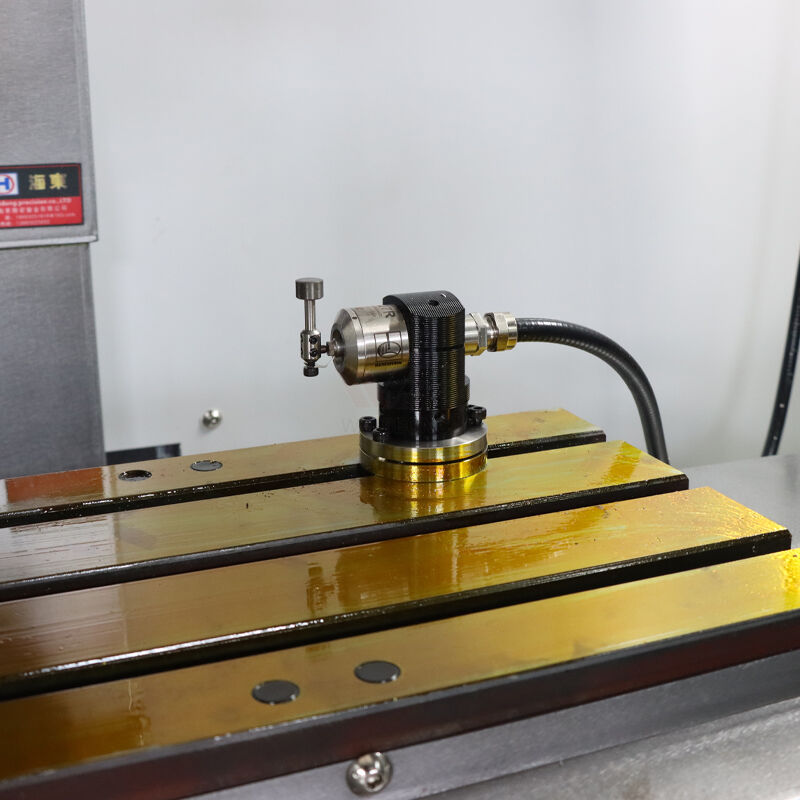
Manufacturing efficiency and cost control have become critical priorities for industrial operations facing increasing global competition and tightening profit margins. Manufacturers across aerospace, automotive, medical device, and general engineering sectors continuously seek technologies that deliver precision while minimizing material waste and operational expenses. CNC milling has emerged as a transformative solution that addresses both challenges simultaneously by combining computer-controlled accuracy with intelligent material removal strategies. This advanced machining method enables manufacturers to achieve tight tolerances, optimize material usage, and streamline production workflows in ways that traditional manufacturing approaches cannot match.
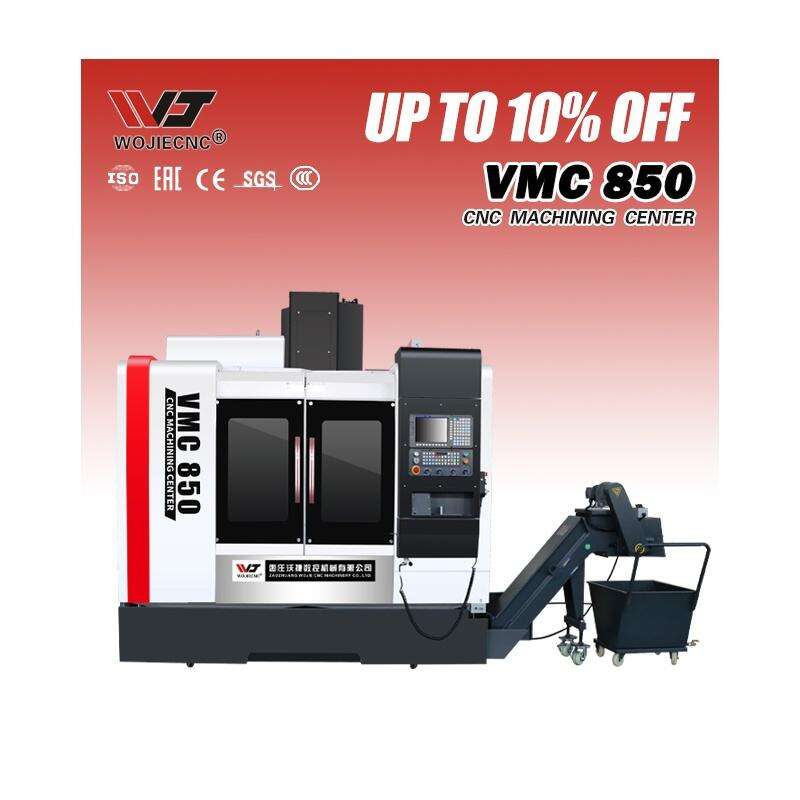
The financial and environmental impact of production waste extends far beyond the immediate cost of raw materials. Scrap metal, excessive tool wear, rework expenses, and energy consumption associated with inefficient machining all contribute to total manufacturing costs. CNC milling directly addresses these waste sources through precise digital control, optimized toolpath planning, and consistent repeatability that eliminates human error. Understanding how CNC milling mechanisms reduce waste and lower costs requires examining the specific technological advantages, operational efficiencies, and strategic implementation approaches that make this technology indispensable for modern manufacturing operations seeking competitive advantage.
Precision Control That Eliminates Material Waste
Digital Accuracy and Dimensional Consistency
CNC milling operates through computer numerical control systems that execute machining operations with micron-level precision across every production cycle. Unlike manual milling where operator skill variations introduce inconsistencies, CNC milling follows programmed coordinates exactly, ensuring each component meets specified dimensions without material overcutting or undercutting. This precision eliminates the need for oversized raw material blanks traditionally used to compensate for manual machining variability. Manufacturers can start with stock materials sized closer to final part dimensions, reducing the volume of material removed and converted to waste chips.
The repeatability inherent in CNC milling systems ensures that dimensional accuracy remains constant whether producing the first part or the ten-thousandth part in a production run. This consistency eliminates costly rework cycles where parts must be scrapped or remachined due to dimensional errors. When manufacturers implement cnc milling technology with proper setup protocols, first-article inspection pass rates typically exceed ninety-five percent, dramatically reducing material waste from rejected components. The financial impact compounds across high-volume production where even small percentage improvements in yield translate to substantial material cost savings.
Optimized Tool Path Planning
Modern CNC milling systems utilize sophisticated CAM software that calculates the most efficient toolpaths for removing material from workpieces. These optimized paths minimize unnecessary tool movements, reduce cycle times, and ensure material removal follows strategic sequences that prevent excessive stock removal. Advanced algorithms analyze part geometry and automatically determine optimal cutting depths, feed rates, and tool engagement angles that remove material efficiently without generating excess waste. This intelligent planning contrasts sharply with conventional machining where operators manually determine cutting sequences based on experience rather than computational optimization.
Toolpath optimization in CNC milling also considers workpiece stability throughout the machining process, ensuring adequate material remains to support cutting forces until final finishing operations. This strategic approach prevents part distortion and vibration that can cause dimensional errors requiring additional material removal or complete part rejection. Manufacturers implementing advanced toolpath strategies report material utilization improvements of fifteen to thirty percent compared to conventional machining approaches, with corresponding reductions in raw material procurement costs and waste disposal expenses.
Near-Net-Shape Manufacturing Capabilities
CNC milling technology enables near-net-shape manufacturing strategies where parts are produced with minimal excess material requiring removal. By programming precise cutting operations that follow final part contours closely, manufacturers minimize the difference between raw material volume and finished component volume. This approach proves particularly valuable when machining expensive materials such as titanium alloys, high-temperature superalloys, or specialized plastics where material costs represent significant portions of total production expenses. Every cubic centimeter of material preserved translates directly to cost savings and reduced waste generation.
The multi-axis capabilities available in advanced CNC milling systems further enhance near-net-shape manufacturing by enabling complex geometries to be machined in single setups with minimal material excess. Five-axis CNC milling centers can approach workpiece features from optimal angles that reduce required material removal while maintaining surface quality and dimensional accuracy. This capability eliminates multiple setups and intermediate forms that traditional machining sequences require, each of which introduces additional material waste through setup allowances and intermediate machining operations.
Operational Efficiency Gains That Lower Production Costs
Reduced Setup Time and Labor Requirements
CNC milling systems dramatically reduce setup times compared to conventional milling operations through digital program storage and automated tool changing capabilities. Once a component program is developed and proven, subsequent production runs require minimal setup beyond workpiece loading and program selection. This efficiency eliminates repeated manual setup procedures where operators spend significant time positioning tools, setting cutting parameters, and verifying dimensions before machining begins. For manufacturers producing multiple part numbers or frequent changeovers, CNC milling setup time reductions typically range from fifty to seventy-five percent compared to manual milling approaches.
Labor cost reductions achieved through CNC milling extend beyond setup time savings to include reduced direct machining supervision requirements. A single skilled operator can often monitor multiple CNC milling machines simultaneously, whereas manual milling requires continuous operator attention throughout each machining cycle. This labor efficiency allows manufacturers to redistribute workforce resources to higher-value activities such as quality control, process optimization, and production planning. The cumulative labor cost savings become particularly significant in high-wage manufacturing environments where labor represents substantial portions of total production costs.
Extended Tool Life Through Optimized Cutting Parameters
CNC milling systems maintain consistent cutting parameters throughout machining operations, ensuring tools operate within optimal performance ranges that maximize tool life. Unlike manual operations where cutting speeds and feeds may vary based on operator judgment or fatigue, CNC milling executes programmed parameters precisely for every cut. This consistency prevents tool overloading, excessive heat generation, and premature wear that occur when cutting conditions deviate from optimal ranges. Manufacturers implementing properly programmed CNC milling operations typically experience tool life improvements of thirty to fifty percent compared to manual machining of similar components.
Advanced CNC milling systems incorporate adaptive control features that monitor cutting forces and automatically adjust parameters to maintain optimal conditions throughout tool life. These intelligent systems detect tool wear progression and compensate by modifying feed rates or cutting speeds to maintain quality while extending usable tool life. The resulting reduction in tool replacement frequency directly lowers cutting tool procurement costs while reducing production interruptions for tool changes. For precision manufacturers using expensive carbide or ceramic cutting tools, these tool life extensions generate substantial cost savings that improve overall manufacturing economics.
Minimized Scrap Through In-Process Quality Control
Modern CNC milling systems integrate in-process measurement and quality verification capabilities that detect dimensional deviations before parts are completed. Probe systems mounted in tool changers can measure critical dimensions during machining cycles and trigger automatic program adjustments or stop production if measurements exceed tolerance limits. This real-time quality control prevents continued production of non-conforming parts that would be scrapped, reducing material waste and the labor costs associated with machining components destined for rejection. Early detection capabilities prove especially valuable in long-cycle machining operations where significant machine time and material value accumulate before final inspection.
The quality consistency achieved through CNC milling also reduces inspection requirements and associated labor costs. When process capability studies demonstrate that CNC milling operations consistently produce parts within specification limits, manufacturers can implement reduced inspection sampling plans rather than inspecting every component. This statistical quality control approach lowers inspection labor costs while maintaining confidence in product conformance. The combination of reduced scrap rates and lower inspection requirements creates compounding cost advantages that significantly improve manufacturing profitability across production volumes.
Strategic Material Utilization Improvements
Intelligent Nesting and Stock Optimization
CNC milling enables sophisticated nesting strategies where multiple parts or features are arranged on raw material stock to maximize material utilization and minimize remnant waste. CAM software analyzes part geometries and calculates optimal positioning patterns that extract maximum value from each material blank or sheet. This computational approach identifies nesting configurations that human planners might overlook, often achieving material utilization rates five to fifteen percent higher than manual nesting methods. For manufacturers processing expensive materials or high-volume production, these utilization improvements translate to substantial annual material cost savings.
The flexibility of CNC milling programming allows manufacturers to adapt nesting strategies dynamically based on available stock sizes and production mix requirements. When remnant materials from previous jobs are available, CNC milling programs can be modified to utilize these pieces efficiently rather than starting new material blanks. This opportunistic material usage reduces waste sent to recycling or disposal while lowering raw material procurement volumes. Manufacturers implementing comprehensive material tracking and nesting optimization report total material waste reductions of twenty to thirty-five percent compared to operations without systematic stock optimization.
Reduced Material Safety Factors
The precision and consistency of CNC milling operations allow manufacturers to reduce material safety factors traditionally incorporated into component designs and raw material specifications. When machining accuracy is uncertain, designers typically add excess material to ensure critical dimensions can be achieved despite process variations. CNC milling eliminates much of this uncertainty through proven process capability, allowing design engineers to specify tighter material allowances and stock sizes closer to final part dimensions. This reduction in safety factors decreases material costs per component while reducing the volume of material that must be removed during machining.
Statistical process control data generated by CNC milling operations provides quantitative evidence of process capability that supports reduced safety factor decisions. When manufacturers document that CNC milling processes consistently achieve capability indices exceeding 1.67 for critical dimensions, engineering teams can confidently reduce material allowances without risking dimensional non-conformance. This data-driven approach to material specification optimization creates a continuous improvement cycle where proven CNC milling performance enables progressively tighter material specifications and corresponding cost reductions over time.
Waste Stream Value Recovery
CNC milling operations generate chips and swarf in predictable sizes and conditions that enhance recyclability and recovery value compared to manual machining waste streams. The consistent cutting parameters and coolant management in CNC milling systems produce cleaner chip materials with less contamination, increasing the value recyclers will pay for these materials. Manufacturers processing aluminum, brass, or stainless steel through CNC milling can often negotiate higher scrap material prices due to the quality and consistency of the waste stream generated. This recovered value partially offsets material costs and reduces net waste disposal expenses.
Some manufacturers implement closed-loop material recovery systems where CNC milling chips are collected, processed, and returned to material suppliers for credit toward new stock purchases. The predictability and cleanliness of CNC milling waste streams make these arrangements more feasible than with mixed or contaminated scrap from conventional machining operations. While not eliminating primary material costs, these recovery programs create additional cost advantages that improve overall manufacturing economics and reduce environmental impact associated with material waste.
Energy Efficiency and Indirect Cost Reductions
Optimized Machining Cycles and Reduced Energy Consumption
CNC milling systems execute optimized machining cycles that minimize non-productive time and reduce total energy consumption per component produced. Rapid traverse movements between cutting operations, efficient tool change sequences, and elimination of manual intervention delays all contribute to shorter cycle times and lower energy usage. Modern CNC milling controllers incorporate energy management features that reduce power consumption during idle periods and optimize spindle speeds for energy efficiency while maintaining quality requirements. These energy optimizations become increasingly important as electricity costs rise and manufacturers seek to reduce operational expenses across all categories.
The cycle time reductions achieved through CNC milling optimization directly translate to increased machine utilization and improved production capacity without adding equipment. When manufacturers reduce per-part cycle times by twenty to thirty percent through optimized CNC milling programming, existing equipment can produce correspondingly higher volumes without capital investment in additional machines. This capacity enhancement distributes fixed costs across larger production volumes, reducing per-unit overhead costs while avoiding the energy consumption increases associated with operating additional equipment.
Reduced Facility Support Requirements
The precision and cleanliness of CNC milling operations often reduce facility support requirements compared to conventional machining environments. Automated coolant delivery systems, integrated chip removal conveyors, and enclosed work envelopes minimize the facility maintenance and cleaning labor required to maintain productive machining environments. These operational efficiencies reduce indirect labor costs and facility overhead expenses that contribute to total manufacturing costs. Additionally, the reduced scrap and waste generation from CNC milling operations lowers waste handling, storage, and disposal logistics costs that represent hidden expenses in manufacturing operations.
Climate control and air quality management costs may also decrease in facilities utilizing CNC milling extensively due to the enclosed nature of modern machining centers and integrated mist collection systems. These environmental control improvements reduce HVAC energy consumption while creating better working conditions that can improve workforce productivity and reduce turnover-related costs. The cumulative effect of these indirect cost reductions complements direct material and labor savings to create comprehensive cost advantages that significantly impact manufacturing profitability.
Predictive Maintenance and Reduced Downtime Costs
Modern CNC milling systems incorporate condition monitoring and predictive maintenance capabilities that reduce unplanned downtime and associated production losses. Sensors monitor spindle vibration, bearing temperatures, and other critical parameters to detect developing maintenance issues before failures occur. This predictive approach allows maintenance activities to be scheduled during planned downtime rather than forcing emergency repairs that halt production unexpectedly. For manufacturers operating lean production systems where downtime creates immediate delivery delays and customer impact, these reliability improvements prevent costly expediting expenses and potential lost sales.
The diagnostic capabilities built into CNC milling control systems also accelerate troubleshooting when issues do occur, reducing mean time to repair and minimizing production losses. Detailed error logs and performance data help maintenance technicians quickly identify root causes rather than conducting time-consuming trial-and-error diagnostics. This efficiency reduces maintenance labor costs while getting production equipment back online faster. The combination of reduced failure frequency and faster repair response creates substantial availability improvements that enhance effective capacity and reduce the total cost of ownership for CNC milling systems.
Implementation Strategies for Maximum Waste and Cost Reduction
Comprehensive Operator Training and Skill Development
Realizing the full waste reduction and cost savings potential of CNC milling requires comprehensive operator training that develops both programming skills and manufacturing process understanding. Operators who understand material properties, cutting mechanics, and tooling selection can optimize CNC milling programs for maximum efficiency rather than simply executing generic programs. Manufacturers investing in advanced training programs typically achieve fifteen to twenty-five percent additional efficiency gains beyond baseline CNC milling advantages through continuous program optimization and process improvement activities driven by skilled operators.
Training programs should address not only CNC milling machine operation but also CAM programming, quality control procedures, and preventive maintenance practices that maintain system performance over time. Cross-training operators across multiple CNC milling platforms and creating programming specialists who support multiple production areas maximize the return on training investments while building organizational capabilities that drive continuous improvement. The knowledge and skills developed through comprehensive training programs become competitive advantages that sustain cost leadership and operational excellence over extended periods.
Data-Driven Process Optimization
Manufacturing data collected from CNC milling systems provides valuable insights for identifying optimization opportunities and quantifying improvement results. Monitoring metrics such as cycle times, tool life, scrap rates, and material utilization across different programs and operators reveals performance variations and best practices that can be standardized across operations. Manufacturers implementing systematic data analysis programs identify specific improvement opportunities worth five to fifteen percent additional cost reductions beyond initial CNC milling implementation benefits. This analytical approach transforms manufacturing from experience-based practices to evidence-based optimization.
Advanced manufacturers integrate CNC milling performance data into overall equipment effectiveness tracking systems that provide comprehensive visibility into production efficiency, quality, and availability metrics. These integrated monitoring approaches reveal correlations between operating parameters and performance outcomes that guide targeted improvement initiatives. Real-time dashboards displaying key performance indicators enable rapid response to developing issues before they create significant waste or cost impacts. The continuous feedback and improvement cycle enabled by comprehensive data systems multiplies the initial advantages of CNC milling technology through sustained operational excellence.
Strategic Technology Investment and Upgrade Planning
Maximizing long-term cost advantages from CNC milling requires strategic technology investment planning that balances current production requirements with future capability needs. While basic three-axis CNC milling provides substantial benefits for many applications, complex geometries and multi-sided machining requirements may justify investment in four-axis or five-axis CNC milling capabilities that eliminate multiple setups and reduce total processing costs. Manufacturers should conduct thorough cost-benefit analyses that consider not only equipment acquisition costs but also long-term savings from reduced cycle times, improved quality, and enhanced flexibility that advanced CNC milling systems provide.
Technology upgrade planning should also address control system capabilities, automation integration potential, and compatibility with emerging Industry 4.0 technologies that will shape future manufacturing environments. CNC milling systems with open architecture controls and robust communication capabilities enable integration with manufacturing execution systems, automated material handling equipment, and collaborative robots that further reduce labor costs and improve efficiency. Forward-looking technology investments position manufacturers to capture emerging opportunities while protecting against premature obsolescence that would force costly replacement investments sooner than economically optimal.
FAQ
What percentage of material cost savings can manufacturers typically achieve by implementing CNC milling?
Material cost savings from CNC milling implementation typically range from fifteen to thirty percent depending on component complexity, material type, and previous manufacturing methods used. Manufacturers transitioning from manual milling generally achieve higher savings percentages than those upgrading from older CNC systems. The most significant savings occur with expensive materials like titanium or specialized alloys where precision material utilization has dramatic cost impact. Actual savings percentages depend on specific application characteristics, but most manufacturers document measurable material cost reductions within the first year of CNC milling adoption that justify the technology investment.
How does CNC milling reduce labor costs compared to conventional machining methods?
CNC milling reduces labor costs through multiple mechanisms including decreased setup times, reduced direct supervision requirements, and elimination of manual operation interventions. A single operator can often monitor two to four CNC milling machines simultaneously compared to the one-to-one operator-to-machine ratio typical in manual milling. Setup time reductions of fifty to seventy percent decrease non-productive labor while automated operation eliminates continuous operator attention during cutting cycles. Additionally, the quality consistency of CNC milling reduces inspection labor and rework time. Total labor cost reductions typically range from thirty to fifty percent per component produced when comprehensively accounting for all labor categories affected by CNC milling implementation.
Can small manufacturers with limited production volumes benefit from CNC milling waste and cost reductions?
Small manufacturers and job shops definitely benefit from CNC milling despite lower production volumes, though the economics differ somewhat from high-volume operations. The precision and repeatability advantages of CNC milling reduce scrap and rework costs even in small batch production, while setup time reductions prove particularly valuable when producing diverse part mixes with frequent changeovers. Small manufacturers often achieve faster return on investment through productivity improvements and capacity expansion enabled by CNC milling rather than purely through material savings. Additionally, the quality consistency of CNC milling helps small manufacturers compete for precision work that commands premium pricing, improving revenue while reducing waste-related costs. Modern compact CNC milling systems sized appropriately for small shop requirements make the technology accessible at investment levels that align with smaller operational scales.
What maintenance requirements does CNC milling equipment have and how do these affect total cost of ownership?
CNC milling systems require regular preventive maintenance including lubrication system service, coolant management, way cleaning, and periodic accuracy verification to maintain performance and reliability. While these maintenance requirements represent ongoing costs, they are generally predictable and manageable compared to the repair costs and downtime associated with poorly maintained equipment. Modern CNC milling systems with automated lubrication and integrated condition monitoring reduce manual maintenance labor while providing early warning of developing issues. Total maintenance costs typically represent three to five percent of equipment value annually when proper preventive programs are followed. This maintenance investment protects the precision and reliability that enable waste reduction and cost savings, making it essential rather than optional. Manufacturers should budget appropriately for maintenance while recognizing that well-maintained CNC milling systems deliver consistent cost advantages that far exceed maintenance expenses over equipment lifecycles spanning fifteen to twenty-five years.
Table of Contents
- Precision Control That Eliminates Material Waste
- Operational Efficiency Gains That Lower Production Costs
- Strategic Material Utilization Improvements
- Energy Efficiency and Indirect Cost Reductions
- Implementation Strategies for Maximum Waste and Cost Reduction
-
FAQ
- What percentage of material cost savings can manufacturers typically achieve by implementing CNC milling?
- How does CNC milling reduce labor costs compared to conventional machining methods?
- Can small manufacturers with limited production volumes benefit from CNC milling waste and cost reductions?
- What maintenance requirements does CNC milling equipment have and how do these affect total cost of ownership?

