
 EN
EN



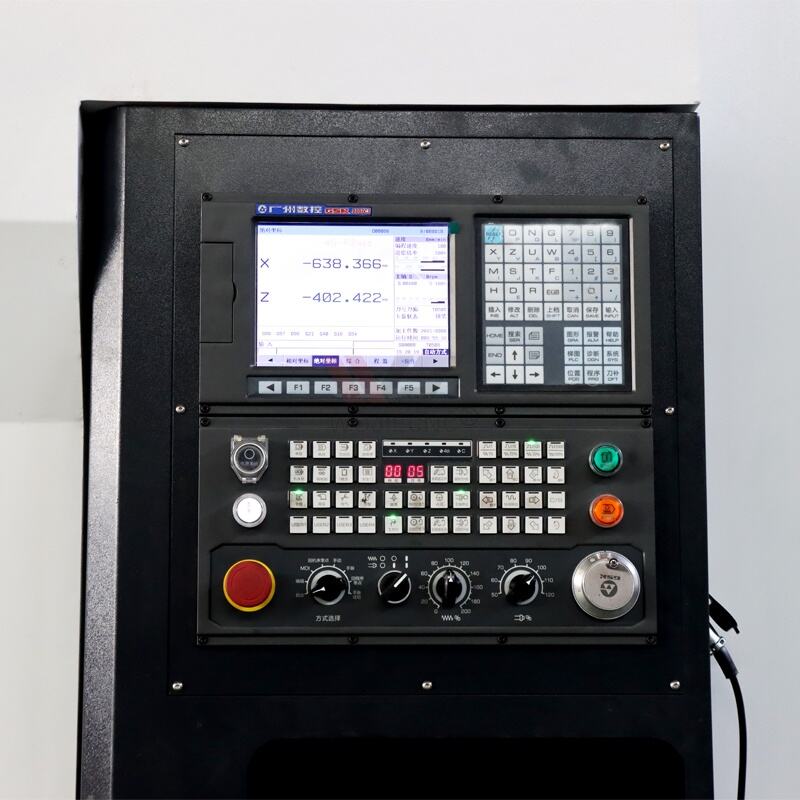
Precision manufacturing demands exceptional accuracy, making the selection of the right lathe machine a critical decision for any machining operation. Modern industrial environments require equipment that delivers consistent, repeatable results while maintaining tight tolerances across various materials and applications. Understanding the fundamental importance of accuracy when choosing a lathe machine can significantly impact production quality, operational efficiency, and overall manufacturing success.
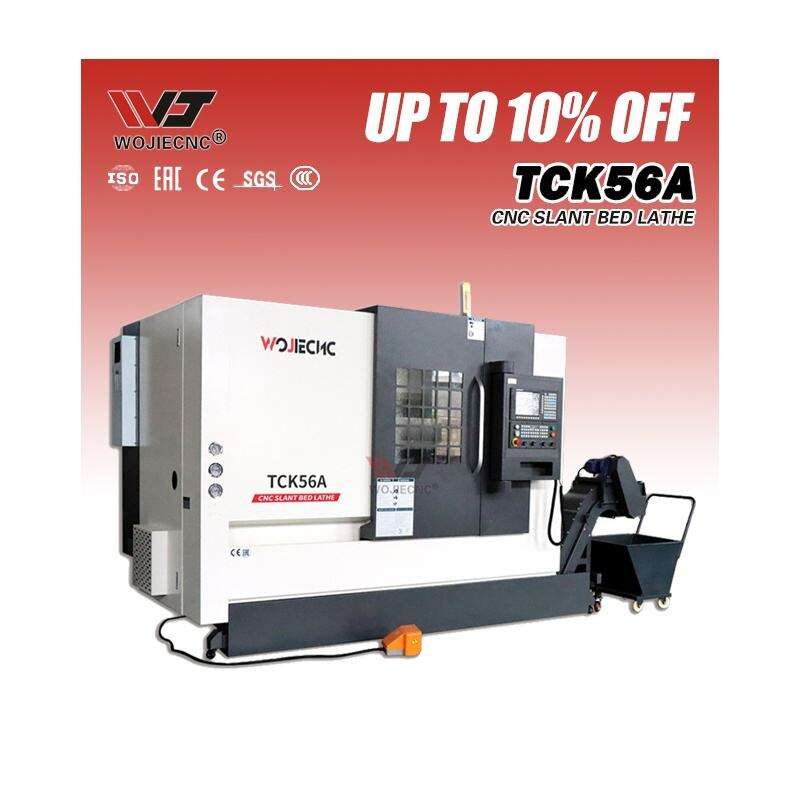
The manufacturing landscape has evolved dramatically, with industries demanding increasingly precise components for aerospace, automotive, medical, and electronics applications. A high-quality lathe machine serves as the foundation for achieving these stringent requirements, enabling manufacturers to produce parts that meet exact specifications while minimizing waste and rework costs.
Understanding Accuracy Requirements in Modern Manufacturing
Tolerance Standards and Industry Specifications
Manufacturing tolerance standards have become increasingly stringent across multiple industries, requiring lathe machine operators to achieve precision levels that were once considered impossible. Aerospace components typically demand tolerances within ±0.0001 inches, while medical device manufacturing often requires even tighter specifications. These exacting standards necessitate selecting a lathe machine capable of consistently delivering such precision without compromising production speed or efficiency.
Industry specifications continue to evolve as technology advances, with modern applications requiring complex geometries and surface finishes that challenge traditional machining capabilities. A precision lathe machine must accommodate these evolving requirements while maintaining dimensional accuracy throughout extended production runs. Understanding specific industry tolerance requirements helps manufacturers make informed decisions about equipment capabilities and investment priorities.
Quality Control and Measurement Systems
Effective quality control systems integrate seamlessly with accurate lathe machine operations, ensuring consistent part quality throughout production cycles. Advanced measurement technologies, including coordinate measuring machines and laser interferometry, verify dimensional accuracy and surface quality parameters. These systems work in conjunction with precision lathe machine capabilities to establish comprehensive quality assurance protocols.
Real-time monitoring systems provide continuous feedback about lathe machine performance, enabling operators to make immediate adjustments when deviations occur. Statistical process control methods help identify trends and potential issues before they impact part quality. This integrated approach to quality control relies heavily on the inherent accuracy capabilities of the selected lathe machine to maintain consistent results.
Critical Factors Affecting Lathe Machine Accuracy
Structural Rigidity and Machine Design
The structural foundation of a lathe machine directly influences its ability to maintain accuracy under various operating conditions. Heavy-duty cast iron construction provides superior vibration dampening and thermal stability compared to lighter materials. Proper machine design incorporates reinforced ways, precision-ground surfaces, and optimized geometry to minimize deflection during cutting operations.
Advanced lathe machine designs feature slant bed configurations that improve chip evacuation while maintaining structural integrity. These design elements contribute to enhanced accuracy by reducing thermal distortion and maintaining consistent tool positioning throughout machining cycles. Machine manufacturers invest significant resources in finite element analysis to optimize structural designs for maximum rigidity and accuracy.
Spindle Technology and Bearing Systems
High-precision spindle systems form the heart of any accurate lathe machine, with bearing technology playing a crucial role in maintaining rotational accuracy and surface finish quality. Premium bearing systems utilize preloaded angular contact bearings or ceramic hybrid bearings to achieve superior runout specifications. These advanced bearing configurations enable the lathe machine to maintain consistent accuracy even at high spindle speeds.
Spindle thermal management systems prevent accuracy degradation caused by temperature variations during extended operation. Modern lathe machine designs incorporate cooling systems, thermal compensation algorithms, and temperature monitoring to maintain dimensional stability. The integration of these technologies ensures that spindle accuracy remains consistent throughout production runs, regardless of operating conditions.
Impact of Accuracy on Production Outcomes
Cost Reduction and Efficiency Gains
Investing in an accurate lathe machine delivers significant cost savings through reduced scrap rates, minimized rework requirements, and improved first-pass yield. Precision machining capabilities eliminate the need for secondary operations in many applications, reducing handling time and associated labor costs. These efficiency gains compound over time, making accuracy a valuable long-term investment for manufacturing operations.
Accurate lathe machine operations enable lights-out manufacturing capabilities, where unattended production runs maintain consistent quality without operator intervention. This automation potential significantly improves overall equipment effectiveness while reducing labor costs. The ability to maintain accuracy during extended unmanned operations provides manufacturers with competitive advantages in high-volume production scenarios.
Customer Satisfaction and Market Competitiveness
Manufacturing companies that consistently deliver accurate parts build stronger customer relationships and enhance their market reputation. A reliable lathe machine enables manufacturers to meet delivery commitments while maintaining quality standards that exceed customer expectations. This reliability translates into repeat business opportunities and positive word-of-mouth referrals within industry networks.
Market competitiveness increasingly depends on the ability to produce complex parts with tight tolerances at competitive prices. Companies equipped with accurate lathe machine technology can bid on projects that require premium precision capabilities. This expanded market access creates new revenue opportunities and helps establish the manufacturer as a preferred supplier for critical applications.
Technology Considerations for Accuracy Enhancement
Control System Integration and Software
Modern lathe machine control systems incorporate advanced algorithms that compensate for thermal expansion, tool wear, and machine deflection to maintain accuracy throughout production runs. These intelligent control systems continuously monitor operating parameters and make real-time adjustments to preserve dimensional accuracy. Software integration enables predictive maintenance scheduling and performance optimization based on historical accuracy data.
Computer-aided manufacturing software works in conjunction with lathe machine control systems to optimize cutting parameters for specific materials and geometries. These integrated systems ensure that programmed tool paths maintain accuracy while maximizing material removal rates. The synergy between advanced software and precision hardware creates manufacturing capabilities that exceed traditional machining limitations.
Tool Management and Workholding Systems
Precision tool management systems ensure that cutting tools maintain proper positioning and geometry throughout the machining process. Advanced tool holders and presetting systems eliminate runout and provide repeatable tool positioning accuracy. These systems work in conjunction with the lathe machine spindle to deliver consistent cutting performance and dimensional accuracy.
Workholding technology plays an equally important role in maintaining accuracy during lathe machine operations. Precision chucks, collets, and fixtures must provide secure clamping without inducing part distortion. The selection of appropriate workholding solutions depends on part geometry, material properties, and accuracy requirements specific to each application.
Maintenance and Calibration for Sustained Accuracy
Preventive Maintenance Protocols
Systematic preventive maintenance programs preserve lathe machine accuracy through regular inspection, lubrication, and component replacement schedules. These programs identify potential accuracy issues before they impact production quality, minimizing unexpected downtime and maintaining consistent part quality. Proper maintenance documentation enables trend analysis and predictive maintenance optimization.
Temperature monitoring and environmental control contribute significantly to maintaining lathe machine accuracy over time. Consistent operating temperatures prevent thermal expansion issues that can compromise dimensional accuracy. Climate-controlled manufacturing environments provide stable conditions that support precision machining operations and extend equipment service life.
Calibration and Verification Procedures
Regular calibration procedures verify that lathe machine accuracy remains within specified parameters throughout its operational life. These procedures typically involve using certified measurement standards and following established protocols to assess dimensional accuracy, geometric accuracy, and positioning repeatability. Documentation of calibration results provides traceability and supports quality system requirements.
Automated verification systems can perform routine accuracy checks without interrupting production schedules. These systems use integrated probing technology to measure reference artifacts and compare results against established baselines. Automated verification enables continuous monitoring of lathe machine accuracy and provides early warning of potential issues that require attention.
FAQ
How does lathe machine accuracy affect part quality and manufacturing costs
Lathe machine accuracy directly correlates with part quality by ensuring dimensional consistency, surface finish requirements, and geometric tolerances are met reliably. Higher accuracy reduces scrap rates, eliminates costly rework operations, and enables first-pass acceptance of manufactured parts. This translates into lower overall manufacturing costs, improved delivery performance, and enhanced customer satisfaction through consistent quality delivery.
What are the most critical specifications to evaluate when assessing lathe machine accuracy
Key accuracy specifications include spindle runout, positioning repeatability, geometric accuracy of machine ways, thermal stability characteristics, and dynamic accuracy under cutting loads. Spindle runout typically should be less than 0.0001 inches for precision applications, while positioning repeatability should achieve ±0.00005 inches or better. Geometric accuracy specifications ensure that the lathe machine maintains proper relationships between all axes during operation.
How can manufacturers maintain lathe machine accuracy throughout its operational lifetime
Maintaining lathe machine accuracy requires implementing comprehensive preventive maintenance programs, regular calibration verification, proper environmental controls, and operator training initiatives. Temperature stability, vibration isolation, and contamination control significantly impact long-term accuracy preservation. Regular inspection of critical components, including spindle bearings, ways, and measuring systems, enables proactive replacement before accuracy degradation occurs.
What role does environmental control play in maintaining lathe machine accuracy
Environmental factors such as temperature fluctuations, vibration, and airborne contaminants can significantly impact lathe machine accuracy over time. Temperature variations cause thermal expansion and contraction that affect dimensional accuracy, while vibration from nearby equipment can introduce positioning errors. Controlling these environmental factors through climate control systems, vibration isolation, and contamination barriers helps maintain consistent accuracy throughout production operations.
Table of Contents
- Understanding Accuracy Requirements in Modern Manufacturing
- Critical Factors Affecting Lathe Machine Accuracy
- Impact of Accuracy on Production Outcomes
- Technology Considerations for Accuracy Enhancement
- Maintenance and Calibration for Sustained Accuracy
-
FAQ
- How does lathe machine accuracy affect part quality and manufacturing costs
- What are the most critical specifications to evaluate when assessing lathe machine accuracy
- How can manufacturers maintain lathe machine accuracy throughout its operational lifetime
- What role does environmental control play in maintaining lathe machine accuracy

