
 EN
EN



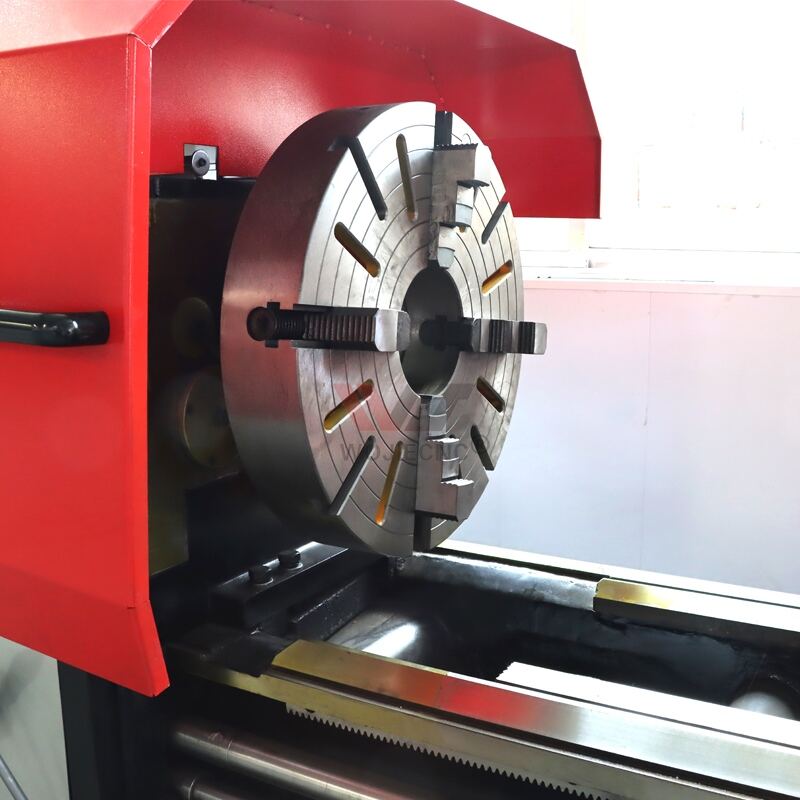
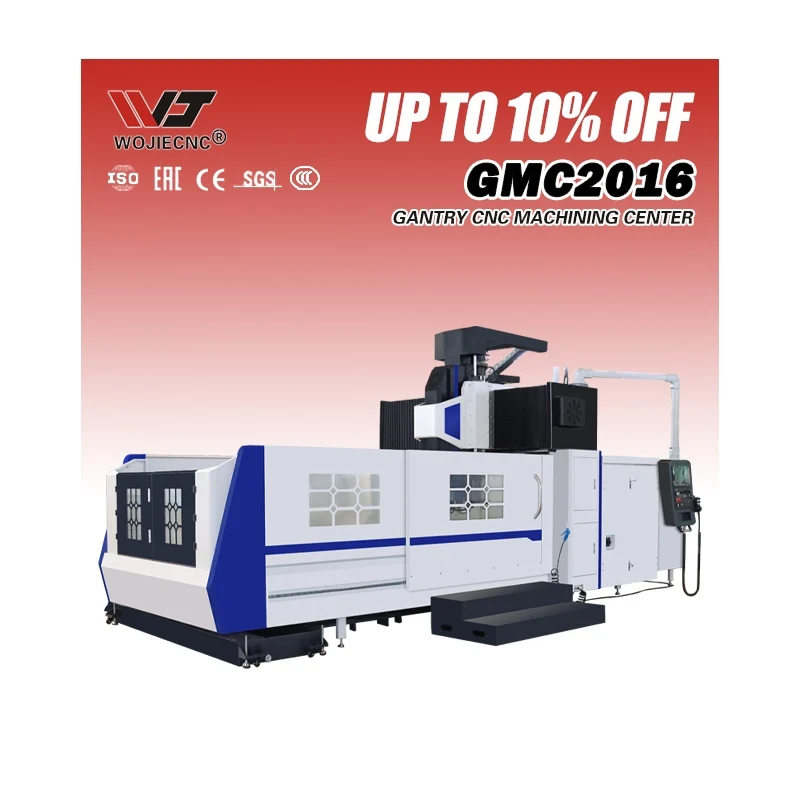
Achieving superior surface quality in precision manufacturing requires sophisticated equipment capable of delivering consistent results across diverse materials and geometries. Modern manufacturing environments demand exceptional surface finishes that meet stringent quality standards while maintaining cost-effectiveness and production efficiency. The milling machine has emerged as a cornerstone technology for achieving these demanding surface quality requirements in precision parts manufacturing.
Understanding Surface Quality Fundamentals in Precision Manufacturing
Surface Roughness Parameters and Measurement Standards
Surface quality encompasses multiple measurable parameters that directly impact component performance and functionality. The primary indicators include surface roughness average (Ra), root mean square roughness (Rq), and maximum height of irregularities (Rz). These measurements determine how effectively a milling machine can produce parts that meet specified tolerances and performance requirements.
Industry standards such as ISO 4287 and ASME B46.1 provide comprehensive frameworks for evaluating surface characteristics. A properly configured milling machine can consistently achieve Ra values below 0.8 micrometers on most metallic materials, with specialized setups capable of reaching even finer finishes. Understanding these parameters enables manufacturers to select appropriate machining strategies and optimize their milling machine operations for specific surface quality objectives.
Factors Influencing Surface Finish Quality
Multiple interconnected variables affect the final surface quality achieved by any milling machine operation. Feed rates, spindle speeds, depth of cut, and tool geometry work together to determine the resulting surface characteristics. The material properties, including hardness, grain structure, and chemical composition, also play crucial roles in determining the optimal machining parameters for achieving desired surface quality.
Environmental factors such as temperature control, vibration dampening, and cutting fluid application significantly influence surface quality outcomes. A high-performance milling machine equipped with advanced environmental controls can maintain consistent surface finishes even under challenging production conditions. The interaction between these variables requires careful consideration and optimization to maximize surface quality while maintaining productive manufacturing rates.
Advanced Milling Machine Technologies for Surface Enhancement
Precision Spindle Systems and Their Impact
The spindle system represents the heart of any milling machine, directly influencing surface quality through its rotational accuracy and stability. High-speed spindles with precision bearings minimize runout and vibration, resulting in smoother surface finishes and tighter dimensional tolerances. Advanced spindle designs incorporate temperature compensation and active vibration control to maintain consistent performance throughout extended machining cycles.
Modern milling machine spindles often feature variable speed capabilities that allow operators to optimize cutting conditions for different materials and surface requirements. Spindle speeds can be precisely controlled to maintain optimal surface velocities while minimizing tool wear and heat generation. The combination of rigid construction and sophisticated control systems enables these spindles to deliver exceptional surface quality across a wide range of machining applications.
Cutting Tool Technology and Surface Interaction
Cutting tool selection and geometry significantly impact the surface quality achievable with any milling machine. Advanced tool coatings, precise edge preparation, and optimized rake angles contribute to improved surface finishes while extending tool life. Carbide and ceramic cutting tools offer superior hardness and wear resistance, enabling the milling machine to maintain consistent surface quality over extended production runs.
Tool path optimization and cutting strategy selection further enhance surface quality outcomes. Climb milling techniques, when properly implemented, can produce superior surface finishes compared to conventional milling approaches. The milling machine control system must coordinate tool movements with precise timing to execute these advanced cutting strategies effectively.
Optimizing Machining Parameters for Superior Surface Quality
Feed Rate and Speed Relationships
The relationship between feed rate and spindle speed fundamentally determines surface quality in milling machine operations. Lower feed rates generally produce smoother surface finishes but may increase production time and tool wear. The optimal balance requires consideration of material properties, tool geometry, and desired surface characteristics. A well-calibrated milling machine allows for precise adjustment of these parameters to achieve specific surface quality targets.
Surface speed calculations help determine the ideal spindle speed for different tool diameters and materials. Maintaining consistent surface speeds across varying tool sizes ensures uniform surface quality throughout complex machining operations. Modern milling machine control systems can automatically adjust spindle speeds when tool changes occur, maintaining optimal cutting conditions without operator intervention.
Depth of Cut and Surface Finish Correlation
Depth of cut selection directly influences both surface quality and productivity in milling machine operations. Shallow cuts typically produce better surface finishes but require more passes to complete the machining operation. The milling machine structure must provide sufficient rigidity to maintain accuracy during light finishing passes while also handling heavier roughing operations effectively.
Multi-pass strategies often combine aggressive roughing with fine finishing operations to optimize both productivity and surface quality. The milling machine programming must coordinate these different cutting phases to ensure smooth transitions and consistent surface characteristics. Advanced control systems can automatically adjust cutting parameters between roughing and finishing operations to maximize efficiency while maintaining surface quality standards.
Material Considerations and Surface Quality Optimization
Metallic Materials and Machining Strategies
Different metallic materials require specific approaches to achieve optimal surface quality when using a milling machine. Aluminum alloys typically machine easily and can achieve excellent surface finishes with appropriate cutting speeds and sharp tools. Steel materials may require slower speeds and more robust tool selection to prevent work hardening and maintain surface quality throughout the machining process.
Titanium and other aerospace materials present unique challenges for milling machine operations due to their tendency to work harden and generate heat. Specialized cutting tools, controlled feed rates, and effective coolant application become critical for maintaining surface quality when machining these demanding materials. The milling machine cooling system must provide adequate heat removal to prevent thermal damage to both the workpiece and cutting tools.
Non-Metallic Materials and Specialized Techniques
Composite materials and plastics require different milling machine approaches to achieve optimal surface quality. These materials often benefit from higher cutting speeds and specific tool geometries designed to minimize fiber pullout or melting. The milling machine spindle system must provide smooth operation at these higher speeds while maintaining precision and stability.
Ceramic and other hard materials may require specialized grinding operations or diamond-coated tools to achieve desired surface quality. The milling machine must provide adequate power and rigidity to handle these demanding cutting conditions while maintaining dimensional accuracy. Proper workholding becomes especially critical when machining brittle materials to prevent chipping or cracking that could compromise surface quality.
Quality Control and Measurement Systems
In-Process Monitoring Technologies
Modern milling machine installations increasingly incorporate real-time monitoring systems to ensure consistent surface quality throughout production runs. Vibration sensors, acoustic emission monitoring, and cutting force measurement provide immediate feedback on machining conditions that could affect surface finish. These systems enable operators to make adjustments before surface quality issues develop, reducing scrap and improving overall efficiency.
Adaptive control systems can automatically adjust milling machine parameters based on monitored conditions to maintain optimal surface quality. These systems learn from previous operations and can predict when adjustments are needed to compensate for tool wear, material variations, or environmental changes. The integration of artificial intelligence with milling machine controls promises even more sophisticated surface quality optimization in future manufacturing systems.
Post-Process Surface Analysis
Comprehensive surface quality evaluation requires sophisticated measurement equipment and analysis techniques. Profilometers, interferometers, and scanning electron microscopes provide detailed characterization of surface features produced by milling machine operations. This analysis helps identify optimization opportunities and validates the effectiveness of specific machining strategies.
Statistical process control methods applied to surface quality measurements help identify trends and variations that could indicate milling machine maintenance needs or process drift. Regular analysis of surface quality data enables continuous improvement in manufacturing processes and helps maintain consistent quality standards across extended production runs.
Economic Impact of Surface Quality Optimization
Cost-Benefit Analysis of Surface Quality Improvements
Investing in advanced milling machine capabilities for improved surface quality often provides significant economic returns through reduced secondary operations and improved product performance. Parts with superior surface finishes may eliminate the need for grinding, polishing, or other finishing operations, reducing overall manufacturing costs and lead times. The milling machine becomes more versatile when it can produce finished surfaces directly without additional processing.
Quality-related cost reductions include decreased scrap rates, reduced warranty claims, and improved customer satisfaction. A milling machine that consistently produces parts meeting surface quality specifications reduces inspection time and eliminates costly rework operations. These savings often justify the investment in advanced milling machine technology and optimization programs.
Productivity Enhancement Through Surface Quality Focus
Optimizing milling machine operations for surface quality often improves overall productivity through reduced cycle times and elimination of secondary operations. Parts that meet surface quality requirements directly from the milling machine can proceed immediately to assembly or shipment, reducing work-in-process inventory and floor space requirements.
Employee training focused on surface quality optimization helps operators understand the relationships between machining parameters and results. This knowledge enables them to make informed decisions about milling machine setup and operation, leading to more consistent results and reduced supervision requirements. The investment in training pays dividends through improved efficiency and quality consistency.
FAQ
What spindle speed should be used for optimal surface quality on a milling machine?
Optimal spindle speed depends on the material being machined, tool diameter, and desired surface finish. Generally, higher speeds produce better surface finishes in softer materials like aluminum, while harder materials may require moderate speeds to prevent tool wear. Most milling machine operations achieve excellent surface quality with surface speeds between 300-800 feet per minute, adjusted based on specific material and tool combinations. The key is maintaining consistent surface speed as tool diameter changes during the operation.
How does feed rate affect surface roughness in milling machine operations?
Feed rate directly impacts surface roughness, with lower feed rates generally producing smoother finishes. However, extremely low feed rates can cause rubbing and work hardening, potentially degrading surface quality. The optimal feed rate balances surface finish requirements with productivity goals, typically ranging from 0.001 to 0.010 inches per tooth depending on the application. Modern milling machine controls allow precise feed rate adjustment to achieve specific surface roughness targets while maintaining efficient production rates.
What role does cutting fluid play in achieving better surface quality?
Cutting fluid serves multiple functions that directly impact surface quality in milling machine operations. It provides cooling to prevent thermal damage, lubrication to reduce friction and built-up edge formation, and chip evacuation to prevent recutting of previously machined surfaces. Proper fluid selection and delivery pressure are critical for optimal results. Flood cooling, mist application, and high-pressure coolant systems each offer advantages for different milling machine applications and surface quality requirements.
How can tool selection improve surface finish quality on a milling machine?
Tool selection significantly impacts surface quality through geometry, coating, and material considerations. Sharp cutting edges with minimal radius produce better finishes than worn or improperly prepared tools. Positive rake angles generally improve surface finish by reducing cutting forces, while appropriate relief angles prevent rubbing. Tool coatings like TiAlN or diamond-like carbon can improve surface quality by reducing friction and built-up edge formation. The milling machine must provide adequate rigidity and accuracy to take full advantage of premium cutting tools designed for superior surface finishes.
Table of Contents
- Understanding Surface Quality Fundamentals in Precision Manufacturing
- Advanced Milling Machine Technologies for Surface Enhancement
- Optimizing Machining Parameters for Superior Surface Quality
- Material Considerations and Surface Quality Optimization
- Quality Control and Measurement Systems
- Economic Impact of Surface Quality Optimization
-
FAQ
- What spindle speed should be used for optimal surface quality on a milling machine?
- How does feed rate affect surface roughness in milling machine operations?
- What role does cutting fluid play in achieving better surface quality?
- How can tool selection improve surface finish quality on a milling machine?

