
 EN
EN


Manufacturing facilities worldwide are constantly seeking ways to optimize their production processes and maximize operational efficiency. Among the most transformative pieces of equipment in modern factories, the milling machine stands out as a cornerstone technology that can dramatically enhance workflow productivity. These precision instruments have evolved from basic manual operations to sophisticated computer-controlled systems that deliver unprecedented accuracy and speed in material processing. When properly integrated into factory operations, a milling machine becomes more than just a manufacturing tool—it transforms into a strategic asset that streamlines production workflows and drives competitive advantage.
Understanding Modern Milling Machine Technology
Evolution from Manual to CNC Systems
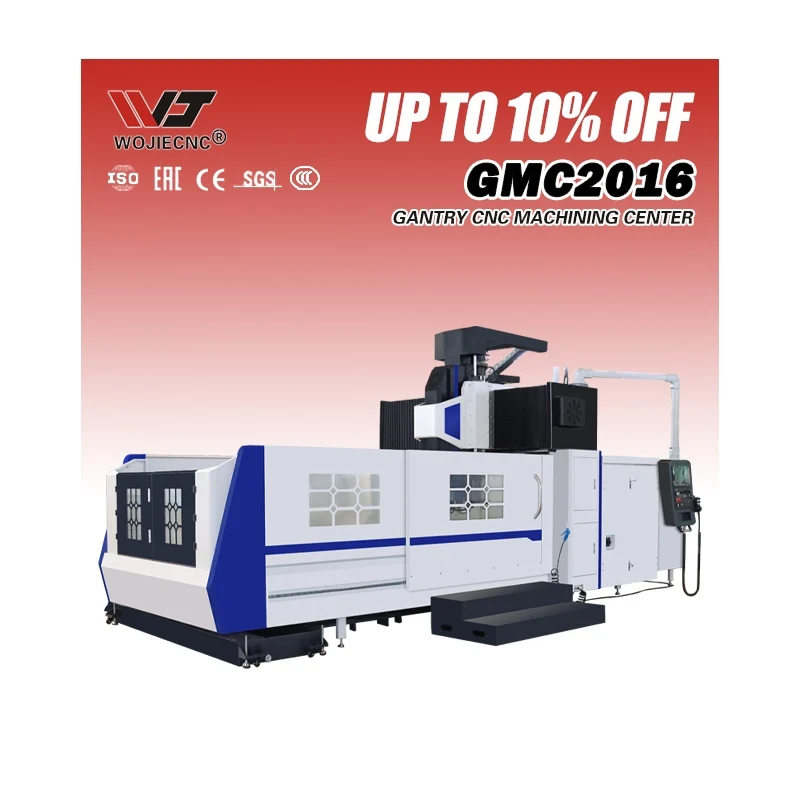
The transformation of milling machine technology represents one of the most significant advances in manufacturing automation. Traditional manual milling machines required skilled operators to manually control cutting parameters, tool positioning, and material feed rates. Modern CNC milling machines have revolutionized this process by incorporating computer numerical control systems that execute precise programmed instructions with minimal human intervention. This technological leap enables factories to achieve consistent quality output while reducing the dependency on highly specialized labor. The integration of advanced servo motors, linear encoders, and sophisticated control software allows contemporary milling machine systems to maintain tolerances within micrometers consistently.
Contemporary milling machine designs incorporate multiple axis configurations that enable complex three-dimensional machining operations in a single setup. Five-axis milling machines can rotate and tilt workpieces to access multiple surfaces without repositioning, significantly reducing cycle times and improving part accuracy. The ability to perform multiple operations simultaneously eliminates the need for secondary machining processes and reduces material handling between different workstations. Advanced tool changers can automatically select and install different cutting tools based on programmed sequences, further minimizing operator intervention and maximizing uptime.
Precision Control and Automation Features
Modern milling machine systems incorporate sophisticated feedback mechanisms that continuously monitor cutting forces, spindle vibration, and tool wear conditions. These real-time monitoring capabilities enable predictive maintenance strategies that prevent unexpected equipment failures and costly production interruptions. Adaptive control systems can automatically adjust cutting parameters based on material properties and tool conditions, optimizing performance while extending tool life. The integration of artificial intelligence and machine learning algorithms allows milling machine systems to continuously improve their performance based on historical production data and operational patterns.
Temperature compensation systems in advanced milling machine designs automatically adjust for thermal expansion and contraction effects that can impact dimensional accuracy. Environmental sensors monitor ambient conditions and machine temperatures to maintain consistent precision throughout extended production runs. Automatic workpiece measurement and compensation systems can detect dimensional variations and make real-time adjustments to maintain tight tolerances without stopping production. These technological advances enable factories to achieve unprecedented levels of quality consistency while minimizing waste and rework.
Workflow Integration Strategies
Production Planning and Scheduling Optimization
Effective milling machine integration requires comprehensive production planning that considers machine capabilities, material requirements, and delivery schedules. Advanced manufacturing execution systems can coordinate milling machine operations with upstream and downstream processes to minimize bottlenecks and maximize throughput. Real-time production monitoring enables dynamic scheduling adjustments that respond to changing priorities and unexpected disruptions. The ability to simulate machining operations before actual production allows planners to optimize tool paths, minimize cycle times, and identify potential issues before they impact delivery schedules.
Predictive scheduling algorithms can analyze historical performance data to estimate realistic completion times and resource requirements for milling machine operations. Integration with enterprise resource planning systems enables seamless coordination between production planning, inventory management, and customer delivery commitments. Automated work order generation and priority assignment ensure that milling machine operators receive clear instructions and have access to all necessary materials and tooling. This systematic approach to production planning maximizes milling machine utilization while maintaining flexibility to accommodate rush orders and engineering changes.
Material Flow and Inventory Management
Streamlined material handling systems are essential for maximizing milling machine productivity and minimizing non-productive time. Automated material handling systems can deliver raw materials and remove finished parts without interrupting machining operations. Just-in-time inventory strategies ensure that necessary materials are available when needed without excessive storage requirements. The integration of barcode scanning and RFID tracking systems enables real-time visibility into material locations and processing status throughout the factory workflow.
Centralized tool management systems coordinate cutting tool availability and condition monitoring across multiple milling machine operations. Predictive tool replacement schedules based on usage data and cutting conditions help prevent unexpected tool failures that can interrupt production. Automated tool setting and measurement systems reduce setup times and improve accuracy when changing between different machining operations. These coordinated systems ensure that milling machine operations have continuous access to properly conditioned tools and materials without delays or quality issues.
Productivity Enhancement Techniques
Setup Time Reduction Methods
Minimizing setup and changeover times is critical for maximizing milling machine utilization and responding quickly to changing production requirements. Standardized workholding systems enable rapid part loading and positioning with consistent accuracy across different job setups. Pre-setting tools offline while the milling machine continues production eliminates non-productive time associated with tool changes and adjustments. Modular fixturing systems allow operators to prepare multiple setups simultaneously and quickly exchange complete workholding assemblies between jobs.
Digital work instructions and augmented reality systems can guide operators through complex setup procedures while reducing the likelihood of errors and rework. Automated part inspection and measurement systems verify setup accuracy before beginning production, preventing costly mistakes and material waste. Quick-change tool holders and standardized tool setting procedures minimize the time required for tool changes and adjustments. These systematic approaches to setup reduction can dramatically improve milling machine productivity by maximizing the percentage of time spent in productive cutting operations.
Quality Control Integration
Integrated quality control systems enable real-time monitoring and adjustment of milling machine operations to maintain consistent part quality. In-process measurement systems can detect dimensional variations and automatically adjust cutting parameters to correct trending conditions. Statistical process control algorithms analyze measurement data to identify patterns that indicate potential quality issues before they result in defective parts. Automated inspection systems can verify critical dimensions and surface finishes without removing parts from the milling machine workspace.
Traceability systems capture detailed records of all processing parameters, tool conditions, and quality measurements for each part produced on the milling machine. This comprehensive documentation enables rapid identification and correction of quality issues while supporting continuous improvement initiatives. Integration with customer quality requirements and specifications ensures that all milling machine operations meet or exceed required standards. Advanced quality control systems can automatically adjust processes based on feedback from downstream operations or final inspection results.
Advanced Manufacturing Capabilities
Multi-Axis Machining Applications
Five-axis milling machine configurations enable the production of complex geometries that would require multiple setups on conventional three-axis equipment. The ability to maintain optimal cutting tool orientation throughout the machining process improves surface finishes and extends tool life while reducing cycle times. Complex aerospace components, medical implants, and automotive parts can be completed in single setups that eliminate positioning errors and reduce handling requirements. The simultaneous movement of multiple axes enables efficient machining of undercuts, deep pockets, and intricate contoured surfaces that are impossible with conventional milling machine operations.
Advanced CAM software optimizes tool paths for multi-axis milling machine operations by considering collision avoidance, surface quality requirements, and cutting tool capabilities. Continuous five-axis interpolation enables smooth transitions between cutting moves that minimize vibration and improve surface finishes. The ability to tilt and rotate workpieces during machining operations provides access to multiple part features without repositioning, significantly reducing total cycle times. These capabilities make multi-axis milling machine systems ideal for high-value, low-volume production where flexibility and precision are paramount.
High-Speed Machining Technologies
High-speed milling machine operations can dramatically reduce cycle times while improving surface quality through increased spindle speeds and optimized cutting strategies. Advanced spindle technologies enable cutting speeds that were previously impossible while maintaining the precision required for demanding applications. Lightweight materials and aluminum alloys particularly benefit from high-speed machining approaches that can achieve excellent surface finishes directly from the milling machine without secondary operations. The combination of high spindle speeds with small depth cuts enables efficient material removal while minimizing heat generation and tool wear.
Adaptive machining strategies automatically adjust cutting parameters based on real-time conditions to maintain optimal performance throughout the milling machine cycle. Advanced cooling and chip evacuation systems ensure that high-speed operations can be sustained without thermal or contamination issues. The integration of vibration monitoring and suppression systems maintains stability and accuracy during high-speed milling machine operations. These technologies enable factories to achieve dramatically improved productivity while maintaining the quality standards required for critical applications.
Cost-Benefit Analysis and ROI
Initial Investment Considerations
The capital investment required for modern milling machine technology must be evaluated against the long-term productivity and quality benefits achievable through implementation. Advanced CNC milling machine systems require significant upfront costs but deliver substantial returns through reduced labor requirements, improved quality consistency, and increased production capacity. The ability to operate with minimal supervision during extended periods enables factories to maximize utilization while reducing staffing costs. Financing options and leasing arrangements can help distribute the initial investment costs while providing immediate access to advanced milling machine capabilities.
Training and infrastructure requirements must be considered when evaluating the total cost of milling machine implementation. Operator training programs ensure that personnel can effectively utilize advanced features and maintain optimal performance levels. Facility modifications may be required to accommodate power requirements, environmental controls, and safety systems necessary for modern milling machine operations. The integration costs associated with connecting milling machine systems to existing factory networks and information systems should be included in comprehensive investment evaluations.
Long-term Financial Benefits
The operational savings achievable through modern milling machine implementation typically provide attractive returns on investment within reasonable payback periods. Reduced setup times and increased cutting speeds directly translate to higher throughput and improved delivery performance. The ability to maintain tighter tolerances and better surface finishes reduces secondary operations and quality-related costs. Predictive maintenance capabilities minimize unexpected downtime and extend equipment life while reducing repair costs. These cumulative benefits often justify milling machine investments through improved competitiveness and profitability.
Energy efficiency improvements in modern milling machine designs reduce operating costs while supporting sustainability initiatives. Advanced control systems optimize power consumption based on actual machining requirements rather than maintaining constant energy levels. The reduction in material waste achieved through improved accuracy and process control provides ongoing cost savings throughout the equipment lifecycle. Customer satisfaction improvements resulting from better quality and delivery performance can lead to increased business volume and premium pricing opportunities that further enhance the financial returns from milling machine investments.
FAQ
What factors should be considered when selecting a milling machine for factory operations
The selection of an appropriate milling machine depends on several critical factors including the size and complexity of parts to be produced, required tolerances and surface finishes, production volumes, and material types. Workspace dimensions and weight capacity must accommodate the largest anticipated workpieces while providing adequate clearance for tooling and part handling. Spindle power and speed ranges should match the cutting requirements for the intended materials and operations. The number of axes required depends on part complexity, with three-axis machines suitable for simple geometries and five-axis systems necessary for complex contoured surfaces. Control system capabilities should align with programming requirements and integration needs within the existing factory infrastructure.
How can factories maximize the return on investment from milling machine purchases
Maximizing ROI from milling machine investments requires comprehensive planning that considers utilization rates, operator training, and process optimization. Developing standardized procedures and work instructions ensures consistent performance across different operators and shifts. Implementing preventive maintenance programs reduces unexpected downtime and extends equipment life while maintaining performance levels. Continuous improvement initiatives that optimize cutting parameters, tool selection, and setup procedures can significantly improve productivity over time. Integration with production planning and quality management systems enables coordinated operations that maximize throughput while maintaining quality standards.
What maintenance practices are essential for optimal milling machine performance
Effective milling machine maintenance programs combine routine preventive care with condition monitoring and predictive maintenance strategies. Daily cleaning and lubrication procedures prevent contamination and ensure smooth operation of moving components. Regular calibration and accuracy checks maintain precision and prevent drift that can affect part quality. Spindle maintenance including bearing inspection and balancing is critical for maintaining accuracy and preventing costly failures. Coolant system maintenance ensures effective heat removal and chip evacuation while preventing contamination issues. Documentation of all maintenance activities enables trend analysis and optimization of maintenance intervals based on actual operating conditions.
How do modern milling machines integrate with existing factory automation systems
Modern milling machine systems are designed to integrate seamlessly with factory automation networks through standardized communication protocols and interfaces. Ethernet connectivity enables real-time data exchange with manufacturing execution systems, quality management systems, and enterprise resource planning software. Programmable logic controller interfaces coordinate milling machine operations with material handling systems, inspection equipment, and other factory automation components. OPC and MTConnect protocols provide standardized methods for accessing machine data and status information from supervisory systems. The ability to remotely monitor and control milling machine operations enables centralized production management and optimization across multiple machines and production lines.
Table of Contents
- Understanding Modern Milling Machine Technology
- Workflow Integration Strategies
- Productivity Enhancement Techniques
- Advanced Manufacturing Capabilities
- Cost-Benefit Analysis and ROI
-
FAQ
- What factors should be considered when selecting a milling machine for factory operations
- How can factories maximize the return on investment from milling machine purchases
- What maintenance practices are essential for optimal milling machine performance
- How do modern milling machines integrate with existing factory automation systems

