
 EN
EN


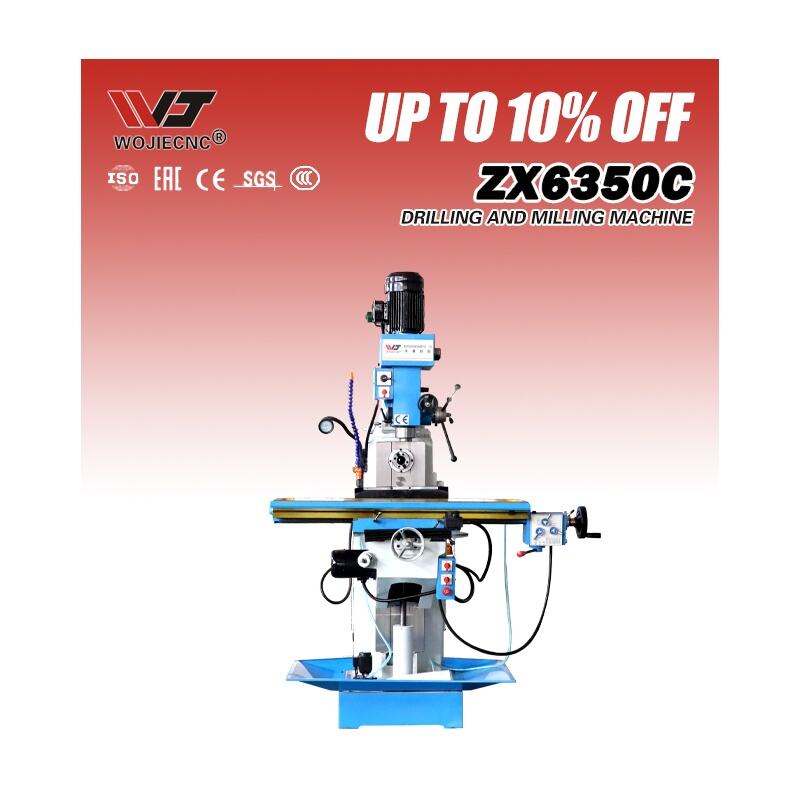
Manufacturing facilities across various industries constantly seek ways to optimize their production processes and enhance overall workflow efficiency. A properly configured milling machine serves as a cornerstone of modern manufacturing operations, offering precision, versatility, and speed that directly translate into improved productivity metrics. When strategically integrated into factory workflows, these sophisticated machines can dramatically reduce production bottlenecks, minimize manual intervention, and deliver consistent quality outputs that meet stringent industrial standards.
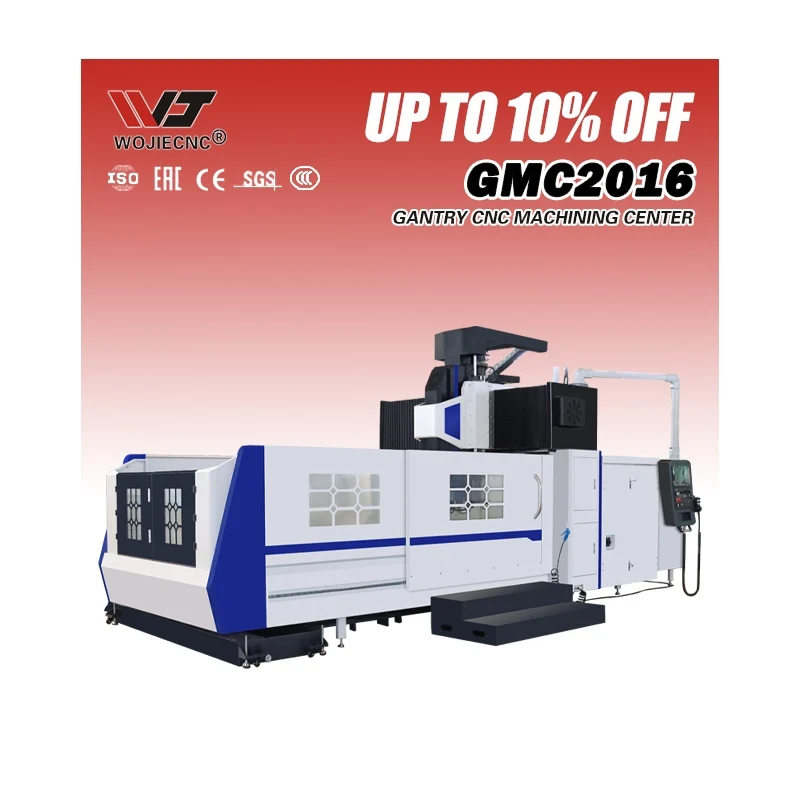
The implementation of advanced milling technology represents a significant investment in operational excellence, where every aspect of the manufacturing process benefits from enhanced precision and reduced cycle times. Factory managers recognize that workflow efficiency directly correlates with profitability, making the selection and optimization of milling equipment a critical strategic decision that impacts long-term competitiveness in today's demanding marketplace.
Core Principles of Milling Machine Integration
Strategic Equipment Placement and Workflow Design
Effective workflow efficiency begins with the strategic placement of milling machine equipment within the production floor layout. Manufacturing engineers must consider material flow patterns, operator accessibility, and maintenance requirements when positioning these critical assets. The optimal placement reduces transportation time between workstations, minimizes material handling complexity, and ensures smooth integration with existing production lines.
Modern factory layouts benefit from cellular manufacturing concepts where milling operations are grouped with complementary processes to create efficient production cells. This approach reduces work-in-progress inventory, shortens lead times, and enables faster response to customer demands. The milling machine becomes the focal point of these cells, driving the rhythm of production while maintaining consistent quality standards across all manufactured components.
Automation and Integration Technologies
Contemporary milling machine systems incorporate sophisticated automation technologies that eliminate manual bottlenecks and reduce human error potential. Computer numerical control systems enable precise repeatability, while automated tool changers minimize setup times between different machining operations. These technological advances allow operators to manage multiple machines simultaneously, significantly increasing overall production throughput.
Integration with enterprise resource planning systems provides real-time visibility into production status, enabling proactive scheduling adjustments and resource allocation optimization. The milling machine communicates directly with factory management systems, providing detailed performance metrics that support continuous improvement initiatives and predictive maintenance strategies.
Operational Efficiency Enhancement Strategies
Cycle Time Optimization Techniques
Reducing cycle times represents one of the most direct methods for improving workflow efficiency through milling machine optimization. Advanced programming techniques, including high-speed machining strategies and adaptive feed rate controls, enable faster material removal rates while maintaining surface finish quality. These approaches require careful consideration of cutting tool selection, workholding methods, and machine capabilities.
Tool path optimization software analyzes part geometry and material properties to generate efficient machining sequences that minimize non-productive time. The milling machine executes these optimized programs with precision, reducing overall manufacturing time while ensuring consistent part quality across production runs.
Quality Control Integration
Integrating quality control measures directly into milling machine operations eliminates downstream inspection bottlenecks and reduces the risk of producing non-conforming parts. In-process measurement systems provide immediate feedback on dimensional accuracy, enabling real-time adjustments that prevent quality deviations before they impact production flow.
Statistical process control capabilities built into modern milling machine controllers track key quality parameters continuously, alerting operators to potential issues before they result in scrap or rework. This proactive approach to quality management maintains workflow continuity while ensuring that all manufactured components meet specification requirements consistently.
Productivity Maximization Through Technology
Multi-Axis Machining Capabilities
Multi-axis milling machine configurations enable complex part geometries to be completed in single setups, dramatically reducing handling time and improving dimensional accuracy through reduced tolerance stack-up. Five-axis machining centers can access multiple part surfaces without repositioning, eliminating the need for multiple fixtures and reducing overall production time.
The ability to machine complex features in single operations reduces work-in-progress inventory and simplifies production scheduling. Operators can focus on loading and unloading parts while the milling machine executes sophisticated machining programs that would previously require multiple machines and setups to complete.
Predictive Maintenance Implementation
Predictive maintenance strategies maximize milling machine availability by identifying potential issues before they cause unplanned downtime. Condition monitoring systems track vibration patterns, spindle temperatures, and cutting force variations to detect early signs of component wear or misalignment.
Advanced analytics algorithms process machine data to predict optimal maintenance intervals, reducing both maintenance costs and production interruptions. This data-driven approach ensures that milling machine equipment operates at peak efficiency while minimizing the risk of catastrophic failures that could disrupt entire production lines.
Workforce Development and Training
Operator Skill Enhancement Programs
Maximizing milling machine efficiency requires skilled operators who understand both traditional machining principles and modern control technologies. Comprehensive training programs ensure that operators can effectively utilize advanced features while maintaining safety standards and quality requirements.
Cross-training initiatives enable operators to work with multiple milling machine types, providing flexibility in workforce deployment and reducing dependency on specific individuals. This approach improves overall workflow resilience while creating career advancement opportunities that enhance employee retention and engagement.
Continuous Improvement Culture
Establishing a culture of continuous improvement empowers operators and technicians to identify efficiency opportunities and implement solutions. Regular review sessions focused on milling machine performance metrics encourage collaborative problem-solving and knowledge sharing across shifts and departments.
Employee suggestion programs specifically targeting workflow efficiency improvements generate valuable insights from front-line workers who interact with milling machine equipment daily. These grassroots improvements often yield significant productivity gains while fostering a sense of ownership and engagement among manufacturing personnel.
Economic Impact and Return on Investment
Cost Reduction Analysis
Implementing efficient milling machine operations generates measurable cost reductions across multiple categories including labor, material waste, energy consumption, and quality-related expenses. Direct labor savings result from reduced cycle times and improved automation, while material waste reduction comes from better process control and first-pass quality achievements.
Energy efficiency improvements in modern milling machine designs reduce operational costs while supporting environmental sustainability initiatives. Variable frequency drives, efficient spindle motors, and optimized cutting strategies minimize power consumption without compromising machining performance or part quality.
Scalability and Future Growth
Modular milling machine configurations support factory expansion and production volume increases without requiring complete equipment replacement. Scalable automation systems can accommodate growing production demands while maintaining the efficiency gains achieved through initial implementations.
Investment in advanced milling machine technology positions manufacturing facilities for future growth opportunities while providing the flexibility to adapt to changing market demands. This strategic approach ensures that efficiency improvements continue to deliver value as production requirements evolve over time.
FAQ
What factors should be considered when selecting a milling machine for workflow efficiency
Key selection factors include production volume requirements, part complexity, material types, available floor space, and integration capabilities with existing systems. The milling machine should match current production needs while providing scalability for future growth. Consider spindle speed ranges, tool capacity, workpiece size limitations, and automation options that align with your workflow objectives.
How can factories measure the impact of milling machine efficiency improvements
Effective measurement requires tracking key performance indicators including overall equipment effectiveness, cycle time reduction, quality metrics, and cost per part. Establish baseline measurements before implementing changes, then monitor improvements in throughput, reduced setup times, and decreased scrap rates. Regular analysis of these metrics demonstrates the tangible benefits of milling machine optimization efforts.
What maintenance practices maximize milling machine uptime and efficiency
Preventive maintenance schedules should include regular lubrication, alignment checks, cutting tool inspections, and control system updates. Implement condition monitoring systems to track machine health parameters and predict maintenance needs. Train operators to perform routine inspections and minor adjustments to prevent small issues from becoming major problems that disrupt workflow efficiency.
How do modern milling machine control systems improve workflow integration
Contemporary control systems offer networking capabilities that enable real-time communication with factory management systems, providing production status updates and performance data. These systems support remote monitoring, program transfers, and automated reporting functions that streamline production planning and scheduling. Integration with enterprise software systems ensures that milling machine operations align with overall factory workflow requirements.
Table of Contents
- Core Principles of Milling Machine Integration
- Operational Efficiency Enhancement Strategies
- Productivity Maximization Through Technology
- Workforce Development and Training
- Economic Impact and Return on Investment
-
FAQ
- What factors should be considered when selecting a milling machine for workflow efficiency
- How can factories measure the impact of milling machine efficiency improvements
- What maintenance practices maximize milling machine uptime and efficiency
- How do modern milling machine control systems improve workflow integration

