
 EN
EN


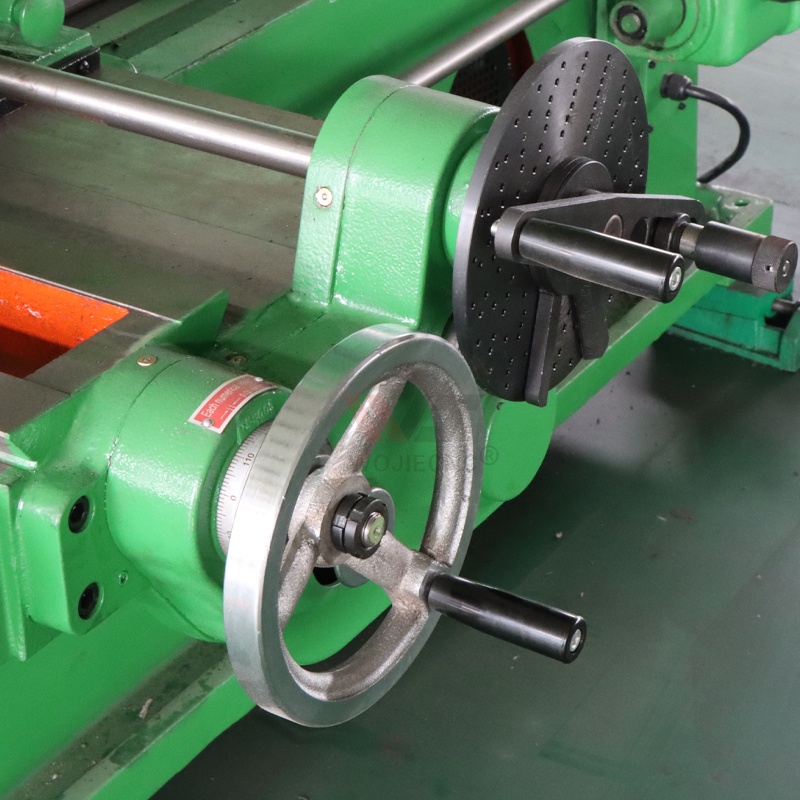
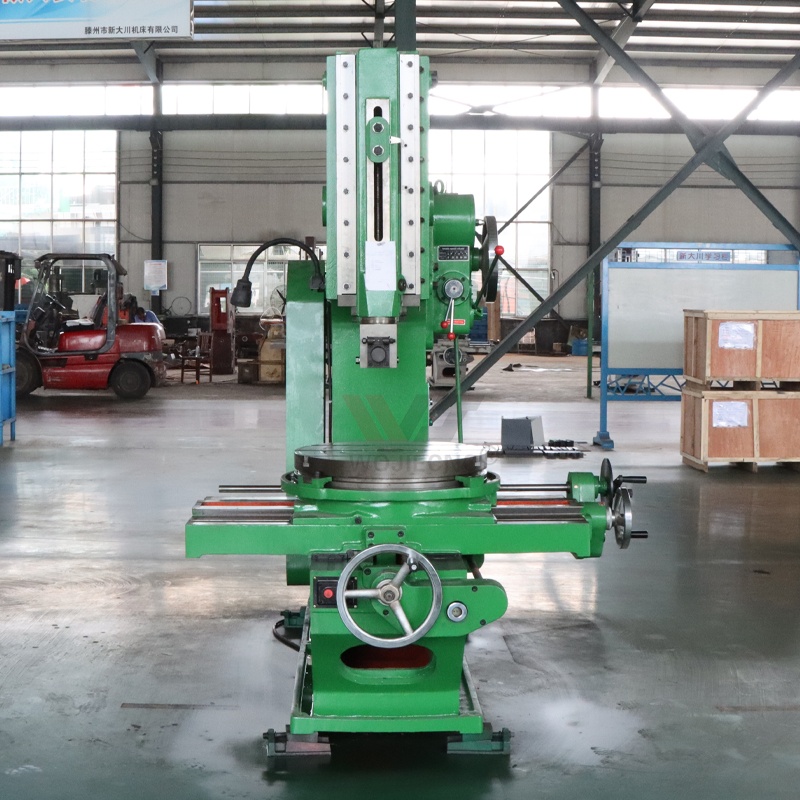
Modern manufacturing demands precision, speed, and reliability in every operation. For facilities specializing in gear and pulley machining, the choice of equipment directly impacts production capacity, part quality, and bottom-line profitability. A slotting machine represents a critical investment that can transform your manufacturing workflow, particularly when precision keyways, slots, and complex geometries define your product specifications. The question is not whether a slotting machine can improve productivity, but rather how significantly it will enhance your operations and competitive position in the market.
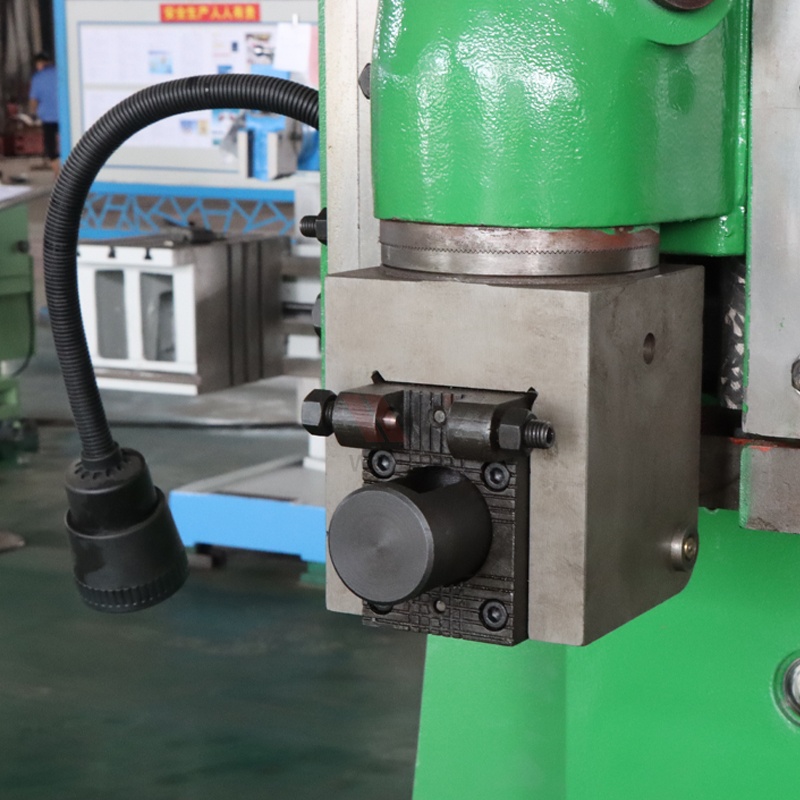
Gear and pulley manufacturers face constant pressure to reduce lead times while maintaining exacting tolerances. Traditional machining methods often require multiple setups, tool changes, and manual repositioning, consuming valuable production hours. A slotting machine eliminates these inefficiencies by offering dedicated, purpose-built functionality for creating slots, keyways, and complex recesses with repeatable accuracy. This specialized approach streamlines workflows and directly translates to shorter cycle times, reduced scrap rates, and improved throughput across your entire manufacturing operation.
Understanding Slotting Machine Capabilities in Gear and Pulley Production
Precision Slot and Keyway Generation
The primary function of a slotting machine is to cut precise slots and keyways into gear hubs, pulleys, and related components. Unlike general-purpose milling equipment, a slotting machine is engineered specifically for this task, offering superior control over depth, width, and positioning. For gear manufacturing, accurate keyways are essential to ensure proper hub-to-shaft engagement and torque transmission. A slotting machine delivers the dimensional consistency that gear assemblies demand, reducing the risk of premature wear, misalignment, or catastrophic failure in end-use applications.
Reduction of Secondary Operations
When a slotting machine handles slot generation efficiently, manufacturers eliminate the need for secondary finishing operations or manual touch-up work. Many traditional approaches require operators to verify dimensions, perform hand-finishing, or make adjustments between cycles. A slotting machine reduces these interventions significantly, allowing operators to focus on loading, unloading, and monitoring rather than performing time-consuming adjustments. For pulley manufacturers producing high volumes, this productivity gain compounds rapidly, translating into substantial labor cost savings and faster delivery schedules.
Productivity Gains Delivered by Slotting Machine Integration
Faster Cycle Times and Higher Throughput
The most immediate benefit of adopting a slotting machine is the dramatic reduction in cycle time per component. A well-configured slotting machine can complete slot generation in a fraction of the time required by alternative methods, particularly for complex multi-slot patterns or precision keyways. For gear shops processing hundreds or thousands of parts monthly, even modest per-unit time reductions yield significant output increases. Combining faster cycle times with lower scrap rates means that a slotting machine directly increases the number of saleable parts your facility can produce within existing operating hours.
Lower Scrap and Rework Rates
Manufacturing waste directly reduces profitability. A slotting machine minimizes scrap by delivering consistent, on-specification parts with minimal variation. Gears and pulleys produced using a slotting machine experience fewer dimensional errors, better surface finishes, and superior geometric accuracy compared to methods relying on multiple setups or manual intervention. This consistency means fewer parts require rework, inspection overages, or scrappage due to out-of-tolerance conditions. For pulley manufacturers managing tight margins, the reduction in material waste alone can justify the equipment investment within a reasonable payback period.
Operator Efficiency and Labor Cost Optimization
A slotting machine dramatically simplifies operator workload compared to traditional machining workflows. Operators spend less time on complex setup procedures, tool alignment, and manual adjustments. Instead, they focus on routine part loading, unloading, and basic monitoring tasks. This streamlined approach allows a single operator to manage multiple slotting machine cycles simultaneously, especially when automation or load-unload fixtures are integrated. For gear and pulley manufacturers, improved labor productivity often translates into the ability to maintain or increase output without proportional increases in headcount, directly strengthening operational margins.
Strategic Business Impact of Slotting Machine Adoption
Competitive Positioning and Market Responsiveness
Manufacturers who deploy a slotting machine gain a measurable speed advantage over competitors relying on slower, less specialized equipment. In markets where lead time is a key differentiator, the ability to promise shorter delivery schedules creates immediate competitive advantage. Pulley and gear customers increasingly demand faster turnaround without sacrificing quality or accepting premium pricing. A slotting machine enables gear shops to fulfill these demands, capturing market share from slower competitors and building customer loyalty through reliable, rapid fulfillment.
Quality Consistency and Customer Satisfaction
Consistent product quality strengthens customer relationships and reduces warranty claims, returns, and reputation damage. A slotting machine ensures that every gear and pulley leaving your facility meets identical dimensional and finish specifications. This consistency builds customer confidence, reduces the need for incoming inspection rigor, and positions your facility as a reliable partner rather than a variable-quality supplier. For high-performance applications where gears and pulleys operate under demanding conditions, the quality improvement delivered by a slotting machine can be the deciding factor in customer retention and repeat business.
Production Flexibility and Volume Scaling
A slotting machine provides manufacturers with the flexibility to respond to volume fluctuations and product mix changes without major capital investments or workflow redesign. Whether your facility faces seasonal demand spikes, new product introductions, or changing customer requirements, a slotting machine adapts efficiently. The reduced complexity of setup and changeover means you can transition between different pulley sizes, gear configurations, or slot specifications quickly. This flexibility allows your manufacturing operation to scale production up or down in response to market conditions while maintaining consistent quality and profitability.
FAQ
Does a slotting machine require specialized operator training?
While operators benefit from training on specific slotting machine models and setup procedures, the fundamental operation is straightforward and more intuitive than general-purpose CNC machining. Most operators become proficient within days or weeks. The reduced complexity compared to traditional methods means your existing workforce can typically adopt a slotting machine quickly, minimizing disruption to your operation. Many equipment suppliers provide comprehensive training and documentation to accelerate operator competency and ensure optimal machine utilization from day one.
What is the typical return on investment for a slotting machine in gear and pulley manufacturing?
The payback period for a slotting machine investment typically ranges from six months to two years, depending on production volume, current labor costs, scrap rates, and equipment pricing. Facilities producing high volumes of gears and pulleys with slot requirements experience faster payback due to the cumulative benefit of reduced cycle times, lower scrap, and improved labor efficiency. A detailed financial analysis comparing your current production costs against projected performance with a slotting machine will clarify the business case for your specific operation. Most manufacturers find that the combination of faster throughput and quality improvement justifies the capital investment quickly.
Can a slotting machine handle complex or non-standard slot geometries?
Modern slotting machines offer substantial flexibility for creating various slot profiles, depths, and positions through adjustable tooling, programmable controls, and precision workholding. While extreme custom geometries may require specialized setup or tooling, a slotting machine accommodates most standard gear keyways, pulley slots, and related features easily. Manufacturers can discuss specific geometric requirements with equipment suppliers to confirm compatibility and identify any necessary tooling modifications. For gear shops with diverse product portfolios, the adaptability of a slotting machine provides the versatility needed to serve multiple customer requirements efficiently.

