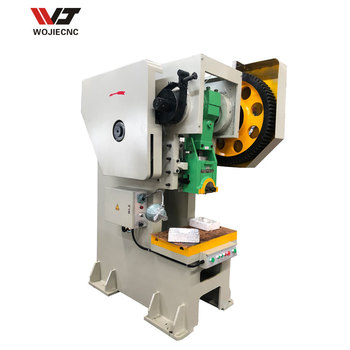
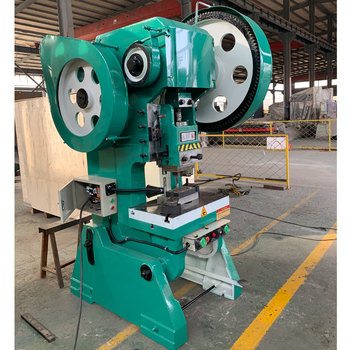
large punching machine
A large punching machine is a heavy-duty industrial press designed to cut, shape, and form metal sheets, plates, and structural components with high precision and force. These machines play a central role in manufacturing environments where consistency, speed, and material accuracy are non-negotiable. Whether handling mild steel, stainless steel, aluminum, or alloy materials, a large punching machine delivers clean, repeatable results across thousands of production cycles. The core function involves driving a hardened punch through a workpiece into a matching die, creating holes, slots, notches, or custom profiles with minimal burring. Modern units integrate CNC control systems, servo-driven mechanisms, and programmable stroke settings that allow operators to switch between tooling configurations quickly and safely. Tonnage capacities in large punching machine models typically range from 80 tons to over 500 tons, making them suitable for demanding applications across automotive, shipbuilding, heavy equipment, aerospace, and structural steel fabrication. Advanced sensors monitor press force, tool wear, and cycle completion in real time, reducing unplanned downtime and maintenance costs. Many systems also support automatic feeding and stacking, significantly increasing throughput without adding labor. The large punching machine is a foundational asset for any facility that requires high-volume, dimensionally accurate metal forming. Its combination of mechanical strength, digital control, and tooling flexibility makes it one of the most versatile and productive platforms in modern metalworking. Choosing the right large punching machine configuration directly impacts production efficiency, part quality, and long-term operating costs for manufacturers across industries.

 EN
EN