EN
EN




News
What makes a lathe machine essential for metal processing workshops?
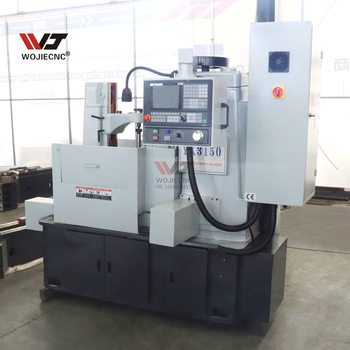
In the heart of every successful metal processing workshop stands a fundamental piece of equipment that has revolutionized manufacturing for centuries. The lathe machine represents the cornerstone of precision metalworking, enabling craftsmen and industrial manufacturers to transform raw materials into precisely engineered components. From creating simple cylindrical parts to complex automotive components, the lathe machine serves as an indispensable tool that bridges traditional craftsmanship with modern manufacturing demands. Understanding why this equipment remains essential helps workshop owners make informed decisions about their production capabilities and competitive positioning in today's manufacturing landscape.
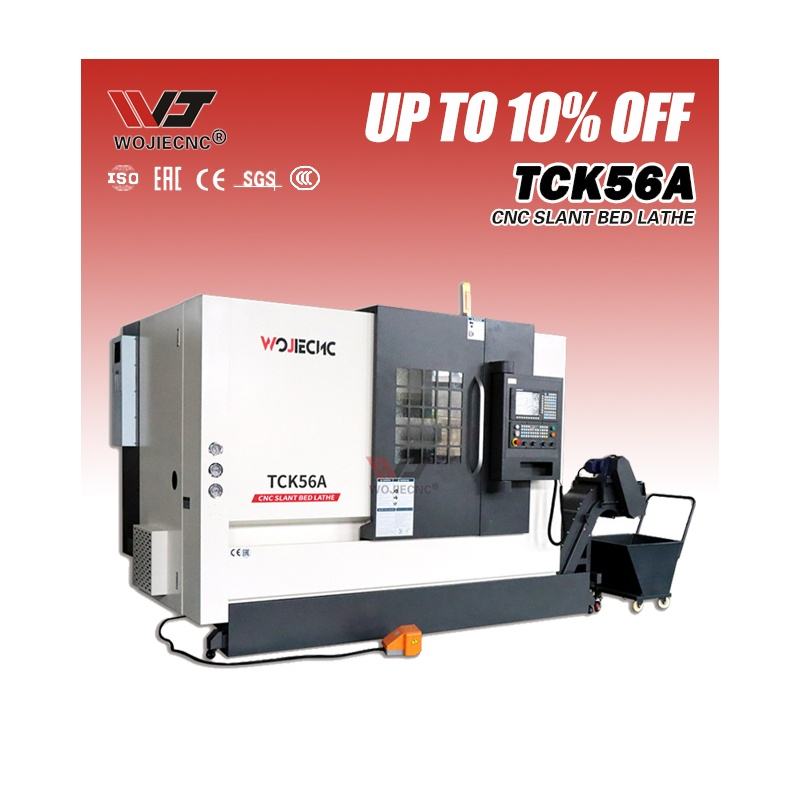
Fundamental Operations That Define Lathe Machine Versatility
Turning and Shaping Cylindrical Components
The primary function of a lathe machine involves rotating workpieces against cutting tools to achieve precise cylindrical shapes. This fundamental operation enables workshops to produce shafts, rods, pins, and countless other round components with exceptional accuracy. The lathe machine excels at creating both external and internal cylindrical surfaces, allowing manufacturers to hollow out materials for pipes, bushings, and sleeve applications. Modern workshops rely on this capability to meet tight tolerances required by aerospace, automotive, and precision engineering industries.
Advanced lathe machine operations extend beyond basic turning to include complex contouring and profiling. Skilled operators can create intricate shapes by carefully controlling tool movement and feed rates. The ability to produce tapered surfaces, curved profiles, and stepped geometries makes the lathe machine invaluable for custom manufacturing applications. These capabilities ensure workshops can accommodate diverse customer requirements while maintaining consistent quality standards across production runs.
Threading and Precision Fastener Production
Threading operations represent another critical capability that makes the lathe machine indispensable in metal processing workshops. Creating precise internal and external threads requires the synchronized movement of cutting tools with workpiece rotation. The lathe machine achieves this coordination through mechanical or electronic lead screw systems that ensure perfect pitch accuracy. Workshops depend on this functionality to produce custom bolts, screws, and threaded components that meet specific industry standards.
The precision achieved in threading operations directly impacts the quality and reliability of assembled products. A properly configured lathe machine can produce threads with tolerances measured in thousandths of inches, ensuring proper fit and function in critical applications. This level of precision becomes especially important in industries where component failure could result in safety hazards or significant financial losses.
Precision and Accuracy Standards in Modern Manufacturing
Tolerance Requirements Across Industries
Contemporary manufacturing demands increasingly tight tolerances that challenge traditional machining capabilities. The lathe machine addresses these requirements through rigid construction, precise spindle bearings, and advanced control systems. Workshops serving aerospace customers routinely achieve tolerances within ±0.0001 inches, while automotive applications typically require ±0.001 to ±0.005 inch accuracy. The lathe machine delivers these precision levels consistently across extended production runs.
Achieving consistent precision requires careful attention to machine maintenance, tooling selection, and environmental controls. Temperature variations, vibration, and wear patterns all influence the final accuracy of machined components. Successful workshops implement comprehensive quality control procedures that monitor dimensional accuracy throughout production cycles, ensuring every component meets specified requirements before leaving the facility.
Surface Finish Quality and Functional Performance
Surface finish quality directly affects component performance in applications involving sliding contact, sealing, or aesthetic requirements. The lathe machine produces surface finishes ranging from rough machining marks to mirror-like polished surfaces depending on tooling, speeds, and feeds selected. Workshops must understand the relationship between surface finish and functional requirements to optimize their lathe machine operations for specific applications.
Different industries establish varying surface finish standards based on component function and operating environment. Medical device components often require extremely smooth surfaces to prevent bacterial growth, while heavy machinery parts may prioritize durability over appearance. The versatility of the lathe machine allows workshops to adjust their processes to meet these diverse requirements efficiently.
Economic Benefits and Production Efficiency
Cost-Effective Manufacturing Solutions
The economic advantages of incorporating a lathe machine into metal processing operations extend far beyond initial equipment costs. Workshops benefit from reduced material waste through precise cutting operations that maximize material utilization. The ability to machine components to near-net shape minimizes secondary operations and associated labor costs. Additionally, the lathe machine enables workshops to produce components internally rather than outsourcing to specialized vendors, improving profit margins and delivery control.
Long-term economic benefits include the flexibility to accept diverse machining projects without significant setup changes. A well-equipped workshop with a capable lathe machine can quickly adapt to new customer requirements or market opportunities. This adaptability becomes increasingly valuable in today's rapidly changing manufacturing environment where customer demands shift frequently and competition intensifies continuously.
Production Scalability and Workflow Integration
Modern lathe machine technology supports both small-batch custom production and high-volume manufacturing requirements. Computer numerical control systems enable workshops to program complex operations once and repeat them consistently across multiple production runs. This capability allows small workshops to compete with larger manufacturers on precision and quality while maintaining competitive pricing structures.
Integration with other workshop equipment creates efficient production workflows that minimize handling time and reduce work-in-process inventory. The lathe machine often serves as a central component in cellular manufacturing arrangements where multiple operations occur in sequence. This integration approach maximizes equipment utilization while reducing overall production lead times.
Technology Evolution and Modern Capabilities
Computer Numerical Control Integration
The evolution from manual to computer-controlled lathe machine operation has transformed workshop capabilities dramatically. Modern CNC lathe systems offer programmable tool paths, automatic tool changes, and real-time process monitoring that eliminate much of the variability associated with manual operations. Workshops can now achieve consistent results regardless of operator skill level while significantly reducing setup times and improving overall productivity.
Advanced CNC lathe machine features include automatic workpiece measurement, tool wear compensation, and adaptive control systems that adjust cutting parameters based on real-time feedback. These capabilities enable workshops to maintain tight tolerances throughout extended production runs while minimizing scrap rates and tool consumption costs.
Multi-Axis Machining and Complex Geometries
Contemporary lathe machine designs incorporate multiple axes of motion that enable complex machining operations previously requiring multiple setups or specialized equipment. Turn-mill capabilities allow workshops to perform both turning and milling operations in single setups, reducing handling time and improving accuracy through reduced setup errors. This versatility expands the range of components that workshops can produce efficiently.
The ability to machine complex geometries in single setups provides significant advantages in terms of accuracy and productivity. Eliminating multiple setups reduces cumulative tolerance buildup while decreasing overall production time. Workshops benefit from improved competitiveness and the ability to accept more challenging projects that differentiate them from competitors with conventional equipment.
Material Compatibility and Application Range
Ferrous and Non-Ferrous Metal Processing
The versatility of the lathe machine extends across virtually all machinable metals, from common carbon steels to exotic superalloys used in aerospace applications. Each material category presents unique challenges in terms of cutting speeds, tool selection, and coolant requirements. Successful workshops develop expertise in optimizing lathe machine parameters for different materials to maximize productivity while maintaining quality standards.
Processing different materials requires understanding their specific characteristics and how they respond to various cutting conditions. Aluminum alloys machine at high speeds with sharp tools, while hardened steels demand slower speeds and robust tooling. The lathe machine accommodates these varying requirements through adjustable spindle speeds, programmable feed rates, and flexible tooling systems.
Specialty Alloys and Advanced Materials
Modern manufacturing increasingly involves advanced materials that challenge conventional machining approaches. Titanium alloys, Inconel, and other specialty materials require specific techniques to achieve acceptable tool life and surface quality. The lathe machine provides the rigid platform and precise control necessary to machine these difficult materials successfully when properly configured and operated.
Processing advanced materials often requires specialized tooling, cutting fluids, and operating procedures that differ significantly from conventional steel machining. Workshops investing in the knowledge and equipment necessary to machine specialty materials can access high-value market segments that command premium pricing for their expertise and capabilities.
Workshop Layout and Space Efficiency
Footprint Optimization and Workflow Design
Effective workshop design considers the central role that the lathe machine plays in overall production flow. Positioning this equipment to minimize material handling while maximizing accessibility for maintenance and setup activities improves overall efficiency. The compact footprint of modern lathe designs enables workshops to maximize productive floor space while maintaining safe working conditions.
Strategic placement of the lathe machine within the workshop layout facilitates efficient material flow from raw stock storage through finished goods inspection. Consideration of chip removal systems, coolant circulation, and electrical requirements during planning phases prevents costly modifications later. Proper planning ensures optimal utilization of both equipment and facility resources.
Safety Considerations and Operational Environment
Operating a lathe machine safely requires careful attention to environmental factors including lighting, ventilation, and floor conditions. Adequate lighting ensures operators can monitor cutting operations and detect potential problems before they result in damaged parts or equipment. Proper ventilation systems remove cutting fluid mist and metal particles that could create health hazards or equipment problems.
Safety protocols specific to lathe machine operation include proper workpiece clamping procedures, rotating machinery precautions, and emergency stop procedures. Training operators in safe practices protects both personnel and equipment while minimizing liability exposures that could threaten business continuity. Comprehensive safety programs demonstrate professional responsibility and often reduce insurance costs.
FAQ
What types of materials can be processed on a lathe machine
A lathe machine can process virtually all machinable metals including carbon steel, stainless steel, aluminum, brass, bronze, titanium, and specialty alloys. The key factors determining machinability include material hardness, thermal conductivity, and chemical composition. Softer materials like aluminum and brass machine easily at high speeds, while harder materials like hardened steel or Inconel require slower speeds and specialized tooling. Proper tool selection, cutting parameters, and coolant application enable successful processing of most engineering materials commonly used in manufacturing applications.
How does a CNC lathe differ from a manual lathe in terms of capabilities
CNC lathe machines offer programmable operation that eliminates much of the variability associated with manual operation while enabling complex operations that would be difficult or impossible to perform manually. Key advantages include consistent repeatability, automatic tool changes, complex contouring capabilities, and unattended operation for extended periods. CNC systems also provide real-time monitoring, automatic compensation for tool wear, and the ability to machine multiple features in single setups. While manual lathes require skilled operators for complex work, CNC systems can produce consistent results with operators having basic programming knowledge.
What maintenance requirements are essential for optimal lathe machine performance
Essential maintenance includes regular lubrication of spindle bearings, lead screws, and slide ways according to manufacturer specifications. Daily maintenance involves checking coolant levels, cleaning chip buildup, and inspecting tooling for wear or damage. Weekly tasks include checking belt tension, verifying accuracy with test cuts, and cleaning filtration systems. Monthly maintenance covers detailed inspection of wear components, calibration verification, and replacement of consumable items like filters and seals. Preventive maintenance programs significantly extend equipment life while minimizing unexpected downtime that disrupts production schedules.
What factors determine the appropriate size and capacity for a workshop lathe machine
Lathe machine selection depends primarily on the maximum workpiece dimensions, weight capacity, and accuracy requirements of typical projects. Swing over bed determines maximum workpiece diameter, while distance between centers limits maximum length. Spindle power must match material removal requirements for efficient cutting. Consider future growth when sizing equipment, as upgrading later involves significant costs and disruption. Other factors include available floor space, electrical power requirements, foundation specifications, and budget constraints. Consulting with experienced machine tool dealers helps ensure proper sizing for current needs while allowing reasonable expansion capability.