
 EN
EN



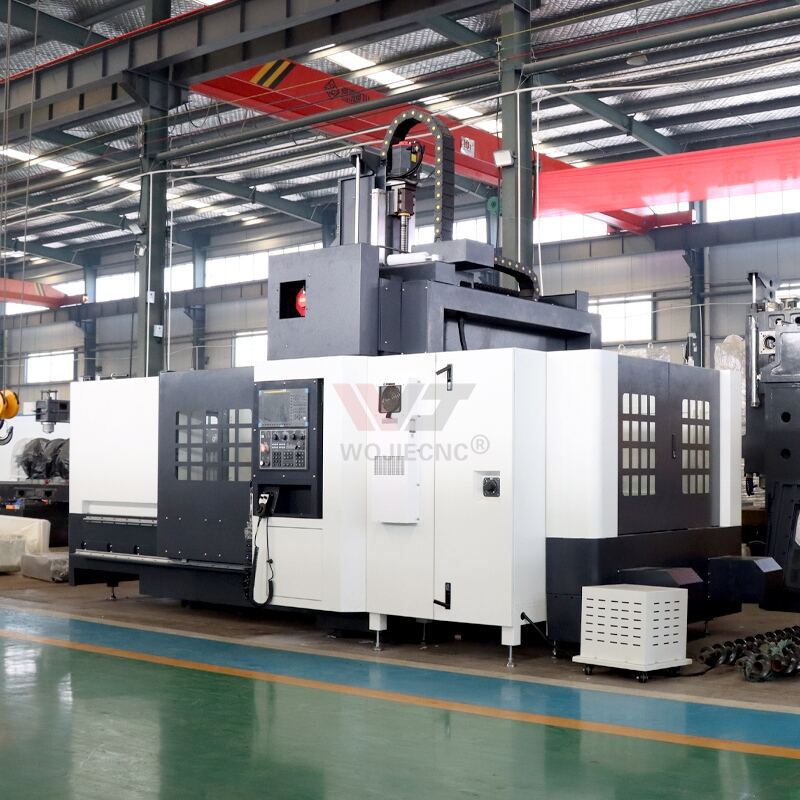
Manufacturing operations requiring precision metal turning demand careful consideration when selecting the appropriate lathe machine for heavy-duty applications. Industrial facilities must evaluate multiple technical specifications, operational requirements, and long-term production goals to ensure optimal equipment selection. The decision process involves analyzing workpiece dimensions, material properties, production volumes, and accuracy requirements that directly impact manufacturing efficiency and product quality.
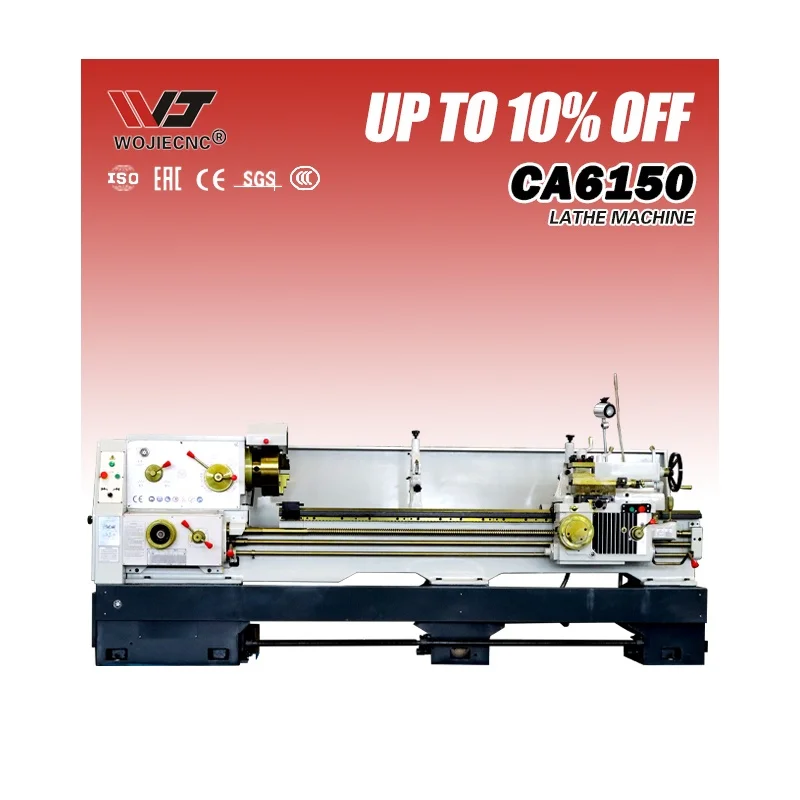
Understanding Heavy-Duty Turning Requirements
Workpiece Size and Weight Considerations
Heavy-duty turning operations typically involve large workpieces that exceed standard machining parameters, requiring robust lathe machine construction and enhanced structural integrity. Manufacturers must assess the maximum diameter, length, and weight capacity needed for their specific applications. The swing over bed measurement determines the largest diameter workpiece that can be accommodated, while the distance between centers defines maximum length capabilities. These dimensional constraints directly influence the type of lathe machine suitable for heavy-duty operations.
Weight capacity considerations extend beyond the workpiece itself to include fixtures, tooling, and dynamic forces generated during machining operations. A properly sized lathe machine must maintain structural stability under these combined loads while preserving dimensional accuracy throughout the cutting process. Manufacturing facilities processing aerospace components, marine equipment, or industrial machinery components often require machines capable of handling workpieces weighing several tons with millimeter-level precision.
Material Properties and Machining Challenges
Different materials present unique challenges that influence lathe machine selection, particularly when dealing with exotic alloys, hardened steels, or non-ferrous metals in heavy-duty applications. High-strength materials generate increased cutting forces, requiring enhanced spindle power, rigid construction, and superior vibration damping characteristics. The lathe machine must possess sufficient torque delivery across various speed ranges to maintain consistent cutting conditions regardless of material hardness or workpiece diameter variations.
Heat generation during heavy cutting operations necessitates adequate cooling systems and thermal stability features within the lathe machine design. Advanced materials often require specific cutting parameters and tool geometries that demand precise speed and feed control capabilities. Manufacturers working with titanium alloys, Inconel, or other superalloys must ensure their selected lathe machine can maintain stable cutting conditions while managing thermal distortion and tool wear effectively.
Critical Technical Specifications
Spindle Power and Torque Characteristics
The spindle system represents the heart of any lathe machine, with power and torque specifications directly impacting heavy-duty turning capabilities. Adequate spindle power ensures consistent cutting performance across varying load conditions, while high torque availability at low speeds enables effective roughing operations on large workpieces. Modern heavy-duty lathe machines typically feature AC servo motors with variable frequency drives providing optimal power delivery throughout the entire speed range.
Spindle bore diameter affects the maximum bar stock size that can be processed, influencing operational flexibility for different workpiece configurations. Larger spindle bores accommodate bigger raw materials but may compromise rigidity, requiring careful balance between capacity and performance. The spindle bearing system must provide exceptional accuracy and longevity under heavy cutting loads, with many industrial lathe machines incorporating precision roller or hydrostatic bearings for enhanced performance.
Structural Design and Vibration Control
Heavy-duty turning operations generate significant dynamic forces that can compromise dimensional accuracy and surface finish quality without proper structural design considerations. The lathe machine bed must provide exceptional rigidity through optimized rib patterns, high-grade cast iron construction, or welded steel fabrication techniques. Vibration damping characteristics directly influence achievable tolerances and tool life, making structural analysis a critical selection criterion.
Machine foundation requirements vary significantly based on the lathe machine size, operating speeds, and installation environment. Proper foundation design minimizes external vibration transmission while providing stable support for precision operations. Advanced lathe machines may incorporate active vibration control systems or specialized mounting techniques to enhance performance in challenging industrial environments.
Production Volume and Efficiency Factors
Automation and Control System Integration
Modern manufacturing environments increasingly demand automated solutions that maximize productivity while maintaining consistent quality standards. CNC lathe machine systems offer programmable control over cutting parameters, tool changes, and workpiece handling, enabling lights-out production capabilities for high-volume operations. The control system sophistication level should align with production requirements, operator skill levels, and integration needs within existing manufacturing systems.
Advanced lathe machine control systems provide real-time monitoring capabilities, predictive maintenance features, and quality assurance functions that optimize overall equipment effectiveness. Integration with enterprise resource planning systems enables automated production scheduling, inventory management, and performance tracking across multiple machines. Manufacturers must evaluate the total cost of ownership, including software licensing, training requirements, and ongoing support needs when selecting automated lathe machine solutions.
Tooling System Compatibility and Flexibility
Heavy-duty turning operations require robust tooling systems capable of withstanding high cutting forces while maintaining precision and repeatability. The lathe machine tooling interface must accommodate various cutting tool geometries, sizes, and mounting configurations needed for diverse machining operations. Quick-change tooling systems reduce setup times and improve operational flexibility, particularly important for job shop environments processing varied workpiece types.
Tool life optimization becomes critical in heavy-duty applications where cutting tool costs represent a significant portion of operational expenses. The lathe machine must provide stable cutting conditions, adequate coolant delivery, and precise tool positioning to maximize tool performance. Advanced machines may incorporate tool wear monitoring systems, automatic tool changers, or tool setting capabilities that further enhance productivity and reduce manual intervention requirements.
Economic Considerations and Return on Investment
Initial Capital Investment Analysis
Heavy-duty lathe machine acquisitions represent substantial capital investments that require thorough financial analysis and justification. Purchase price considerations must include not only the base machine cost but also installation expenses, tooling requirements, training costs, and facility modifications needed to accommodate the equipment. Manufacturers should evaluate multiple financing options, including purchase, lease, or rental arrangements based on their specific financial situation and operational needs.
The total cost of ownership extends well beyond initial purchase price to encompass maintenance costs, energy consumption, replacement parts availability, and potential productivity improvements. High-quality lathe machine systems may command premium pricing but often deliver superior reliability, accuracy, and longevity that justify the additional investment through reduced operational costs and enhanced product quality.
Long-term Operational Benefits
Selecting the appropriate lathe machine for heavy-duty applications can yield significant operational benefits including improved productivity, enhanced product quality, and reduced manufacturing costs. Modern machines often provide faster cycle times, better surface finishes, and tighter tolerances compared to older equipment, enabling manufacturers to compete more effectively in demanding market segments. These performance improvements translate directly into increased profitability and customer satisfaction.
Technological advancements in lathe machine design continue to deliver operational advantages through improved energy efficiency, reduced maintenance requirements, and enhanced automation capabilities. Manufacturers investing in advanced equipment position themselves for future growth while maintaining competitive advantages in precision manufacturing markets. The selection process should consider not only current needs but also anticipated future requirements and technological evolution within the industry.
Installation and Implementation Considerations
Facility Requirements and Infrastructure
Heavy-duty lathe machine installations require careful facility planning to ensure optimal performance and safe operation. Floor loading calculations must account for machine weight, dynamic forces, and workpiece handling requirements to prevent structural damage or operational problems. Adequate floor space allocation includes not only the machine footprint but also material handling areas, maintenance access zones, and safety clearances required by applicable regulations.
Electrical power requirements for heavy-duty lathe machines often exceed standard industrial supply capabilities, necessitating electrical system upgrades or modifications. Three-phase power systems with adequate amperage capacity, proper grounding, and voltage regulation ensure reliable machine operation and prevent electrical problems. Additional considerations include compressed air supply, coolant systems, chip removal equipment, and environmental controls needed for precision machining operations.
Training and Support Requirements
Successful lathe machine implementation requires comprehensive operator training programs that address both basic machine operation and advanced programming techniques. Training investments directly impact productivity, product quality, and equipment longevity through proper operating procedures and maintenance practices. Manufacturers should evaluate training program availability, duration, and ongoing support options when selecting equipment suppliers.
Technical support availability becomes critical during initial installation, commissioning, and ongoing operations phases. Responsive service support minimizes downtime costs while ensuring optimal machine performance throughout its operational life. Service network coverage, parts availability, and remote diagnostic capabilities represent important selection criteria that influence total cost of ownership and operational reliability.
FAQ
What are the key differences between manual and CNC lathe machines for heavy-duty applications
Manual lathe machines offer lower initial costs and greater operator control over cutting parameters, making them suitable for prototype work, repair operations, or low-volume production. However, CNC lathe machines provide superior consistency, faster cycle times, and reduced labor costs for high-volume production. Heavy-duty CNC systems also offer advanced features like automatic tool changers, part catchers, and real-time monitoring that enhance productivity and quality control capabilities.
How do I determine the appropriate spindle power requirements for my heavy-duty turning applications
Spindle power requirements depend on material properties, cutting parameters, and workpiece dimensions. Calculate power needs based on metal removal rates, cutting forces, and desired productivity levels. For heavy-duty applications, consider peak power demands during roughing operations and ensure adequate torque availability at low speeds. Consult with machine manufacturers or cutting tool specialists to optimize power specifications for your specific applications and materials.
What maintenance considerations are important for heavy-duty lathe machine operations
Heavy-duty lathe machine maintenance requires regular lubrication system monitoring, spindle bearing inspection, and way surface care to ensure optimal performance. Establish preventive maintenance schedules based on operating hours and cutting conditions rather than calendar intervals. Monitor cutting tool wear, coolant condition, and chip removal systems to prevent premature machine wear. Invest in proper maintenance training and diagnostic equipment to identify potential problems before they cause significant downtime or damage.
How important is the machine tool supplier's service network and support capabilities
Service network quality significantly impacts total cost of ownership and operational reliability for heavy-duty lathe machines. Evaluate supplier locations, response times, technician expertise, and parts availability when making selection decisions. Strong service support minimizes downtime costs, ensures proper machine performance, and provides ongoing technical assistance for optimization and troubleshooting. Consider suppliers with local service capabilities, remote diagnostic tools, and comprehensive training programs to maximize your investment value.
Table of Contents
- Understanding Heavy-Duty Turning Requirements
- Critical Technical Specifications
- Production Volume and Efficiency Factors
- Economic Considerations and Return on Investment
- Installation and Implementation Considerations
-
FAQ
- What are the key differences between manual and CNC lathe machines for heavy-duty applications
- How do I determine the appropriate spindle power requirements for my heavy-duty turning applications
- What maintenance considerations are important for heavy-duty lathe machine operations
- How important is the machine tool supplier's service network and support capabilities

