
 EN


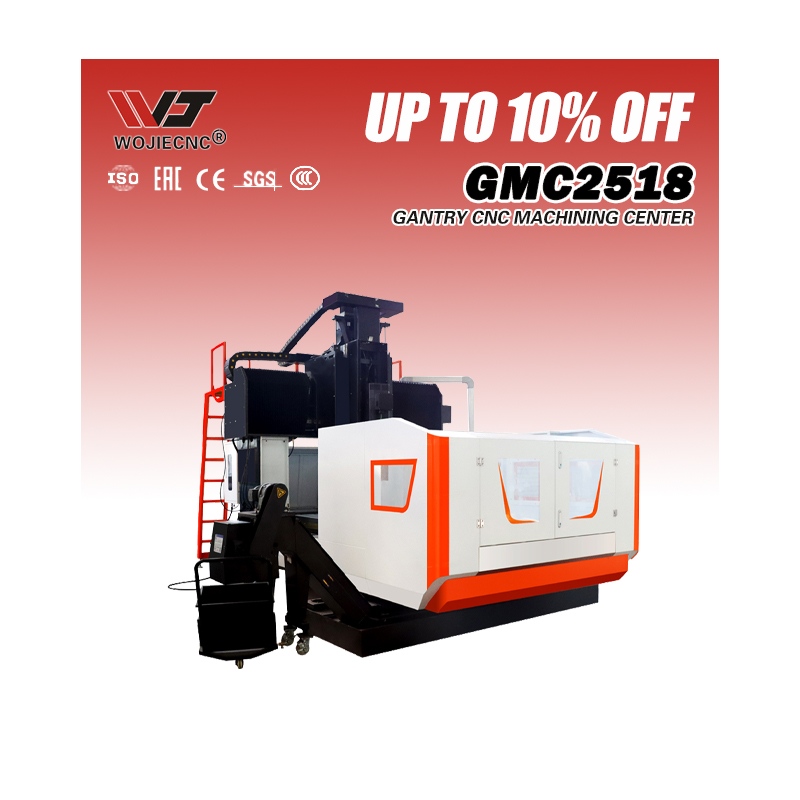
A cnc gantry machining center represents a critical investment for manufacturers handling large workpieces and demanding cutting applications. The ability to maintain rigidity during high-load cutting operations directly determines the quality of finished parts, tool lifespan, and overall production efficiency. Unlike smaller machine tools, a cnc gantry machining center must balance structural mass with precision motion control, making rigidity engineering a central design priority that separates capable machines from exceptional ones.
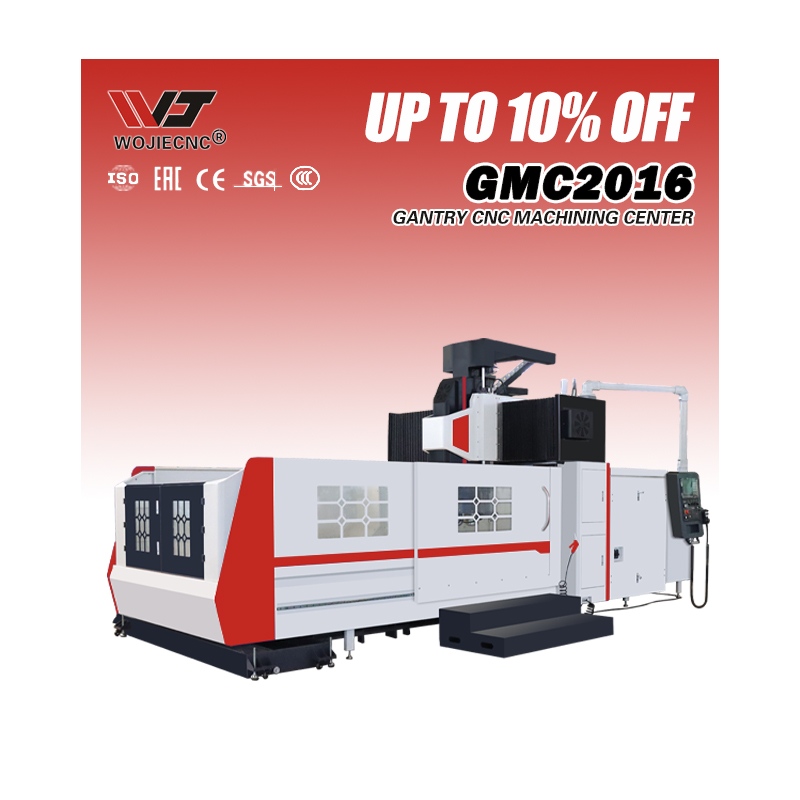
Rigidity in a cnc gantry machining center is not a single feature but rather the result of integrated structural design, material selection, and engineering principles applied across every component. High-load cutting generates significant cutting forces that push the spindle, tool, and workpiece toward deflection. A cnc gantry machining center with insufficient rigidity allows unwanted movement, resulting in dimensional inaccuracy, poor surface finish, chatter marks, premature tool wear, and potentially dangerous tool breakage. Understanding how a cnc gantry machining center achieves rigidity helps operators and manufacturers make informed decisions about machine selection and operation.
Foundation and Frame Design for Structural Stability
The foundation of any cnc gantry machining center is its cast iron or steel frame structure, which must absorb and distribute cutting forces evenly. A cnc gantry machining center typically features a box-section or lattice-reinforced frame that increases stiffness without excessive weight. The gantry bridge spans across the work table, with the spindle head mounted on a crossbeam that travels along vertical rails. This configuration concentrates structural support where cutting forces occur, allowing a cnc gantry machining center to handle loads that would deflect smaller portal machines.
Material Selection and Cross-Section Design
Cast iron remains the dominant material for cnc gantry machining center frames because it provides excellent rigidity-to-weight ratios and natural damping properties that absorb vibration. High-grade ductile iron or modular iron used in premium cnc gantry machining center designs offers superior tensile strength and fatigue resistance. The cross-sectional geometry of the gantry bridge and vertical uprights determines rigidity more than total mass alone. A cnc gantry machining center with optimized rib patterns and wall thickness distributions can achieve greater stiffness than a heavier machine with poor geometry, reducing deflection under identical cutting forces.
Modern cnc gantry machining center designers employ finite element analysis to identify stress concentration points and reinforce critical zones. Steel reinforcement plates welded inside cast iron frames further improve overall stiffness. A cnc gantry machining center with this integrated reinforcement approach demonstrates superior rigidity performance during sustained high-load cutting, particularly in the spindle head and bridge beam areas where concentrated forces develop.
Vibration Damping Mechanisms
Vibration and chatter are enemies of precision in any cnc gantry machining center, especially during aggressive cutting. A cnc gantry machining center must incorporate vibration damping through multiple mechanisms, including rubber isolation pads under the base that decouple machine vibrations from the factory floor. Internal damping occurs naturally in cast iron, but cnc gantry machining center manufacturers often add elastomeric bushings at rail supports and epoxy resin coatings inside hollow sections to increase energy absorption.
Proper leveling and installation of a cnc gantry machining center on a stable concrete foundation is equally important. Even the most rigid cnc gantry machining center loses rigidity if mounted on an unstable or uneven floor. Manufacturers recommend precision leveling during installation and periodic vibration monitoring during operation to maintain the structural integrity that defines a high-quality cnc gantry machining center.
Linear Motion Systems and Spindle Assembly Integration
The rigidity of a cnc gantry machining center depends heavily on its linear motion systems, which guide the gantry bridge and spindle head along precise paths. High-precision ball screws with preload, sealed linear rails, and rigid bearing blocks minimize play and ensure that the spindle remains positioned exactly as commanded. A cnc gantry machining center using oversized linear rails and preloaded recirculating ball bearing blocks resists deflection far better than machines with undersized or inadequate guidance systems.
Preload and Bearing Block Selection
A cnc gantry machining center achieves rigidity through mechanical preload applied to linear motion components. Preload eliminates backlash and reduces compliance in the guidance system, ensuring that the spindle does not shift sideways under cutting forces. Premium cnc gantry machining center models use double-block or quad-block bearing arrangements on the Y-axis travel to distribute loads across multiple contact points. This design significantly increases stiffness compared to single-block guidance, allowing a cnc gantry machining center to maintain accuracy under demanding cutting loads that would otherwise cause noticeable deflection.
The spindle taper and tool holder interface also contribute to overall rigidity. A cnc gantry machining center with a rigid ISO 40 or 50 spindle taper and well-designed pull-stud mechanism ensures that the tool is held securely without play. Even small clearances in the spindle-to-tool interface translate to runout and loss of roundness, which degrades the rigidity advantage provided by the rest of the cnc gantry machining center structure.
Spindle Design and Thermal Stability
A high-speed or high-torque spindle in a cnc gantry machining center must deliver cutting power while maintaining concentricity and rigidity. Spindles with rigid tapered roller bearings preloaded to optimal tensions ensure minimal radial deflection. A cnc gantry machining center with oil-air spindle cooling maintains thermal stability, preventing thermal growth that would shift the tool centerline and reduce the machine's rigidity performance during extended cutting operations.
The spindle head housing mounted to the gantry bridge must rigidly connect the spindle to the main frame without deflection. A cnc gantry machining center with a fully enclosed, box-section spindle head housing resists the cantilever forces applied by the cutting tool better than open or lightly reinforced designs. This integration ensures that rigidity is maintained not just at the frame level but throughout the spindle assembly where cutting forces ultimately act.
Advanced Technologies and Monitoring Systems
Modern cnc gantry machining center designs incorporate advanced features that detect and compensate for rigidity loss during operation. Real-time cutting force monitoring systems allow a cnc gantry machining center to adjust spindle speed, feed rate, or depth of cut to prevent overload and maintain consistent performance. Some cnc gantry machining center models include active thermal compensation that adjusts axis positioning based on frame temperature to maintain dimensional stability across production runs.
Machine Health Monitoring and Predictive Maintenance
A cnc gantry machining center equipped with vibration sensors and spindle load monitoring provides early warning signs of rigidity degradation. Bearings beginning to wear or loose bolts will increase vibration signatures detected by sensors in the cnc gantry machining center frame. By identifying these issues before they affect part quality, manufacturers can schedule maintenance that restores the machine to peak rigidity performance. This proactive approach extends the productive lifespan of a cnc gantry machining center and prevents costly scrap from rigidity-related quality loss.
Hydraulic stabilizers and active damping systems available on premium cnc gantry machining center models further enhance rigidity by providing real-time force balancing during cutting. A cnc gantry machining center with these systems maintains more consistent cutting forces and surface finish, particularly in interrupted or variable-load cutting scenarios that would challenge machines with purely passive rigidity.
Software-Based Rigidity Optimization
The CNC control system governing a cnc gantry machining center plays an important role in preserving rigidity through smooth acceleration profiles, optimized feed rates, and rapid acceleration control. A cnc gantry machining center with adaptive control algorithms monitors actual cutting loads and automatically adjusts parameters to keep the machine operating within its rigidity envelope. This software-hardware integration ensures that a cnc gantry machining center delivers consistent quality even as tool wear gradually increases cutting forces throughout a production run.
FAQ
What causes rigidity loss in a cnc gantry machining center during operation?
Rigidity loss in a cnc gantry machining center typically results from wear in linear bearings and spindle bearings, thermal growth from spindle heat, loose foundation bolts, or accumulated wear in preloaded guidance systems. High cutting forces over extended production runs gradually reduce the stiffness of a cnc gantry machining center if maintenance is neglected. Thermal expansion and spindle runout also degrade the effective rigidity that a cnc gantry machining center can provide, requiring periodic recalibration and bearing adjustment to maintain peak performance.
How does spindle speed affect the rigidity of a cnc gantry machining center?
Spindle speed influences rigidity in a cnc gantry machining center through its effect on thermal growth and dynamic balance. Higher spindle speeds generate more heat, causing thermal expansion that shifts tool position and reduces the effective rigidity of a cnc gantry machining center. Additionally, spindle imbalance or runout becomes more pronounced at high speeds, visibly degrading surface finish. A cnc gantry machining center achieves optimal rigidity when operated at speeds and feeds that balance productivity with thermal stability and maintain spindle runout within specification limits.
What role does maintenance play in preserving cnc gantry machining center rigidity?
Regular maintenance is essential for preserving the rigidity that defines a cnc gantry machining center's performance capability. Lubricating linear rails, checking and adjusting bearing preload, inspecting foundation bolts, and verifying spindle runout are critical tasks that maintain the structural and mechanical rigidity of a cnc gantry machining center. Thermal compensation calibration and spindle cooling system service prevent thermal-induced rigidity loss. Manufacturers should follow the equipment manual schedule for a cnc gantry machining center to ensure that rigidity remains consistent and part quality stays within tolerance throughout the machine's operational life.

